Here's what nobody tells you about one-sided foreplay
Foreplay that skips your pleasure isn't foreplay. It's a warm-up that benefits one person, and if you're the one being skipped, that imbalance compounds over time. You start anticipating nothing. Your body learns not to invest. Your partner doesn't realize anything's wrong because they're satisfied, and you've learned to perform satisfaction on cue.
That's the trap, and lemon clitoral vibrators can help you break it. Not by replacing your partner, but by making your orgasm impossible to ignore.
Why one-sided foreplay happens (and it's not what you think)
Most people assume one-sided foreplay comes from selfishness. Sometimes it does. More often, it's invisible habit. Your partner learned a script in previous relationships and never questioned it. Or they orgasm quickly and assume foreplay's done. Or they don't realize their version of "foreplay" involves zero clitoral contact and all internal stimulation, which works for them but does almost nothing for you.
The other factor: many people with penises have never been taught that clitoral stimulation isn't optional or extra. It's baseline. Without it, most people with vulvas won't orgasm at all, regardless of how much time you spend on other activities.
So your partner isn't broken. The communication is broken.
The lemon vibrator as a communication tool
Introducing a lemon clitoral vibrator into foreplay changes the dynamic in a specific way. It makes your orgasm visible, audible, and quantifiable. Your partner can't pretend it didn't happen. They can't skip from foreplay directly to penetration if you're visibly using a tool designed for your pleasure.
That sounds mechanical, but it's actually strategic. You're not saying "you're failing me" with words (which often sparks defensiveness). You're saying it with action. "I want to come too" is a fact, not an accusation.
Lemom vibrators, especially air-suction models like the Lem, work particularly well here because the sensation is distinct from what a partner's body alone can provide. You're not replacing them. You're augmenting. And the sensation is intense enough that your partner can feel the vibration, hear the change in your breathing, and witness your orgasm directly.
How to introduce it without triggering defensiveness
Timing matters. Don't introduce a lemon vibrator mid-conflict about foreplay. That reads as accusatory. Instead, bring it up outside the bedroom, when you're both relaxed.
"I want us to explore something together. I've been thinking about bringing a toy into foreplay, specifically a clitoral vibrator. It'll make my orgasm more likely, which means we both win." That's the frame. Not "you're not doing enough," but "here's how we both get more pleasure."
Show them the toy. Let them hold it. Explain the mechanics without defensiveness in your own voice. Some partners get it immediately. Others need time. That's fine.
When you actually use it together, start with a slower pace or lower setting. Let them see how your body responds. If they can feel the vibration, offer to let them feel it on their own skin first. Demystify it.
The integration that actually works
Here's a concrete foreplay sequence that centers your pleasure while keeping your partner engaged:
Phase 1: Build together (10-15 minutes). You and your partner kiss, touch, transition into whatever you both enjoy. Penetrative sex, hands, whatever. This is the "warm-up" phase, but you're setting a boundary: clitoral stimulation is part of this phase, not an afterthought.
Phase 2: Bring in the lemon vibrator (5-10 minutes). Start using your clitoral vibrator at a low setting while your partner continues whatever they're doing. A lot of people pair a lemon vibrator with partnered penetration or hand stimulation elsewhere. The vibrator is additive, not replacements.
Phase 3: Build to your orgasm (this varies). Don't rush this. Your partner can use this time to focus on their own arousal, or to watch you, or to keep touching you elsewhere. The point is that your orgasm is the goal here, not a side effect.
Once you've come, you then transition to whatever structure serves both of you next. But crucially, your pleasure happened first. Your body got prioritized.
What to do if he resists
Some partners do resist. "I feel like you're choosing the toy over me," or "I thought I was enough," or the classic guilt trip: "Why do you need that if you have me?"
This is where firmness comes in. Not anger, but clarity.
"Most people with my anatomy need clitoral stimulation to orgasm. That's not about you or your skill. It's biology. A lemon clitoral vibrator helps me get there. If you want me to enjoy sex with you, this is part of that." You're not asking for permission. You're informing.
If they continue to resist after that conversation, that's a different problem. That's not about foreplay. That's about whether your partner actually wants you to experience pleasure, and that's worth exploring with a therapist or coach.
The confidence shift that happens after
Here's what most people don't anticipate: once you've had one orgasm that you orchestrated, your body remembers. You start believing it's possible again. You stop performing pleasure and start experiencing it. Your partner, watching you actually come, often realizes they were doing something wrong. Usually, they want to fix it.
The lemon vibrator doesn't just fix foreplay. It rewires who has permission to prioritize your orgasm. Spoiler alert: that's you. And once you take that permission, you rarely give it back.

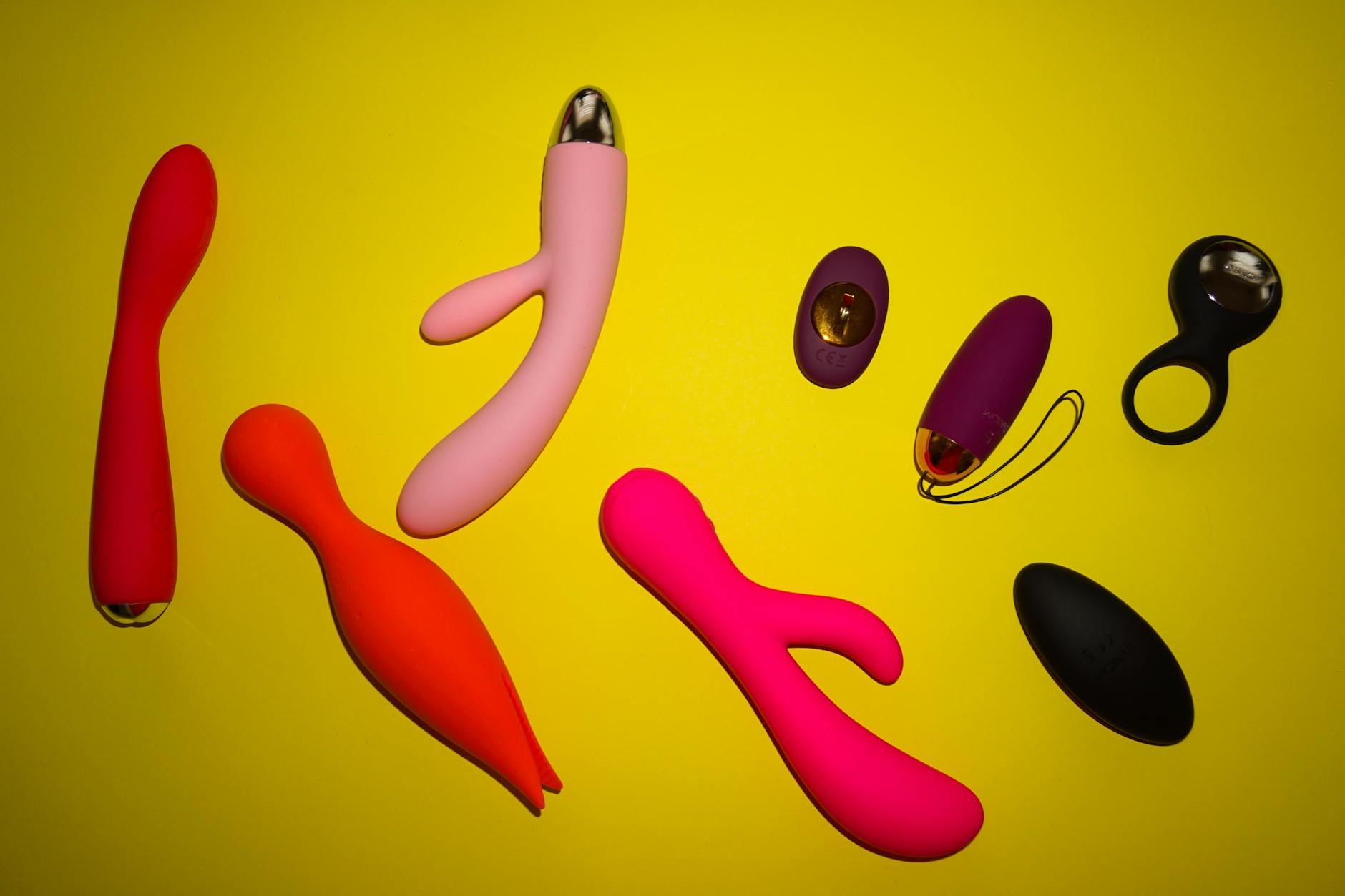
Photo by cottonbro studio on Pexels
Setting the boundary for next time
After you've successfully integrated a lemon vibrator into foreplay once, the boundary becomes easier to enforce. "Let's use the vibrator again" is now a normal ask. You're not introducing anything new. You're asking for consistency.
If your partner tries to skip it the next time, that's valuable information. It tells you whether the resistance was curiosity or control. Usually it's not control. It's just that they forgot, or they fell into the old script. Remind them gently. "I brought the vibrator. I want to use it tonight."
Over time, many couples find that the lemon vibrator becomes part of the expected sequence. Some partners even learn to use it on you, which is a completely different level of shared pleasure.
Why this works better than talking alone
I could tell you to have a long conversation about foreplay balance. And you should. But talking is abstract. Action is concrete. When you use a lemon clitoral vibrator, you're showing, not telling. Your partner doesn't have to imagine what you want. They can see it happening.
That embodied communication is powerful. It bypasses a lot of the defensiveness that words trigger. You're not criticizing. You're modeling.
FAQ
How do I know what setting to start on with a lemon vibrator?
Start low. Most air-suction lemon vibrators have at least three settings. Begin at the lowest and stay there until you're comfortable with the sensation. You can always turn it up. You can't un-feel an intensity that was too much.
What if my partner wants to use the lemon vibrator on me but doesn't know how?
Show them. Let them hold it, feel the vibration, and guide their hand. Some partners are tentative at first. Others find it empowering to bring you pleasure directly. Either way, communication in the moment is key. "A bit higher," "slower," "just stay there" are all fair asks.
Can I use a lemon vibrator if I have a partner with a low sex drive?
Absolutely. In fact, it might help. If your partner has lower libido, a lemon clitoral vibrator lets you prioritize your pleasure without requiring their constant participation. You can use it while they touch you elsewhere, or while you're together without penetration. The vibrator absorbs some of the pressure they might feel to "perform" at a certain pace.
Does using a lemon vibrator mean penetration comes off the table during foreplay?
No. Most people use lemon clitoral vibrators alongside penetration or other stimulation. Some people find that clitoral stimulation plus penetration is actually the most reliable path to orgasm. There's no rule here. What works is what works.
What if I'm worried about my partner feeling replaced by the toy?
That anxiety is real, but it's worth separating from reality. A lemon vibrator isn't a replacement for your partner. It's a tool. Would you feel replaced if your partner used their hand instead of asking you to do it? Probably not. Same logic applies. The vibrator is an extension of self-pleasure, not a rejection of intimacy.
How often should foreplay include a lemon vibrator?
As often as you want. There's no rule. Some people use one every time. Others use it occasionally. The goal is that it becomes an option you can access without negotiating each time. "I want to use the vibrator tonight" should be as simple as "let's try a different position."
The bigger picture
One-sided foreplay is a symptom, not the disease. The disease is a relationship dynamic where one person's pleasure matters more than the other's. A lemon clitoral vibrator is a tool for disrupting that dynamic. It's not the only tool. Communication, therapy, and honest conversation about intimacy matter more.
But sometimes, action speaks louder than words. Sometimes showing your partner what your orgasm looks like is the most direct way to say "my pleasure is non-negotiable." A lemon vibrator gives you that power. Use it.
If the imbalance persists even after you've introduced toys and had clear conversations, that's worth exploring with a professional. Not because the vibrator failed, but because the relationship dynamic might need deeper work. That's what I'm here for. Let's talk about what you actually need.