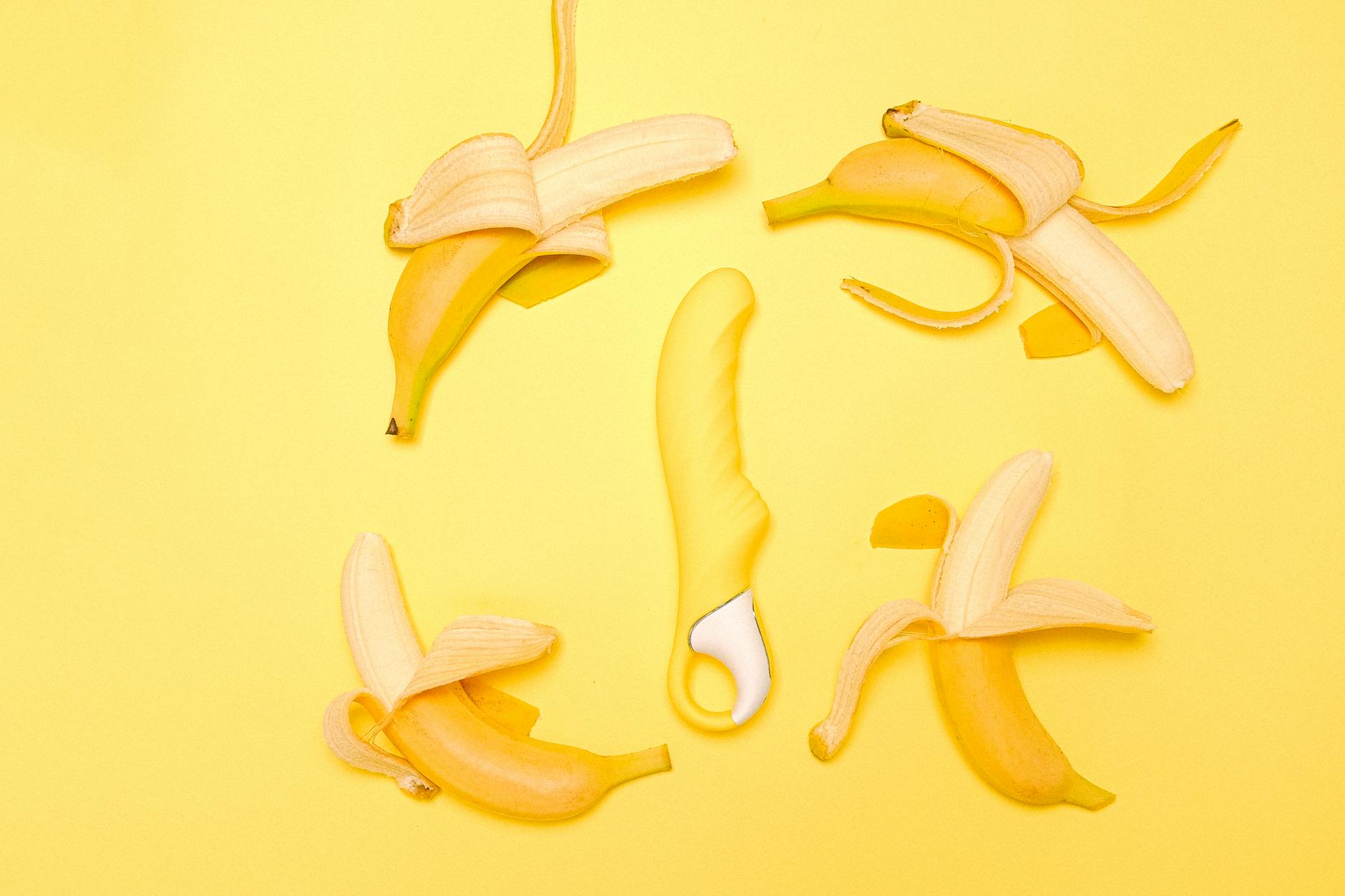
How to Use Lemon Clitoral Vibrators When Touch Feels Too Intense
When direct contact causes discomfort, a lemon vibrator becomes your precision tool. Here's the exact setup that works when sensitivity is the real barrier to pleasure.
Touching your clitoris directly doesn't always feel good. Sometimes it feels sharp, electric, or like someone's scraping a nerve. That's not broken. That's not uncommon. But most advice on using a clitoral vibrator assumes you can handle direct contact, and if you can't, well, there's not much guidance left.
I work with plenty of people who find even a partner's finger too intense on the clitoris, but a lemon vibrator changes the equation entirely. The key is understanding how to use one when sensation feels overwhelming rather than pleasurable.
Clitoral oversensitivity comes from a few different places, and the fix depends on which one you're dealing with.
Sometimes it's nerve-level sensitivity. The clitoris has roughly 8,000 nerve endings packed into a tiny space. When blood flow increases or hormones fluctuate, those nerves fire more easily. Direct pressure can feel like white-noise static instead of a signal your brain enjoys. Other times, it's muscle tension. A tight pelvic floor can make the whole area feel raw and reactive. You touch down once and everything clenches harder, which makes the next touch feel even sharper. That's a feedback loop.
Then there's skin irritation, hormonal shifts, or lingering numbness from previous sessions. Or you're touching an area that's genuinely inflamed and needs time. The sensation isn't the problem. Your nervous system is protecting you.
Let's talk logistics. A lemon clitoral vibrator like the one Lem Sucker makes works for sensitive tissue because you control two variables most fingers can't: distance and pattern.
Start with the lowest intensity setting. Most clitoral vibrators have 3-5 patterns, but the power level matters more than the pattern. You want something that hums rather than pulses when you're in this territory. Find the absolute gentlest mode first.
Now, the positioning hack: don't place the tip directly on your clitoris. Place it on the mons pubis, the soft fatty area above the clitoris. Or hover it just above the clitoral hood rather than pushing the hood back to expose the glans. This gives you indirect stimulation, which diffuses sensation across a wider nerve distribution. The vibration still reaches where you want it, but it arrives softened.
If even that feels intense, try placing the vibrator through clothing. A thin cotton underwear layer dampens vibration by roughly 30 percent. That single layer can be the difference between overwhelming and pleasurable.
Don't skip this part. Your nervous system needs permission to relax before you introduce vibration.
Spend 5-10 minutes on non-genital touch first. Touch your inner thighs, your hip creases, the sides of your ribs. Anywhere sensitive but not the direct target. Your brain is learning: "This is safe, we're exploring, nothing sharp is coming." This primes your pelvic floor to release rather than brace.
Then move to the outer vulva. Stroke the labia majora slowly. Massage the perineum. Let blood flow increase on its own timeline. You'll notice the tissue becoming plumper, slightly engorged. The clitoris will begin to swell and retract under its hood naturally. When that happens, your sensitivity often recalibrates downward because the tissue is now more protected and more differentiated from surrounding areas.
Only after this does the lemon vibrator enter the picture. And even then, you're starting at the lowest setting on the mons or through the hood.
Here's a realistic progression if you're starting from a place where touch feels too sharp:
Session 1-2: Vibrator on setting 1, placed on mons pubis, 2-3 minutes total. The goal is not orgasm. The goal is your nervous system going, "Oh, that's not painful." That's the whole win.
Session 3-4: Still setting 1, now you can hold it there for 5-7 minutes. You might notice sensation changing from "ow" to "hmm, that's something." Don't push harder. Let your body decide when to ask for more.
Session 5-6: You can try moving the vibrator slightly, or moving to setting 2. Not both in the same session. Just one change per session. Your nervous system is learning new information slowly, and slow is what makes it stick.
Session 7+: If you've been building without discomfort, you can experiment with placing it directly on the hood (not the clitoris itself). Or try a different pattern. Or increase time. But the rule stays: one variable changes per session.
Some people stay at setting 1 forever and that's completely fine. Pleasure isn't a climb toward maximum intensity. Intensity is just one dimension of sensation. Your clitoris can absolutely feel amazing at a gentle frequency, especially if you're not fighting discomfort.
If you want to shift the baseline, not just work around it, there are three things that genuinely help:
First, pelvic floor release. Kegels get all the attention, but the opposite matters more when you're oversensitive. Learn to consciously relax your pelvic floor. Lie down, take three long breaths, and on the exhale imagine your pelvic floor melting downward. Do this daily, separate from any pleasure time. A relaxed pelvic floor is less reactive overall.
Second, check your hormone cycle if you menstruate. Sensitivity typically peaks just before your period when estrogen dips. If that's your pattern, you might avoid direct vibration for those 5-7 days and shift to external vibration or no vibration at all. The rest of your cycle might be totally different.
Third, address any underlying inflammation if it's present. If your tissue feels raw, swollen, or tender without stimulation, that's not a sensitivity you're supposed to work through. That's your body saying something needs attention. A gynecologist or pelvic floor physical therapist can figure out what. Once inflammation resolves, sensitivity often drops dramatically.
There's a difference between "this feels strange and I don't know if I like it yet" and "this is causing pain." You need to know that boundary.
Strange or unfamiliar? Stay with it for a few sessions. Sensation changes as your nervous system gets context. Many people report that what felt jarring in session one feels intentional and good by session four.
Actual pain, burning, or a sensation that makes you flinch? Stop. That's not the edge of your comfort zone. That's a sign something's wrong. Rest for a couple of days, then try again at a lower intensity or different position. If pain persists, see a pelvic health specialist. Oversensitivity that comes with actual pain might be vaginismus, vulvodynia, or another condition that needs direct treatment, not just vibrator strategy.
The goal of using a lemon clitoral vibrator when you're sensitive is pleasure, not toughness. If every session feels like you're white-knuckling through discomfort, something is off and you should stop.
No. I know it sounds logical, but numbing lube doesn't reduce sensitivity. It just masks the signal, which means you might injure tissue you can't feel. If touch feels too intense, the answer is changing how you touch, not silencing the feedback your body's sending. Numbing lube is useful for situations like when numbing lubricant causes clitoral numbness from overuse, not for initial sensitivity issues.
Yes, usually. Your nervous system adapts. After 10-15 sessions at a consistent, gentle intensity, most people notice sensation becoming less sharp. What felt overwhelming starts feeling nuanced. But this only works if you're consistent and patient. Jumping between intensity levels resets the process.
Water-based only. Silicone lube can degrade silicone toys over time, and if your tissue is already sensitive, you don't want a degrading toy releasing particles. Water-based lube also won't interfere with sensation the way thicker silicone lubes sometimes do.
You're using too much intensity. Genuine oversensitivity afterward means your nerve endings are fatigued. Back down to a lower setting next session, shorter duration, or longer time between sessions. Sensitivity you build into a session should resolve within 30 minutes. If it lasts hours or into the next day, you went too hard.
Maybe. Vaginismus is involuntary clenching, usually triggered by contact or the expectation of contact. A gentle lemon vibrator on the mons or through clothing might be fine because you're avoiding the trigger. But this deserves its own conversation with a pelvic floor physical therapist, not trial and error. They can help you figure out what kind of stimulation is safe for your specific situation.
Both exist. Sometimes oversensitivity is temporary, tied to a specific time in your cycle, a medication, or stress. Sometimes it's your baseline. Neither is wrong. The approach stays the same. You work with what you have, adjust intensity and positioning, and give your nervous system time to acclimate.
Honestly, people with sensitive clitoral tissue often discover they have the most interesting pleasure responses once they get the setup right. Your nerve endings aren't less responsive. They're more vocal. That means subtle changes in intensity, pattern, or position create perceptible shifts in sensation. A lemon vibrator gives you precision control over those shifts in a way fingers or hands usually can't.
Most importantly, you don't have to choose between sensitivity and pleasure. You choose how you use a lemon vibrator to make sensitivity work for you instead of against you. Start low, move slow, and let your body tell you when to turn it up.