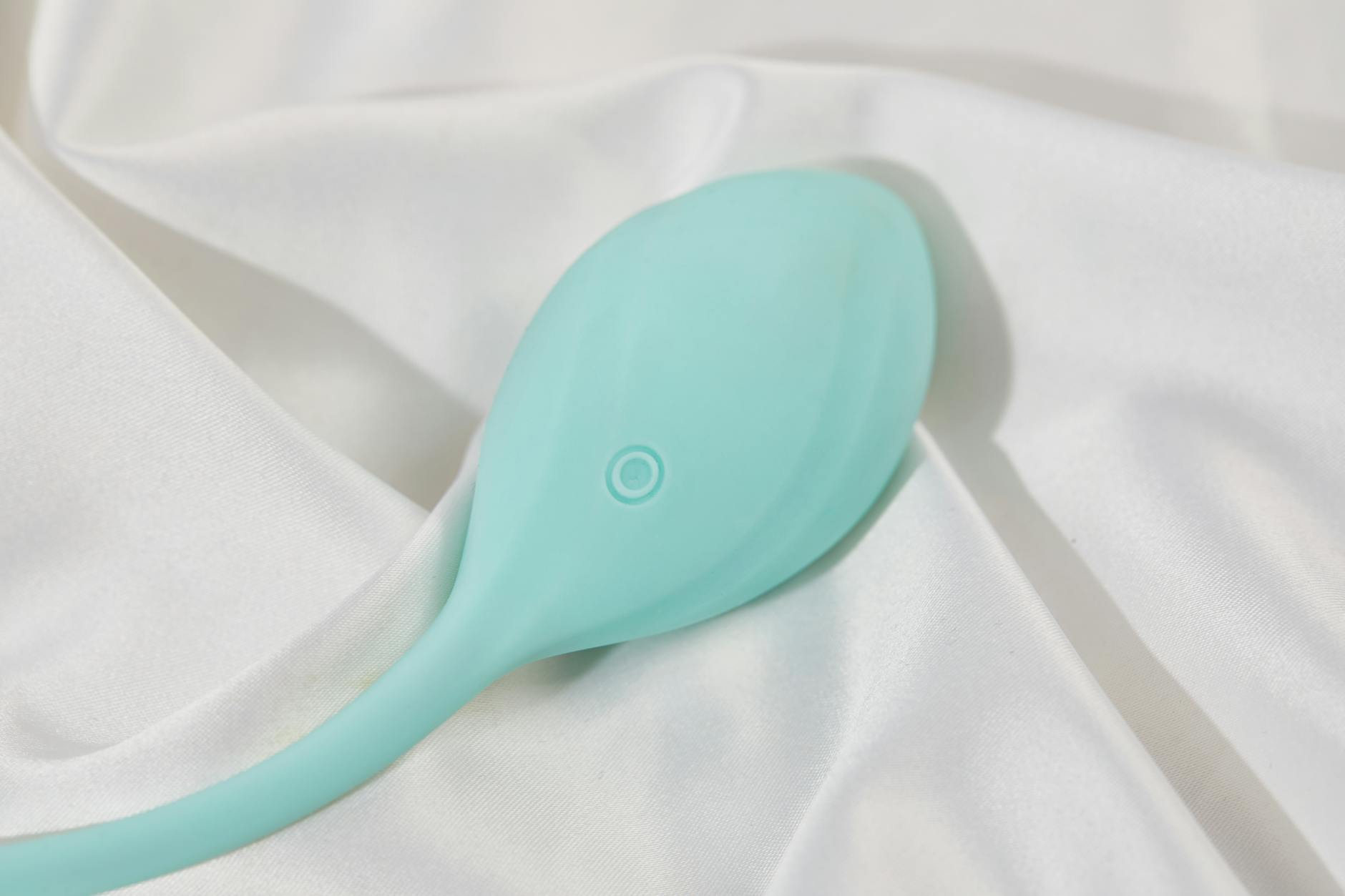
Let's be real. Menopause isn't a switch that flips off your pleasure. It's a recalibration.
Your estrogen drops. Vaginal tissue gets thinner and drier. The pelvic floor loses some of its support. Your arousal might take longer to build. But here's what nobody tells you clearly: those changes don't make pleasure impossible. They just make it different. And once you understand how, lemon clitoral vibrators often become your best tool for sensation, not your backup plan.
I've worked with hundreds of women navigating this transition, and the pattern is always the same. The ones who adapt their approach find some of the most satisfying experiences of their lives. The ones who don't change anything blame menopause instead of blame their strategy.
Why your body responds differently after 40
The mechanics matter because they inform everything that comes next.
Estrogen isn't just about lubrication. It controls blood flow to the pelvic region, tissue thickness, and how quickly nerve endings fire during stimulation. When estrogen drops, that whole system slows down. Your clitoris still has the same nerve density. Your brain still lights up the same way during arousal. But the on-ramp is longer and the sensation might feel sharper because there's less cushioning tissue underneath.
This is also why traditional vibrators often feel wrong post-menopause. They rely on direct friction. Friction works great when tissue is thick and well-lubricated. It works less great when tissue is thinned and more sensitive.
Lemon vibrators, also called lemon suckers or air-suction clitoral vibrators, bypass that problem entirely. Instead of vibrating against tissue, they create a gentle seal and use rhythmic suction and pulsing patterns. It's a completely different sensation. And for post-menopausal bodies, it's often better.
The specific advantage of suction over vibration
When you use a lemon vibrator, you're not relying on friction at all.
The lem vibrator works by creating a sealed suction around the clitoris, then pulsing that suction in patterns. This stimulates the entire clitoral structure (which extends internally far beyond what you see) without ever requiring direct pressure. It's why so many women report that a lemon clitoral vibrator feels less intense but somehow deeper than a traditional vibrator. You're hitting nerve clusters that don't get triggered the same way by friction.
For post-menopausal bodies, this matters because sensitive or thinned tissue doesn't have to work hard. The sensation is generative, not reactive. Your body isn't being stimulated; it's being invited. That psychological shift is huge.
Second, the seal that creates suction requires less lubrication than friction does. You still want to use a water-based lubricant for comfort and glide, but you don't need the same amount you'd need for a traditional vibrator. For women dealing with vaginal dryness post-menopause, that's genuinely liberating.
How to actually use a lemon sucker after menopause
Start with lubrication, always.
Water-based lube is your default. Apply it to both your vulva and to the rim of the vibrator. You're aiming for comfort, not slip. If water-based lube feels too thin, coconut oil works beautifully (just make sure your toy is not silicone, which coconut oil can degrade). Honestly? Spend time on this step. It's the difference between a good experience and a painful one.
Next, warm up longer than you used to. Post-menopausal arousal takes more time. Budget 15 to 25 minutes of foreplay or self-exploration before you introduce the vibrator. This gives your pelvic region time to fill with blood, your tissues time to engorge, and your nervous system time to shift into pleasure mode. Rushing this step is where a lot of people go wrong.
When you do introduce the vibrator, start with the lowest setting. The lemon vibrators come with multiple intensity levels and pulse patterns. Resist the urge to jump straight to power level 5. Start at 1 or 2. Let your body acclimate to the sensation. If you're used to traditional vibrators, suction will feel novel no matter what. Give your nerve endings a minute.
Position matters more than it used to. The clitoris is sensitive but finicky post-menopause. Some women find that direct suction on the tip feels intense; indirect suction (sealing around the whole area) feels better. Some women prefer the vibrator held at a slight angle. Experiment. Your body isn't broken; it just prefers a slightly different geometry now.
Kegel alongside. Pelvic floor tension changes after menopause. You might find that a few light pelvic floor squeezes (and then full relaxation) help intensify sensation. The opposite of a Kegel works too. Some women report that consciously releasing pelvic tension entirely opens up sensation that felt locked before.
Partnered use and communication
If you have a partner, this is where clarity beats assumption.
Menopause changes are not a commentary on your partner's attractiveness or the relationship's health. But they can feel personal if nobody names what's actually happening. The best move is to tell your partner exactly what's changed and what you want to try. "I'm noticing that my body needs more time to warm up, and I want to use a lemon sucker because suction feels better than vibration right now" is a complete and useful sentence. It's not a complaint. It's a data point.
Many couples find that post-menopausal exploration with a lemon clitoral vibrator actually improves connection. You're not trying to recreate the sex you had at 25. You're discovering what works now. That's collaborative and often more intimate than routine.
When to see a doctor
If lubrication helps and the vibrator feels good but you're still experiencing pain, genitourinary syndrome of menopause (GSM) might need medical support.
Topical estrogen creams, available by prescription, can thicken tissue and restore some elasticity without the systemic effects of hormone replacement therapy. Vaginal moisturizers used a few times a week also help. A good GP or gynecologist trained in menopause care can rule out other causes (infection, pelvic floor dysfunction) and give you options.
Also: if you're on hormone replacement therapy, some women find their arousal and tissue response shift again after a few months. Check in with your body. It's okay to adjust your technique as you adjust your HRT dose.
The pleasure part
Here's what I see consistently: women who embrace the changes instead of resisting them often report more intense and satisfying orgasms post-menopause than they had in their 30s.
Part of that is physical. Without hormones cycling, there's less cognitive noise. Part of it is psychological. The cultural pressure to perform softens. You're less likely to be thinking about how you look or whether your partner is satisfied and more likely to be feeling what's actually happening in your body.
Part of it is the tool. A lemon vibrator, used correctly, can create sensations that traditional vibrators simply can't. Suction stimulates the entire clitoral structure. It's less about intensity and more about resonance. Many women describe it as waves instead of buzzing.
Your body after menopause isn't a downgrade. It's a different instrument. And once you learn how to play it, it sings.
Frequently asked questions
Can I use a lemon clitoral vibrator if I'm on hormone replacement therapy?
Absolutely. HRT changes things gradually, and everyone responds differently. Some women on HRT find they don't need additional lubrication; others do. The approach stays the same: start low, use lubrication, warm up longer. Your body will tell you what's working.
How long should arousal take after menopause?
There's no magic number, but 15 to 25 minutes is realistic for many women post-menopause. Some women need more time; some need less. The variable isn't your body's broken part; it's the time investment you're willing to make. Extend foreplay, enjoy it, and stop treating length as a failure.
Is it normal for orgasms to feel different after menopause?
Completely. Some women report orgasms feel shorter or shallower. Many report they feel deeper or more localized. Some feel both at different times. Different isn't worse. It's genuinely just different. The clitoris is still there. Your capacity for pleasure is still there. The sensation itself just has a different shape.
What if a lemon vibrator feels too intense even on the lowest setting?
You might need more warm-up time, more lubrication, or gentler pressure. Start with the vibrator in your hand and just hold it against your vulva without turning it on. Let your body acclimate to the pressure and the seal. Once that feels comfortable, try the lowest setting for just a few seconds. Build up. Comfort compounds.
Can I use the same lemon sucker my partner and I used before menopause?
Yes, if it's the same toy. But your technique will shift. You might need more lube. You might prefer different intensity levels or pulse patterns. The toy itself doesn't change, but how you use it probably will. Honor that instead of fighting it.
Is vaginal dryness permanent after menopause?
Not necessarily. Lubrication improves with time, especially if you're sexually active regularly (good circulation helps). Topical estrogen or vaginal moisturizers speed that along. And here's the thing: even if dryness sticks around, you can have great sex with water-based lube and the right toy. Permanent doesn't mean unsolvable.
The transition after menopause is real. The changes in your body are real. But so is your capacity for pleasure, intensity, and satisfaction. A lemon vibrator is just a tool that happens to work brilliantly with your post-menopausal body instead of against it. Once you figure out the approach, you'll wonder why you ever thought this chapter of your life was supposed to be quieter.