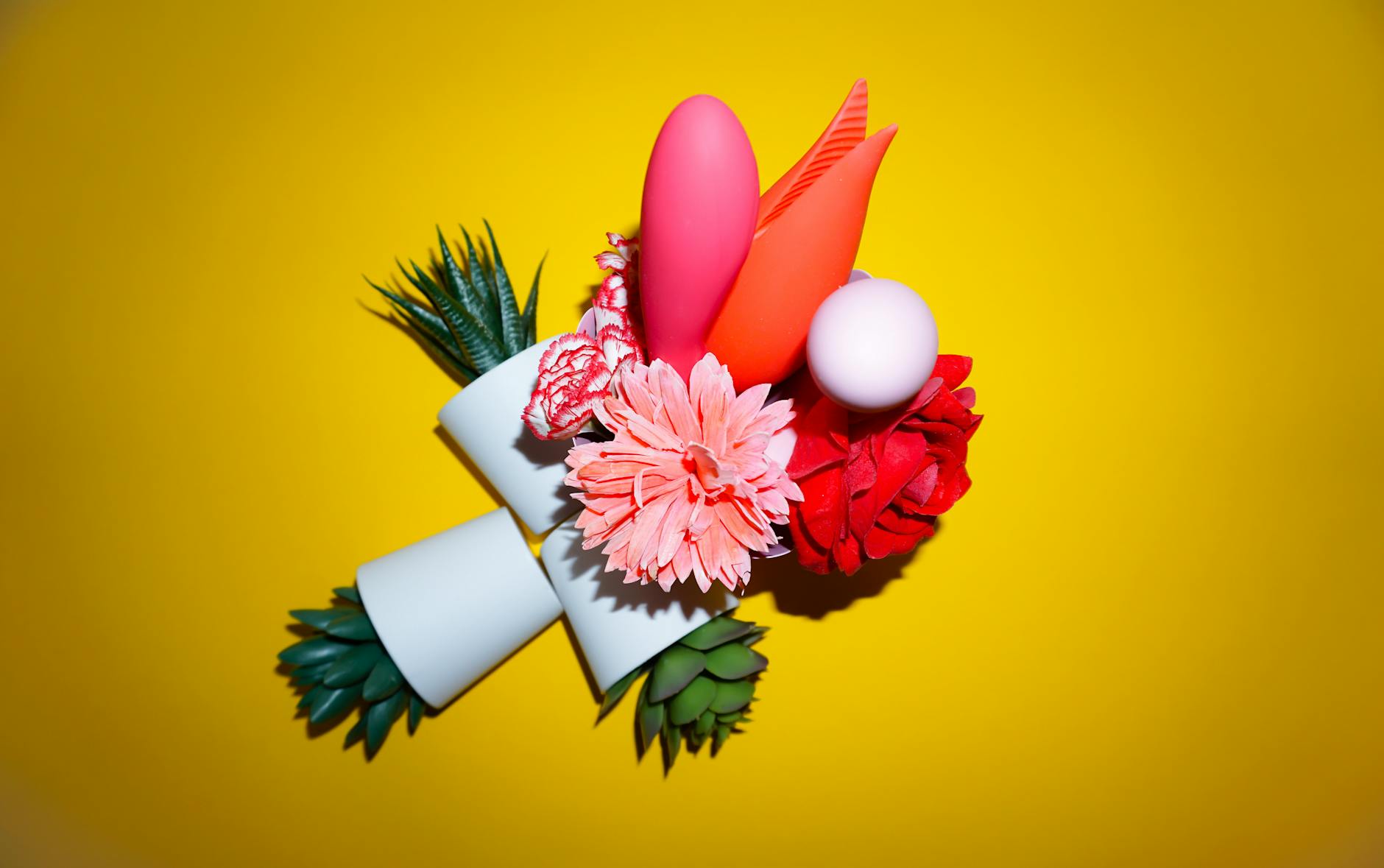
How to Use Lemon Vibrators for Better Sensitivity If You Have Nerve Damage
Numbness doesn't mean the end of pleasure. Here's why clitoral suction works when sensation feels lost, and how to use lemon vibrators to rebuild what damage took away.
Nerve damage is not a pleasure killer. It's a signal problem. The nerves that carry sensation from your clitoris to your brain aren't firing as they should, which means stimulation that used to register as "oh wow" now registers as "maybe something." That's frustrating and real, but it's also fixable.
The catch is that traditional vibration doesn't always help, because vibration typically relies on the exact nerves that are already struggling. That's where lemon vibrators and other clitoral suction toys shift the game entirely.
Your clitoris has about 8,000 nerve endings packed into a space the size of a pea. When those nerves are damaged (from diabetes, spinal injury, chemotherapy, pelvic surgery, or other causes), the signal reaches your brain slower or weaker. Some women describe it as numbness. Others say it's like touching themselves through a thick glove.
Traditional vibrators work by sending rapid pulses directly into nerve tissue. For someone with intact sensation, this is brilliant. For someone with nerve damage, it can feel like nothing at all because the damaged nerves can't detect the vibration efficiently.
The clitoris has multiple types of sensory receptors. Vibration targets fast-adapting nerves (the ones that get fatigued easily and, in your case, are already struggling). But there's another set of receptors that respond to pressure and suction. These aren't always affected the same way as vibration-sensitive nerves.
Lemon vibrators and devices like the Lem use air-pulse technology instead of traditional vibration. Instead of a motor moving back and forth thousands of times per second, suction toys create a gentle vacuum that expands and releases around your clitoral area.
This matters because suction recruits different nerve pathways than vibration does. You're stimulating mechanoreceptors (pressure sensors) rather than relying exclusively on velocity-sensitive nerves. For someone with nerve damage, this often means you can feel something when vibration felt like static.
I've worked with clients dealing with diabetic neuropathy, chemotherapy side effects, and post-surgical numbness who found that lemon vibrators restored sensation when nothing else worked. The mechanism isn't magic. It's just a different door into the same nervous system.
Begin conservatively. If your baseline sensation is already compromised, starting at the highest intensity of a lemon sucker will just give you frustration. Instead, here's what I recommend.
Try pattern one (usually the gentlest setting on the Lem) for 5 to 10 minutes before assessing. Wait a full day. Your nervous system needs time to register what it's feeling, especially if sensation has been dulled for a while. Then move to pattern two. This slow progression gives your brain time to rewire and recognize the signal.
Properly warming up matters more for you than it does for someone with normal sensation. Spend 15 to 25 minutes on foreplay before introducing the lemon suction toy. This gets blood flowing to the area and wakes up the nerve endings that are still functioning. Use hands, a partner, or just patience.
Lubrication becomes essential, not because the clitoris needs it the way the vagina does, but because better skin contact means better signal transmission. A water-based lubricant creates a seal that helps the suction work more efficiently.
Here's what most people don't know about nerve damage and pleasure. Your nervous system is plastic. This means it can learn new pathways. If your vibration-sensing nerves are damaged, your brain can gradually rewire to interpret signals from other receptors more intensely.
When you use a lemon vibrator consistently over weeks and months, you're not just stimulating damaged pathways. You're teaching your brain to pay attention to sensation that's coming through routes it may have been ignoring. Over time, pleasure builds.
This is why consistency matters more than intensity. Using the Lem three times a week for two months will likely restore more sensation than using it once at the highest setting. You're building new neural circuits.
Some of my clients with post-surgical numbness reported that sensation returned or significantly improved within 3 to 4 months of regular use. Others saw gradual changes over a year. The timeline depends on the type and severity of your nerve damage, but the direction was almost always toward improvement.
Don't leap from pattern one to pattern five just because you're impatient. The signal your brain receives matters more than the power level. A gentler stimulation that you can feel clearly is infinitely better than aggressive stimulation you can't register.
You'll know you're ready to increase intensity when the current pattern no longer feels like it's at the edge of your sensation. When you can reliably feel it and it starts to feel less novel, move up one level. That's it. One level. Wait another week.
After three to four weeks at a consistent level, you may notice that familiar patterns of arousal starting to return. Warmth instead of numbness. Sensitivity instead of flatness. That's your nervous system remembering.
If you're with a partner during this process, tell them what you're doing and why. Nerve damage is medical. It's not about them, and it shouldn't become a source of tension or misunderstanding.
Some partners want to be involved in the pleasure-rebuilding process. Others prefer you explore on your own first. Both approaches work. What matters is clarity. "I'm using this tool to help my body relearn sensation after nerve damage. It might take time. This isn't about you." That sentence saves so much friction.
If your partner is the one with nerve damage, patience is your only tool. Don't push for faster results. Don't switch tactics every few days. Stick with the program for months, not weeks.
A lemon clitoral vibrator isn't your only option, but it's an excellent starting point. Some people find that combining suction with light vibration (pattern three on the Lem) works better than pure suction alone once they've had a few weeks of adaptation.
Temperature play can also help wake up sensation. Alternating between a warm hand and cool lube before using the toy sometimes makes the suction feel more pronounced.
If you've had surgery that affected specific nerves, working with a pelvic floor physical therapist alongside your toy exploration can accelerate progress. They can assess which pathways are still intact and help you target stimulation more strategically.
Before you assume all numbness is permanent, check in with your medical provider. Some nerve damage improves on its own. Some is helped by medications or specific treatments. You want to rule out anything medical that might improve separately from pleasure exploration.
Also, if sensation doesn't improve after three months of consistent use, tell your doctor. It's possible your particular nerve damage requires a different approach, or there's an underlying factor you haven't addressed.
Pleasure after nerve damage is possible. It's not what it was, but it's often deeper, more intentional, and more satisfying because you've had to rebuild it consciously. Use lemon vibrators as your tool, stay consistent, and give your nervous system the months it needs.
Not always. Even with significant nerve damage, orgasm is often still possible. The clitoris has multiple pathways for sensation, and many types of nerve damage affect some pathways more than others. Many people with numbness from diabetes, surgery, or chemotherapy report that orgasms return with the right stimulation approach, though the sensation may feel different than before. Patience and consistent exploration matter more than the severity of damage.
It varies widely depending on the cause and severity of your nerve damage. Some people notice shifts within 2 to 3 weeks. Others take 2 to 3 months to see meaningful progress. The key is consistency, not intensity. Using your toy three times a week is more effective than sporadic high-power sessions. Think in terms of months, not days.
Neither is unsafe, but suction works through different nerve pathways than vibration does. For people with numbness, suction often feels more noticeable because it's recruiting pressure-sensitive receptors rather than vibration-sensitive ones. If vibration hasn't worked for you, suction is absolutely worth trying. Start gently and build from there.
Yes. Many people with diabetes-related numbness find clitoral suction toys effective for rebuilding sensation. Diabetic neuropathy affects vibration-sensitive nerves preferentially, which is exactly why suction's different mechanism often works where traditional vibrators don't. Work with your doctor to rule out any other concerns, then proceed with patience.
Always use lubricant. It creates a better seal for the suction and improves skin contact, which helps signal transmission. Water-based lubricant is best. Beyond that practical benefit, good lubrication simply feels better and reduces any micro-friction that might feel uncomfortable if your sensation is already compromised.
First, check that you're using the right intensity and pattern for your baseline. If pattern one feels like nothing even after consistent use, the nerve damage may be more severe than typical, or you might benefit from combining suction with other approaches like pelvic floor therapy or medical evaluation. Talk to a healthcare provider who specializes in sexual dysfunction. They can assess whether your nerves might respond to different treatment or whether you'd benefit from a different device altogether.
Nerve damage is a real obstacle, but it's not a permanent barrier to pleasure. Lemon vibrators work where other tools fail because they recruit different neural pathways. With consistency, patience, and the right approach, most people rebuild sensation and rediscover orgasm.
Start gently. Build slowly. Give your nervous system months, not weeks. And remember that rebuilding pleasure after nerve damage is an act of self-care worth taking seriously. Your body deserves that attention.
If you're struggling with this, we're here. Reach out to our team at Hello Nancy with any questions.