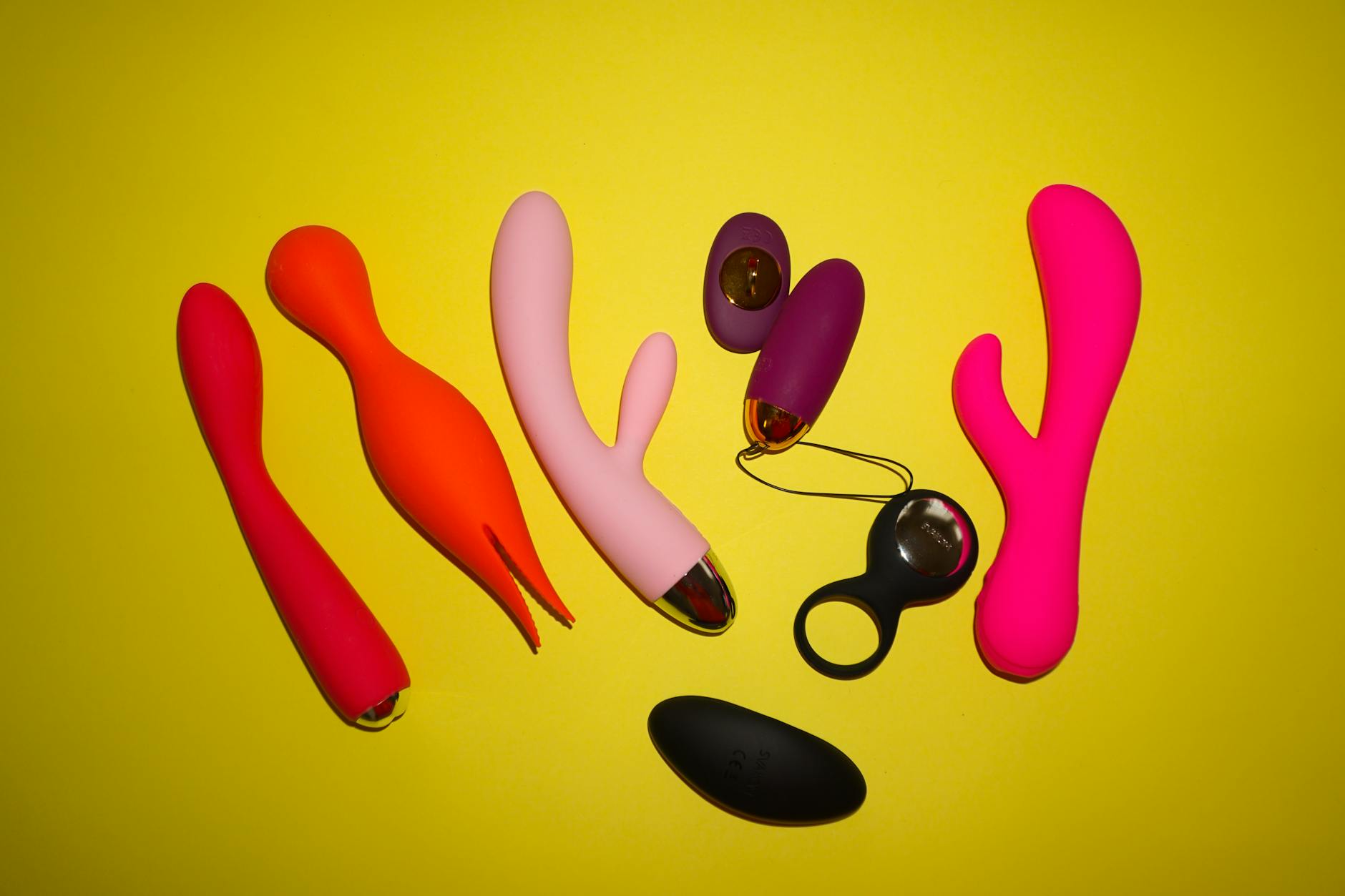
The honest truth about stress and desire
Stress doesn't just make you tired. It literally rewires your brain's pleasure response. When cortisol spikes, your nervous system shifts into survival mode. Sex feels like a luxury you can't afford, even though your body might technically still work. Your clitoris is still there. Your neural pathways are still there. But the signal saying "this is safe enough to feel pleasure" gets cut off.
This isn't laziness. It's not a relationship problem. It's physiology, and understanding it changes everything about how you approach getting back to pleasure.
Why stress kills arousal faster than most people realize
Here's what happens under chronic stress. Your sympathetic nervous system stays switched on. That's the system that handles "fight, flight, or freeze." Sexual arousal requires the opposite: the parasympathetic system, the one that says "it's safe to rest and digest." When stress dominates, those two systems are at war.
Cortisol also suppresses sex hormones. Testosterone drops. Estrogen can become erratic. The tissues that respond to stimulation become less sensitive. Everything takes longer to build, and even when arousal does start, it can feel shallow or interrupted.
The tricky part? Stress-related low libido often doesn't feel like low desire. It feels like numbness. You see your partner and feel nothing. You think about sex and feel nothing. The wanting just vanishes, which can feel scary if you've never experienced it before.
The counterintuitive thing about rebuilding pleasure under stress
Most people try to fix this by removing stressors. Which is great if you can. But if you can't (sick parent, work chaos, financial pressure), then pleasure has to become the tool that rebuilds your nervous system, not the reward you get when everything calms down.
This is where lemon clitoral vibrators change the game. Air-suction devices work beautifully when arousal is slow or numb because they don't require you to generate much sensation internally. The suction works with your body rather than asking you to feel something you don't.
Think of it this way. When you're stressed, your nervous system is in debt. Solo pleasure with the right tool isn't selfish. It's medicine. It retrains your parasympathetic system to recognize that climax is possible, that your body still works, and that pleasure is accessible even when life is overwhelming.
Starting with zero pressure sessions
When stress has killed your desire, the worst thing you can do is approach pleasure like you're trying to force an outcome. That just adds more pressure to an already taxed nervous system.
Instead, start with what I call a "no-goal session." Set 15 minutes. Turn off your phone. Use a lemon vibrator, but don't commit to finishing. Start on the lowest setting. The Lem works beautifully for this because the patterns are gentle enough to register arousal without demanding intensity.
You're not trying to have an orgasm. You're trying to prove to your nervous system that pleasure is possible, and that it's safe. That's it. If you feel something, great. If you don't, that's information too.
Many people I work with are shocked at how many sessions it takes before arousal feels "normal" again. Three weeks of regular, zero-pressure sessions isn't unusual. A month is common. That sounds like a lot until you realize you've been stressed for two years.
Building arousal in stages when time is tight
If your life is genuinely overwhelming, you don't have 30 uninterrupted minutes for pleasure. I get that. But here's what changes: consistency beats duration.
Three five-minute sessions where you use a lemon vibrator and actually focus on what you feel works better than one forced 20-minute marathon. In those five minutes, you're signaling to your nervous system that pleasure is a priority. You're building a pathway. You're undoing the association between stress and numbness.
The key is turning off the performance voice. This isn't about reaching a finish line. A five-minute session where you feel something is a win. A five-minute session where you feel nothing but you showed up anyway is also a win because you're retraining the habit.
Lemon vibrators are particularly good for this because there's no learning curve. You're not trying to figure out angles or pressure. You're just letting the device do what it does while you focus on what you notice in your body.
When your partner needs to understand this too
If you're in a relationship, stress-induced low libido often becomes a couple's issue real fast. Your partner may feel rejected. You feel pressure. Everyone feels worse.
Here's what helps: separate the conversations. "I'm rebuilding my arousal because my nervous system has been offline" is different from "I still want to be intimate with you." Those are two truths that can coexist.
Some couples find that having solo pleasure sessions actually heals things because it takes the pressure off partnered sex. The expectation lifts. When you're not performing, you can actually enjoy being touched. When your partner isn't waiting for you to "get in the mood," they can relax too.
This is where being honest about what you're doing matters. You're not hiding in the bathroom. You're rebuilding your capacity for pleasure, which will eventually benefit both of you. That's worth saying out loud.
The role of intentional breathing while using lemon vibrators
Your nervous system responds to breath. When you're stressed, your breathing is shallow and fast. When you're aroused, it naturally deepens. You can hack this.
While you're using a lemon vibrator, breathe consciously. In through your nose for a count of four, out through your mouth for a count of six. This isn't meditation woo. This is polyvagal theory. You're literally signaling to your vagus nerve that it's safe to shift out of stress mode.
Many people notice that this single change turns "numb" sessions into sessions where they actually feel something. Breathing doesn't fix stress, but it gives your body permission to transition from survival to pleasure.
When you need more help
If weeks of consistent, zero-pressure sessions aren't moving the needle at all, and stress is the obvious culprit, that's a sign to talk to a doctor. Chronic stress sometimes needs treatment. Therapy works. Medication sometimes helps. Your clitoral vibrator is a tool, not a cure for clinical-level stress or depression.
Also worth noting: if you're on antidepressants or anti-anxiety medication and noticing low libido, that's real and worth discussing with your prescriber. Sometimes switching timing helps. Sometimes a different medication helps. Sometimes it doesn't, and you learn to work with it. Either way, your provider should know.
The timeline for getting back
Honestly though, most people rebuild arousal faster than they expect once they stop treating pleasure like a performance. Two to four weeks of consistent, pressure-free sessions usually shifts something. Not always an orgasm. Sometimes just the return of "I want my partner." Sometimes just "my body woke up."
The point is you can rebuild this. Your nervous system is adaptable. Lemon clitoral vibrators like the Lem are built for this exact situation. Low arousal states need low-pressure tools, and air-suction devices are exactly that.
Your stress doesn't have to stay in charge of your pleasure. You do.
People also ask
How long does it take for libido to come back when stress decreases?
It depends on how long stress was high, but expect two to six weeks of rebuilding once you're actively addressing it. Your nervous system is training, not switching back on like a light. That means consistency matters more than intensity. Daily five-minute sessions with a lemon vibrator tends to show results faster than sporadic longer sessions.
Can you use lemon vibrators if you feel completely numb down there?
Absolutely. Numbness is actually when air-suction clitoral vibrators work best. You don't need to feel something for the device to be working. The suction is engaging your nerves even if the sensation isn't registering as "pleasure" yet. Keep using it. The sensation often comes back after several sessions.
Does solo pleasure make partnered sex awkward when you're rebuilding libido?
Actually the opposite usually happens. When you're actively rebuilding your own arousal, you're less dependent on your partner to "turn you on." That takes pressure off them. Partnered sex usually feels better because you're not expecting it to fix your nervous system. You're just experiencing connection.
Is it normal for stress-related low libido to come and go?
Yes. If your stress is ongoing or cyclical, your libido will probably track with it. High stress week equals low desire. Slightly less chaotic week equals slight return of interest. This isn't a bug. It's just how your body is wired. Managing the stress and maintaining your pleasure practice during high-stress periods helps smooth out those dips.
What if my partner thinks I'm not attracted to them anymore when libido drops from stress?
This needs a direct conversation. "My stress has tanked my sex drive. This isn't about you or my feelings for you. I'm rebuilding my arousal capacity." Then show them what you're doing about it. That honesty usually breaks the anxiety on their end. They were probably spiraling in their own interpretation anyway.
Can stress-induced low libido become permanent?
No. Desire is responsive. If the stress decreases and you actively rebuild your pleasure practice, arousal comes back. It might feel different than it did before (bodies change, life changes), but it returns.
Get back to pleasure at your own pace
Stress takes your libido hostage, but it doesn't own it permanently. Your clitoral vibrator is permission to start rebuilding without waiting for perfect conditions. You don't need stress to disappear. You just need to take back your pleasure.
If you're navigating the mental and emotional side of this with a partner, reach out. We're here to help.