Here's the thing about desire after emotional distance
Desire doesn't return on a schedule. After years of emotional distance, resentment, or simple cohabitation fatigue, your body may have switched into survival mode. Touch felt like obligation. Sex felt like another chore. The thought of intimacy made you tired.
Then something shifts. Maybe your partner does something kind. Maybe you both went to therapy. Maybe you just woke up one morning and your body remembered what wanting felt like. The timing is almost never convenient, and it rarely follows the narrative arc you imagined.
This is one of the most common moments in long-term relationships, and it's also one of the most confusing. Your mind might still be skeptical while your body is curious. Your partner might not believe it's real. You might not trust it yourself. That's completely normal.
Why desire comes back in waves, not in a straight line
Relationship fatigue is not the same as a broken libido. Your clitoris didn't stop working. Your capacity for pleasure didn't disappear. What happened is that emotional disconnection created a protective layer between your nervous system and physical sensation.
When safety returns, even partially, your body starts loosening that grip. Sometimes this happens gradually. Sometimes it hits all at once, almost surprising you.
What matters now is understanding that this return is fragile. It's not a permanent fix. It can disappear again if reconnection stalls. But it's also genuinely real, and your nervous system is sending you accurate information about whether something has shifted in the relationship.
The permission piece matters more than the tool
Before you reach for a lemon vibrator or any clitoral vibrator, sit with this: desire returning after emotional distance requires permission. Permission to explore your own pleasure without justifying it. Permission to be selfish about sensation. Permission to say no if it doesn't feel right today.
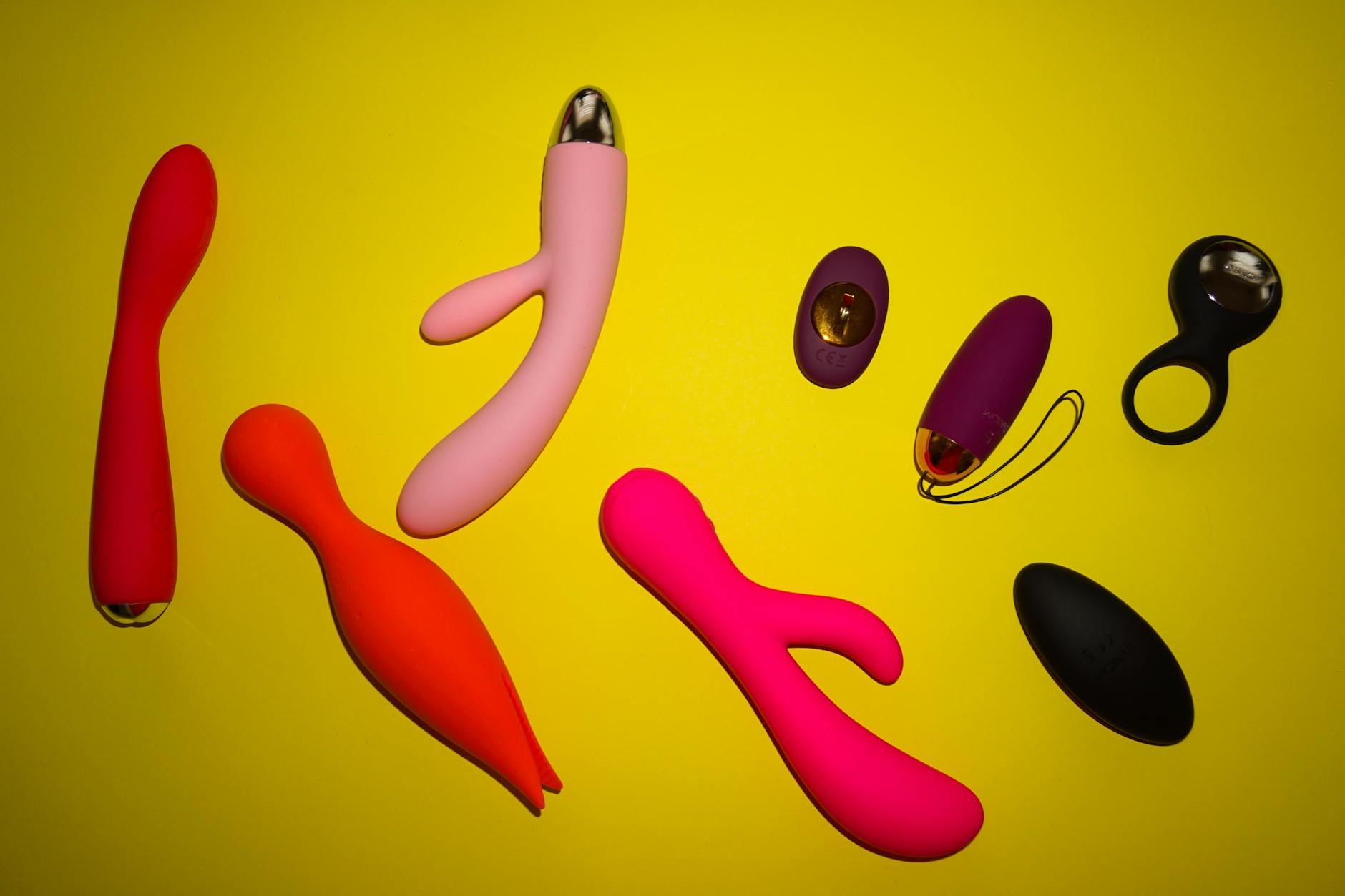
Tools like clitoral vibrators work because they give you something concrete to focus on besides the relationship narrative. The vibrator becomes the anchor point. You're not performing for your partner. You're not proving anything to them. You're investigating what feels good in your own body, right now.
If you're using a lemon vibrator or other toy during this phase, make sure the intention is clear to both of you. This is about your pleasure, not about saving the relationship. Those are two separate conversations.
Starting solo before bringing a partner in
Honestly, if desire is returning unpredictably, your first exploration should probably be alone. Get to know this reawakening without the pressure of a witness.
Take one evening when you have privacy. A lemon vibrator or lem suction toy is perfect for this because it doesn't require any particular position or anatomy knowledge. You can figure out what feels good without overthinking the logistics.
Start on a low setting. You might find that your sensitivity has shifted after years of not paying attention to your body. The clitoral vibrator might feel stronger than you remember, or gentler. There's no baseline to compare to anymore.
Give yourself at least 20 minutes before deciding whether this is working. Arousal takes time to build when your nervous system has been in protective mode. The first few minutes might feel neutral or even a little uncomfortable. That's fine. Your body is relearning how to respond.
What happens when you bring a partner back into the picture
If you've spent time exploring alone and something still feels good, then the conversation with your partner becomes possible. This is where things get delicate.
They might feel hopeful. They might feel resentful about the years of distance. They might feel skeptical that this sticks around. All of that is valid. The return of desire doesn't erase what came before.
One framework that helps: frame the toy as a bridge, not a replacement. If you're using a lemon clitoral vibrator during partnered sex, it's not because your partner isn't enough. It's because the vibrator does one specific thing your partner's hands or mouth can't do consistently. It lets you focus on sensation without the cognitive load of managing their experience.
Start with the toy during foreplay, not penetration. Use it while your partner touches you elsewhere. Let them watch and learn what makes you respond. This keeps the focus on your pleasure while maintaining connection.
The practical side: intensity and pacing
After emotional distance, your body might have shifted in ways you don't expect. Sensitivity can increase or decrease. Orgasms might feel different. The path to arousal might have changed.
With a lemon vibrator, this is actually manageable. Most quality clitoral vibrators have multiple intensity settings specifically for this reason. Start at pattern 1 or 2, even if you think you want something stronger. Your nervous system is recalibrating. Give it time.
If you're using the toy during partnered sex, communicate what feels good in real time. "A little slower," "Hold it there," "That's too intense." Your partner might feel vulnerable hearing this, but they need the information to understand what's actually working. Desire returning is an invitation to learn your body again together, not to pretend you're the same person you were before the distance.
The emotional adjustment you're not expecting
Here's what catches people off guard: wanting your partner again can bring up grief. You're grieving the years that felt numb. You might feel angry that you could want them again, because that anger felt protective. You might feel scared that reconnection will fail again.
These feelings are not contradictory to physical desire. Your body can want touch while your emotions are processing years of distance. A clitoral vibrator or any tool for pleasure doesn't resolve these deeper dynamics. It just gives you a place to start.
If the emotional piece feels too big to navigate alone, couples therapy or a sex therapist specializing in desire discrepancies can help both of you understand what's happening. Desire returning is hope. It's not a promise, but it's a signal worth paying attention to.
When desire is still inconsistent: that's okay
Some people get to a point where desire comes back fully and stays. Others find that it returns sometimes, disappears other times, and slowly becomes more reliable. Both are normal after long-term emotional distance.
If you're in the inconsistent phase, keep the lemon vibrator or other clitoral vibrator accessible. Use it when the urge hits, without pressure to maintain a schedule. Scheduled sex can work eventually, but when you're rebuilding after distance, it works better to follow the actual rhythm of your body.
Your partner needs to know: inconsistent desire is not rejection. It's reconnection happening at the pace your nervous system can handle.
What doesn't work in this phase
Don't use a vibrator to force desire if it's not there. Don't use it to prove to your partner that you're "fixed." Don't use it as a substitute for the actual conversation about whether you both want to rebuild this relationship.
If you use a lemon vibrator and feel nothing, that's information too. Your body might be telling you that the emotional distance is still too deep. That's worth listening to.
Don't expect the vibrator to create attraction that isn't there. A clitoral vibrator is a tool for pleasure, not for emotional repair.
People also ask
How long does it usually take for desire to feel stable again after emotional distance?
There's no timeline. For some couples, a few months of consistent connection and therapy rebuilds desire steadily. For others, it takes years, and the journey is bumpy. The key variable is whether both people are actually engaged in reconnection. If you're the only one trying, desire might stay fragile indefinitely. If you're both invested, the unpredictability usually decreases within 6-12 months.
Can using a clitoral vibrator make desire disappear again if things get tense?
Yes. Your nervous system is sensitive to relationship dynamics. If conflict ramps back up or distance returns, your body will retreat again. This doesn't mean the vibrator caused harm. It means your body is doing what it's supposed to do: telling you the truth about the state of the relationship. Pay attention to that signal.
What if my partner feels threatened by me using a vibrator during this reconnection phase?
This is worth a direct conversation. Insecurity about toys is often about insecurity about whether the relationship is stable enough to include pleasure. Reassure them that a lemon vibrator or any clitoral vibrator is about expanding your pleasure together, not replacing them. If they remain threatened, couples counseling can help you both understand what's underneath that reaction.
Should we use the vibrator during every time we have sex after desire returns?
No. Use it when it feels right. Some sessions might be about slow touch and connection without any toy. Other times, the vibrator helps you get there faster or feel more. Let it be optional, not obligatory. If the toy becomes required for pleasure, that's a signal to check in about what that means emotionally.
Is it normal to feel guilty about wanting pleasure again after being numb for years?
Completely normal. Numbness often feels like it's keeping you safe. Wanting again means vulnerability. You might worry that pleasure means you're forgiving too easily, or that you're making a mistake by softening. These are fears worth exploring in therapy, not reasons to shut down the desire that's returning.
How do I know if this desire return is real or just a temporary spike?
Temporary spikes in desire happen. You can usually tell the difference after a few weeks. Real desire return typically includes consistent interest in touch, increasing curiosity about your own pleasure, and moments of physical attraction to your partner that feel organic, not forced. Temporary spikes often peak quickly and disappear just as fast. Either way, use the time you have to stay curious about what your body is telling you.
The bottom line
Desire returning after emotional distance is complicated. It's hopeful and scary. It's real and fragile. It doesn't erase the past, and it's not guaranteed to stick around. But it's also genuinely meaningful information about whether reconnection is possible.
A lemon vibrator, lem toy, or clitoral vibrator is just a tool in that process. What matters most is paying attention to what your body is telling you, giving yourself permission to explore pleasure without judgment, and staying honest with your partner and yourself about what's actually shifting.
Your pleasure matters. Your reconnection matters. And your body's slow return to wanting again is worth taking seriously.