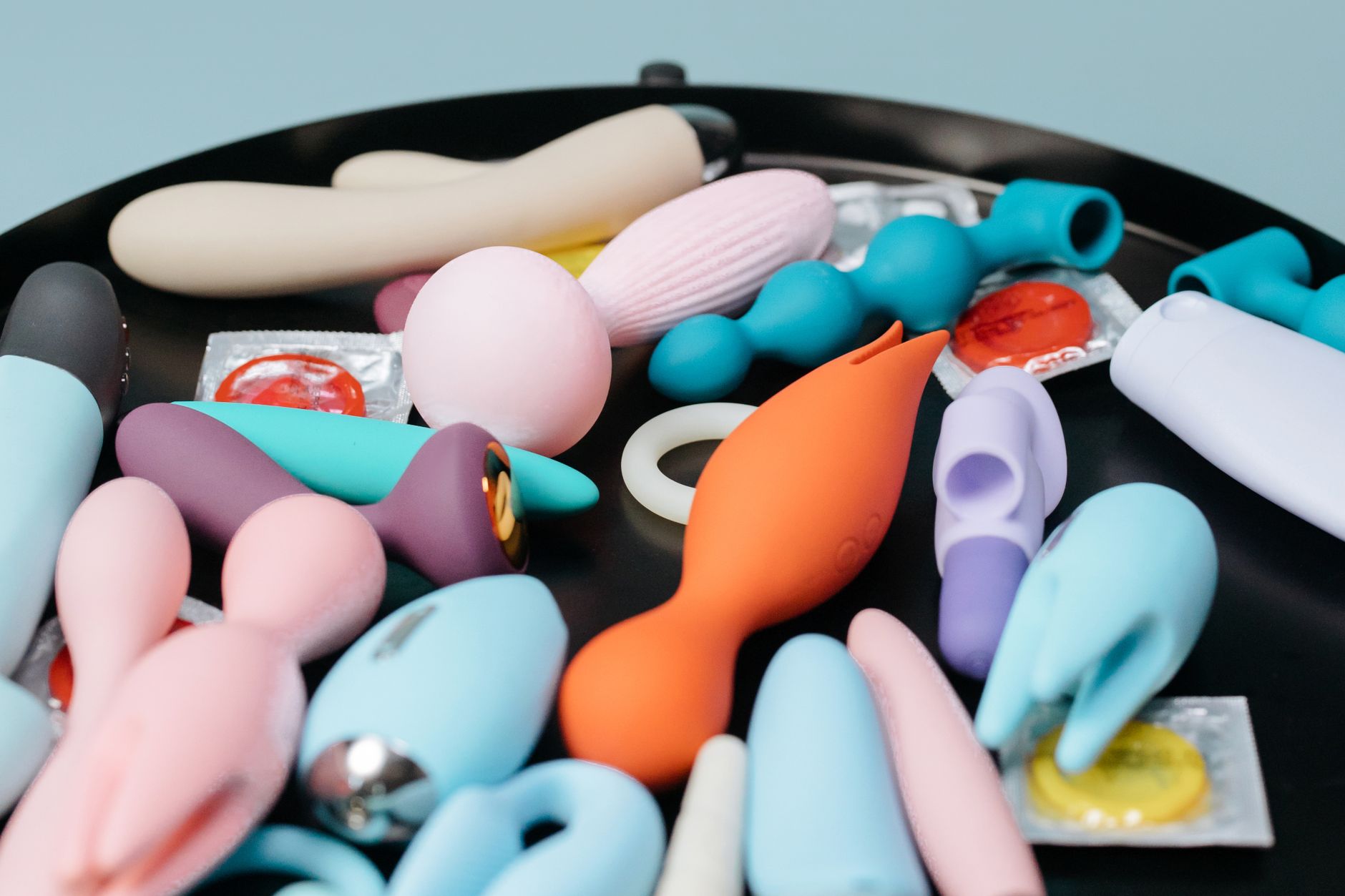
When your hormones change, so does your pleasure
Let's be real: your body's response to touch shifts when your hormones do. Birth control changes, cycle fluctuations, hormonal medications, or major life transitions all rewire how quickly you get aroused, how intense sensation feels, and what actually works to get you there. The mistake most people make is assuming something's broken. It's not. You just need to recalibrate.
Here's the good news. Lemon clitoral vibrators respond beautifully to hormonal shifts because suction-based stimulation works differently than traditional vibration. It doesn't rely on the same friction response that hormones most dramatically affect. Understanding this means you're not starting from zero every time your body changes.
I've worked with hundreds of people navigating these transitions, and the ones who adapt their technique instead of abandoning it entirely? They end up with better orgasms than they had before.
How hormones actually affect arousal and sensation
Estrogen and testosterone directly influence blood flow to your genitals, tissue sensitivity, and how quickly your nervous system fires during stimulation. When these shift (through birth control, cycle changes, medications, or stress), several things happen physiologically.
Your clitoral tissue becomes either more or less engorged. Your natural lubrication increases or decreases. The speed at which arousal builds can slow dramatically. And sensitivity? It can sharpen or flatten depending on what's happening in your hormone cycle.
This is not psychological. This is not a reflection of desire. This is straightforward physiology. A lemon sucker like the Lem actually has advantages here because suction creates stimulation independent of tissue engorgement. It doesn't require the same baseline of blood flow that traditional vibrators do.
Changes from hormonal birth control
If you've recently started hormonal contraception, your arousal timeline probably shifted. Many people report slower build-up to orgasm, or feeling less sensation overall. This is common and temporary as your body adjusts, though some people experience persistent changes.
What to adjust: start with the lowest suction setting on your lemon vibrator and spend more time warming up. Fifteen to twenty minutes of foreplay (either solo or with a partner) becomes non-negotiable. Your body isn't broken. It's just asking for more runway.
Think of arousal like an engine warming up. Hormonal birth control sometimes turns that startup time from thirty seconds to three minutes. That's it. The engine still works.
If you've switched birth control methods, give yourself at least a full cycle before deciding whether the change is permanent. Most people stabilize after three months. If sensation hasn't returned and it bothers you, mention it to your doctor. Some methods suppress arousal more than others, and you have options.
Cycle-specific adjustments for menstruating bodies
Your cycle creates predictable windows of higher and lower hormone levels. Most people have stronger arousal in the days leading up to ovulation (when estrogen peaks) and can find it harder to reach orgasm in the days right before menstruation.
If you menstruate, you already know this. But you may not have thought about tailoring your lemon vibrator use to these windows.
During the high-estrogen phase (roughly days 8-14 of a typical cycle), your clitoral tissue is more engorged. Sensation is often sharper. You might find you orgasm faster or more intensely. Lean into this. Use higher suction settings. Try patterns you find too intense at other times.
During the luteal phase (the two weeks after ovulation), arousal often slows. This is the time to extend warm-up, use gentler patterns, and consider adding lubrication even if you don't usually need it. Some people also find that clitoral sensation becomes more diffuse and prefers broader stimulation patterns rather than pinpoint ones.
You're not broken during the luteal phase. You're just operating with different hardware. Adapt the settings, not the tool.
When you're switching off hormonal contraception
Stopping hormonal birth control can feel like your body returns to baseline. But sometimes it swings the opposite direction, creating unexpected intensity or sensitivity. If you've been on hormonal contraception for years, your baseline may have actually reset. Coming off it means rediscovering what your unmedicated arousal looks like.
Give yourself grace during this transition. Your lemon vibrator becomes a useful exploration tool rather than something that "should" work a certain way. You might find you're more sensitive than you expected. You might discover new patterns feel better now. This is information, not malfunction.
Many people who switch off hormonal contraception report significantly faster arousal, easier orgasm, and stronger sensation. If this happens to you, dial down your lemon vibrator's intensity settings until you recalibrate. You can always increase them later.
Hormonal shifts from stress and major life changes
Divorce, new relationships, job changes, and grief all suppress cortisol regulation, which tanks arousal. Your hormones don't actually change structurally, but your nervous system goes into a sympathetic (fight-or-flight) state where pleasure is literally lower priority than survival.
This is why people often report that sex (or solo pleasure) feels impossible during high-stress periods. You're not unresponsive. Your nervous system is protecting you.
If you're in this state, a lemon vibrator can actually be gentler than traditional vibrators because you're not fighting friction or intensity as much. The suction sensation is more meditative. Some people find that 10-15 minutes with a lemon clitoral vibrator is enough to start shifting their nervous system from sympathetic to parasympathetic (rest-and-digest mode).
Don't expect orgasm during acute stress. Expect to practice the sensation of your body being capable of pleasure again. That's the win.
Medication side effects and arousal changes
Antidepressants, antihistamines, and blood pressure medications commonly suppress arousal as a side effect. Unlike hormonal contraception, which you can time your use around, medication side effects are persistent.
If a medication is affecting your arousal and it bothers you, talk to your prescriber. Timing changes, dose adjustments, or switching to a different medication in the same class can sometimes help. But some people find that adapting their technique works better than switching medications they need.
With a lemon sucker, this means leaning hard into what works. Longer warm-up. Lubrication. Lower initial intensity. Potentially combining clitoral stimulation with other sensations (like internal touch or mental focus) to create enough total stimulation to reach orgasm. Your lemon vibrator is flexible enough to work as part of a broader pleasure strategy rather than a standalone tool.
The warm-up becomes more important than the tool itself
Across every hormonal shift, one thing stays consistent: adequate warm-up time matters more when hormones fluctuate. Whether you're managing birth control changes, cycle variations, or stress-related suppression, fifteen to twenty minutes of foreplay creates the foundation that makes your lemon vibrator actually work.
Warm-up can look like: touch from a partner, solo massage of your thighs and torso, mental focus on sensation rather than outcome, using a different toy first before graduating to your lemon clitoral vibrator, or simply lying still and breathing while your partner touches you.
The point is building blood flow and nervous system activation before introducing intense stimulation. Think of it as priming the pump rather than trying to pull water from an empty well.
When to suspect something beyond hormonal shifts
If arousal changes persist beyond three months of hormonal adjustment, or if sensation loss is accompanied by pain, that's worth checking with a doctor. Sometimes what feels like a hormonal change is actually pelvic floor tension, vaginal dryness from other causes, or decreased sensation from a nerve condition.
You don't need to suffer through decreased pleasure assuming it's just hormones. Getting checked means you can rule out things like genitourinary syndrome, vulvovaginal atrophy, or nerve-related issues. Many of these are highly treatable. And treatment might mean your lemon vibrator suddenly works in ways it didn't before.
The real shift: permission to experiment
Honestly, the biggest change that happens when hormones shift is that many people finally give themselves permission to stop using the same technique and actually experiment. If your usual approach isn't working, you now have scientific justification to try something different without it feeling like failure.
This is the moment to try new patterns on your lemon vibrator. To add lubricant even if you've never needed it. To spend more time on warm-up. To tell a partner what's changed and what you need differently now. Your body isn't punishing you. It's asking for an upgrade to your approach.
That's not a setback. That's an opportunity to learn your body even better than you did before.
People also ask
How long does it take to adjust arousal after starting birth control?
Most people stabilize within one to three months as their body adjusts to new hormone levels. However, some experience persistent changes in arousal or sensation. If you're concerned after three cycles, talk to your prescriber about whether a different method might suit you better. Changes in arousal after birth control are common enough that your doctor has heard it before and can help troubleshoot.
Can stress really suppress arousal as much as hormones do?
Yes, absolutely. Chronic stress elevates cortisol, which directly suppresses the hormones that drive arousal (testosterone and dopamine). This is why people often report zero interest in sex during major life stress. It's not a reflection of desire or relationship quality. It's your nervous system prioritizing survival over pleasure. Once stress decreases, arousal typically returns. A lemon vibrator can help remind your body what pleasure feels like during this time.
Should I change my lemon vibrator technique during my period?
You can use a lemon clitoral vibrator during menstruation. Some people find it feels better during their period because the clitoris is more engorged. Others prefer to skip it and come back post-period. There's no rule. Listen to what your body prefers during different phases. Some people find lower suction settings feel better during menstruation, while others prefer higher intensity. Experiment and notice.
Do lemon vibrators work better than traditional vibrators for hormonal changes?
Neither is universally better, but lemon suction vibrators have advantages when hormones are in flux. Suction creates stimulation independently of tissue engorgement and blood flow, which means they can work well even when arousal is slower to build. Traditional vibrators rely more heavily on baseline clitoral engorgement. For hormonal transitions specifically, many people find suction-based tools like a lemon sucker more reliable.
What if my arousal hasn't returned after stopping birth control?
Give yourself six months. Some people's baseline arousal takes that long to fully re-establish after years of hormonal suppression. If arousal still hasn't returned, see a doctor to rule out other factors like anemia, thyroid issues, or pelvic floor dysfunction. Changes in arousal can also reflect relationship dynamics or stress that shifted while you were on contraception. Sometimes the hormones change, but the context hasn't. Worth exploring both.
How much lubrication should I use with my lemon vibrator during hormonal transitions?
Start with a small amount and add more if needed. Water-based lubricant works best with silicone toys. During low-estrogen phases or when arousal is slow to build, lubrication becomes especially helpful because your natural lubrication might be less available. You're not broken if you need it. You're adapting. The Lem works beautifully with added lubrication and actually creates a better seal with it.
Moving forward
Your body isn't betraying you when hormones shift. It's just operating under new conditions. The lemon vibrators and clitoral suckers that worked last month might need a technique adjustment this month. That's not failure. That's information.
If you're navigating major hormonal transitions and feeling lost about what actually works anymore, consider checking in with a relationship counselor or sex educator who can help you explore your body during this new phase. Sometimes the shift is purely physical. Sometimes it's emotional. Usually it's both. Reach out to Hello Nancy if you want to talk through what's shifting for you and what might help.