Let's name the thing no one talks about
Parenthood doesn't kill desire. What it kills is runway. You've got fifteen minutes before someone needs something, the baby monitor might crackle, and honestly, your brain is still holding a grocery list. That's not loss of libido. That's logistical collapse masquerading as lost attraction.
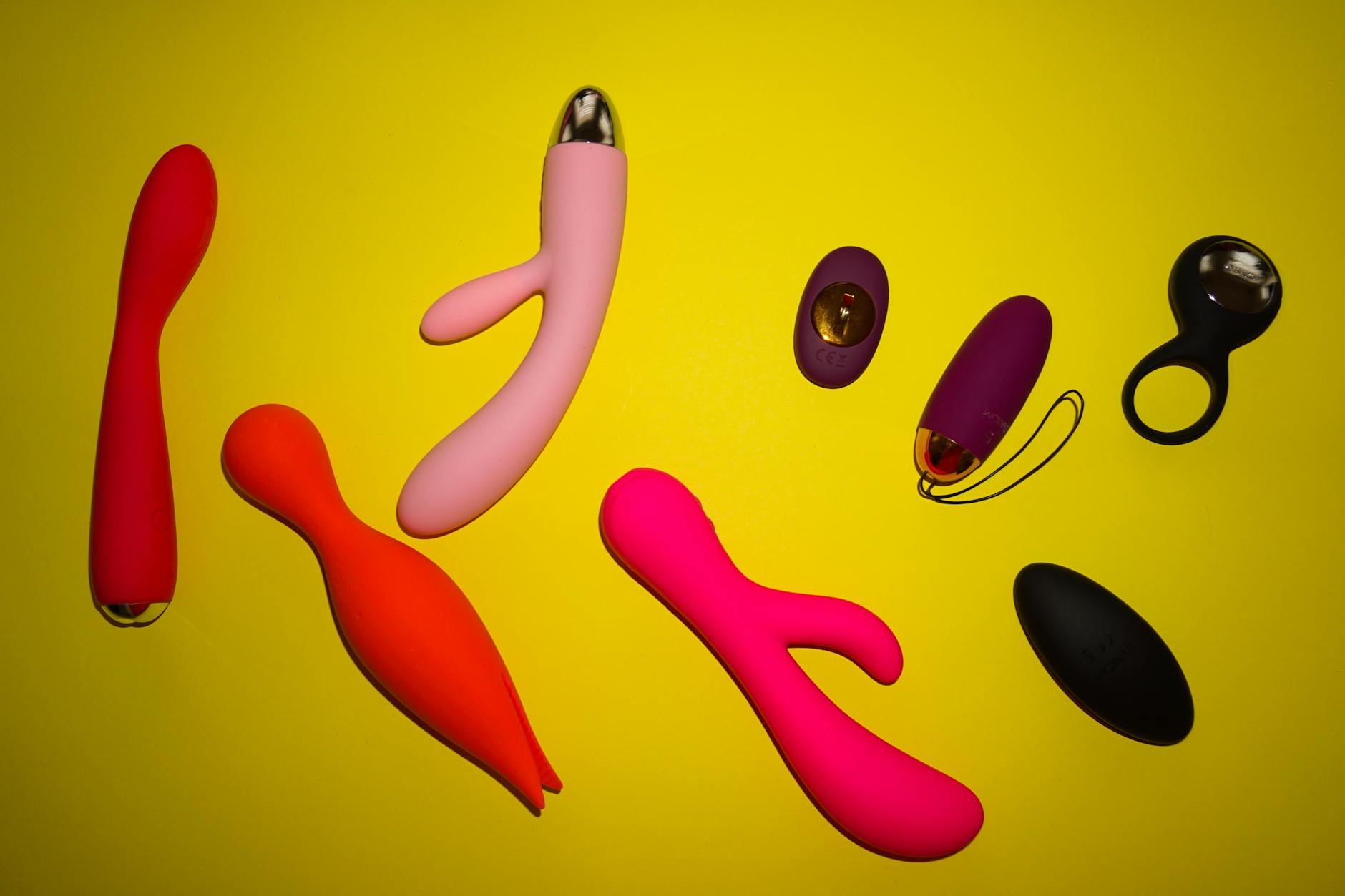
Here's the thing: couples who bring lemon vibrators back into their intimate life after becoming parents aren't trying to recapture their twenties. They're being pragmatic. They're saying yes to pleasure in the time they actually have, instead of waiting for the perfect two-hour window that doesn't exist anymore.
Why the awkwardness kicks in after kids
Three forces collide. First, your body isn't the same. Pregnancy, birth, breastfeeding, sleep deprivation, hormonal shifts. You might not recognize your own touch reflexes. Second, your mental space is fractured. Even when you're physically with a partner, part of your brain is always listening. Is that a cough? Did I pack the right snack? The cognitive load is relentless.
Third, and this is the one most couples skip over, you've lost the vocabulary. You haven't touched each other without purpose in months. Affection has become functional. The vulnerability of asking for pleasure again feels strange after you've both been in survival mode.
Add it together and physical touch becomes a negotiation instead of a reflex. Lemon vibrators short-circuit that negotiation. They give you permission to be selfish for ten minutes.
The practical reset: timing and permission
Forget the date night fantasy. That's not the move here. Instead, treat lemon vibrators like a scheduled maintenance check, not a luxury. Sunday afternoon while someone's watching a show. Ten minutes after kids go to bed. Lunch break with the door locked.
Shorter, more frequent beats feel less precious and therefore less pressured. You're not storing all your sexual capital for one perfect evening. You're taking small withdrawals regularly.
The second piece is permission. One partner needs to explicitly say: "I'm going to use the lemon vibrator. You can be here, touch me, watch, or leave the room. Whatever works." No negotiation, no performance, no performance anxiety about the performance anxiety.
This sounds clinical because it is. But clinical beats awkward every time.
What lemon vibrators actually solve for here
Lemon clitoral vibrators like the Lem Sucker do something specific for post-parent couples: they replace foreplay that doesn't have time to happen. Arousal takes longer when you're tired and mentally scattered. You need something that works efficiently without feeling rushed or mechanical.
The suction design of lemon vibrators means you don't need a long wind-up. You can go from clothed to aroused in three minutes without a lot of fiddling or explanation. For people whose bodies have been touched constantly by children all day, that direct stimulus is actually clarifying. It wakes up the nervous system in a way that gentle touch sometimes can't.
If you've been hesitant about vibrators because you worry they'll feel performative or fake, remember this: you're not trying to re-create foreplay here. You're trying to access pleasure on a schedule that parenthood allows. The lemon vibrator isn't replacing your partner. It's replacing the forty-five minutes you don't have.
Starting again when it feels weird
Don't lead with the vibrator. That can feel like "we're broken, I need equipment." Instead, start with permission to touch at all. A five-minute window where you both just exist in the same physical space without purpose. No kids, no phone, no agenda.
When that starts to feel normal again, introduce the vibrator as a tool, not a replacement. "I want to feel good for ten minutes. Want to sit with me?" That's the whole conversation. Your partner can read, doze off, touch you, or hold your hand. The point is you're both present and the shame is gone.
Many couples find that once one person uses the vibrator without drama or secrecy, the other gets curious. When pleasure isn't hidden, it's contagious.
The re-entry for both partners
If both of you are returning to sex after years of lower frequency, lemon vibrators work differently for each of you. For the person with a vulva, it's the direct access to pleasure without a long ramp-up. For the partner, it can be a chance to see their partner aroused and feel desire again without the pressure to perform specific ways.
Some couples use the lemon vibrator together, one person focused on pleasure while the other watches or touches them or helps set the pace. Some take turns. There's no rule here except consent and curiosity.
The awkwardness lifts fastest when you stop treating pleasure as something you're "supposed" to want and start treating it as something you're allowed to want. Lemon clitoral vibrators make that permission concrete. You're not waiting for the mood. You're creating it on a schedule that works.
When to ask for professional support
If the awkwardness is rooted in resentment rather than logistics, a vibrator won't fix it. If one partner feels invisible or the relationship has drifted beyond tired-parent fatigue, that's a conversation for a couples therapist, not a toy. Vibrators work best when the underlying relationship is intact and the barrier is purely mechanical.
But if you're both willing and the issue is just time, energy, and lost touch, lemon vibrators are genuinely practical. They're not romantic. They're honest. And sometimes honest is sexier than any candle or playlist.
What makes this different from before kids
You might have used vibrators before. You might have had longer foreplay, more spontaneity, more mental presence. That's not coming back exactly. But something else does: permission. Parenthood teaches you that your pleasure is not a luxury. It's a necessary part of staying sane, staying connected, staying yourself.
When you use a lemon vibrator now, you're not trying to recapture the past. You're being realistic about the present and choosing to show up for yourself and your partner anyway. That's not the same as the pre-kid version. It's actually more intentional.
Most couples I work with find that introducing lemon vibrators after kids shifts something deeper. It's not just about the ten minutes of pleasure. It's about the conversation that happens after. "That was nice." "Yeah." "Let's do that again next week." Suddenly you're making plans to feel good together. And that's what rebuilds the rest of it.
People also ask
Can we use a lemon vibrator if we haven't had sex in months?
Yes, absolutely. Start with just holding it, no pressure to use it. Many couples find that having a vibrator nearby actually makes it easier to move toward touch because there's less performance pressure. You're not trying to be spontaneous or sexy. You're just taking ten minutes to feel something pleasant. That's often the gateway back.
Will using a lemon vibrator make my partner feel inadequate?
Only if you keep it secret or frame it as a replacement. If you introduce it as a tool for your pleasure (which is a you thing, not a them thing), most partners feel relieved. It takes pressure off them to be everything. And many find they enjoy watching or being part of it. The shame is what creates inadequacy. Openness is what dissolves it.
How often should we use lemon vibrators if we're rebuilding intimacy?
Start with once a week or every two weeks, whatever feels sustainable without adding another obligation to the calendar. The goal is consistency, not frequency. One intentional ten-minute session beats waiting three months for the "right moment." As you both feel more comfortable, it usually naturally increases.
Is it weird that I enjoy the vibrator more than partnered sex right now?
No. Your body knows what it needs. Partnered sex carries emotional weight and performance anxiety. A vibrator is just sensation. Both are valid. Many people find that once they remember what pleasure feels like solo, they want more partnered intimacy again. It's like your body wakes up and says, "Oh right, I like this."
Should we talk to our kids about owning a vibrator?
Not unless they ask, which they won't. Keep it private the same way you keep your relationship private. Kids understand that parents have a separate grown-up space. Locked drawers are normal. What matters is that you and your partner know it's there and you're both okay with it. Privacy and normalcy teach kids more than detailed explanations ever could.
Can lemon vibrators help if one partner has lost libido after becoming a parent?
Sometimes. If the loss is purely physical exhaustion or hormonal, yes. Vibrators can help reactivate the nervous system. But if it's rooted in resentment, burnout about unequal labor, or disconnection, that's a deeper conversation. A good couples therapist can help untangle what's actually happening. But starting with permission and a low-pressure tool is usually a good first step.
Parenthood doesn't have to mean the end of your sex life. It does mean choosing a different version of it. One that fits the reality you're living instead of the life you wish you had. Lemon vibrators are tools for that realistic version. They're not magic. But they're honest. And for most couples rebuilding touch after kids, honest is exactly what works.