Recovery doesn't follow a timeline. You might have been told six weeks, three months, or a year. Your body has other ideas. Pleasure especially doesn't work on schedules. It returns in fits and starts. One day you feel something. The next day, nothing. It's not a setback. It's just what healing actually looks like.
Most guidance around intimacy and recovery operates on a false assumption: that once you're medically cleared, pleasure should just switch back on. It doesn't. Whether you're recovering from surgery, trauma, illness, or a combination of all three, your nervous system needs time to rebuild trust. Lemon vibrators can be part of that process, but only if you understand what they can and cannot do.
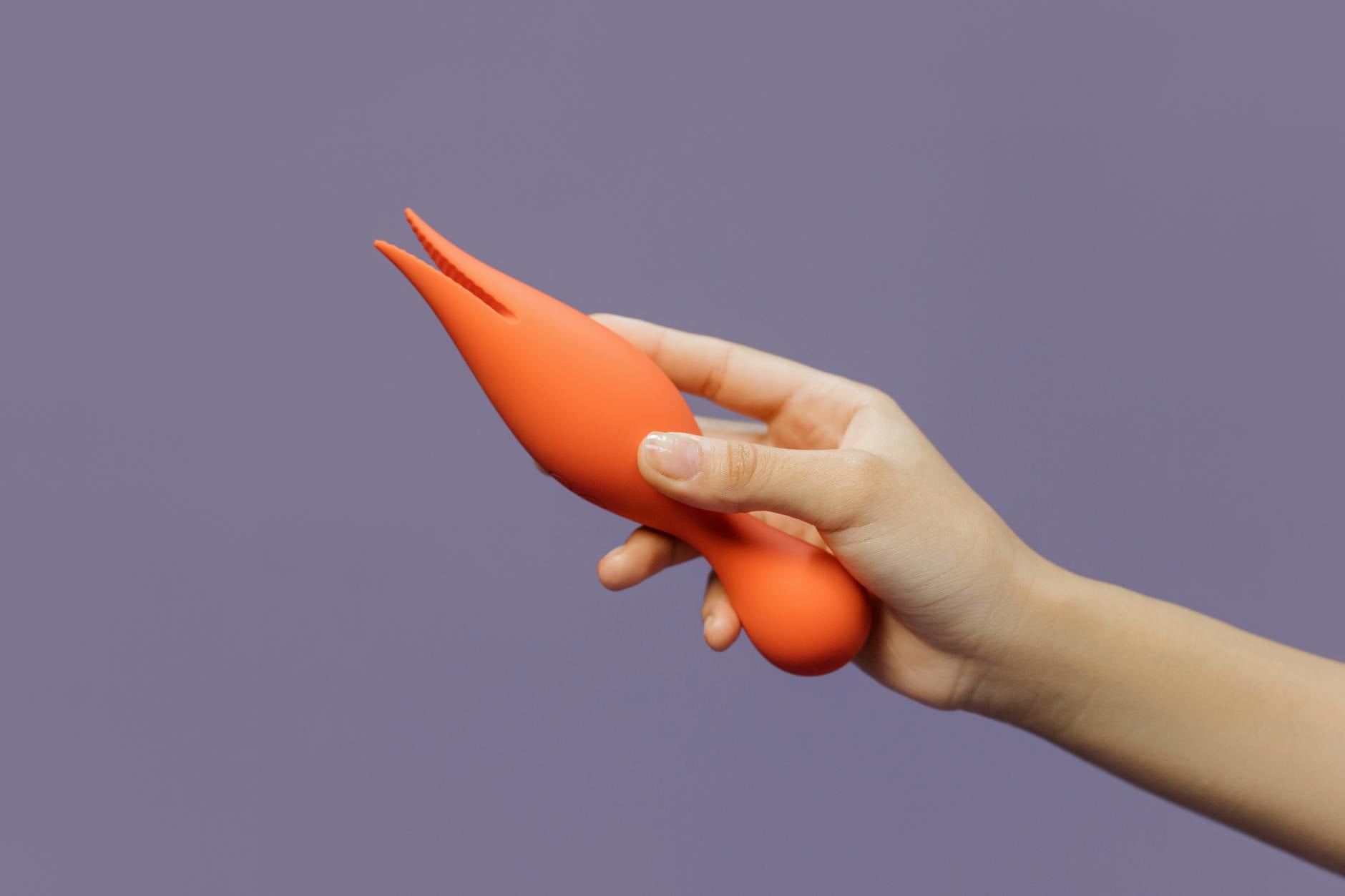
I work with people through this transition constantly. The thing that shifts everything is permission to go slowly. Absurdly slowly. Slower than feels like progress. That's where tools like the lemon clitoral vibrator become genuinely useful.
Your body isn't being difficult. It's being protective.
When you've experienced medical trauma, physical pain, or emotional violation, your nervous system learns to guard your pleasure zones. This isn't a flaw. It's survival. Your brain is saying, "I need to make sure this is actually safe before we do that again." That caution lives in your body whether or not your mind has rationally accepted the all-clear.
Three things slow down pleasure return more than anything else.
First, disconnection. Pain teaches you not to feel. If you've spent weeks or months in a state where sensation meant something was wrong, your body becomes skillful at numbing down. Rewiring that takes time. You're literally teaching your nervous system that sensation can mean something good again.
Second, anticipation anxiety. You might worry that pleasure will hurt, or that your body will fail you, or that you're broken in some permanent way. That mental loop is as physical as scar tissue. Your pelvic floor tightens. Your breath stays shallow. Arousal can't build on top of tension.
Third, the comparison trap. Pleasure before and after recovery often feels different. Maybe less intense. Maybe more localized. Maybe requiring more time. Your brain wants it to feel the way it used to, and when it doesn't, there's a flash of grief and then frustration. That emotional whiplash halts the whole process.
None of these are your fault. They're just the architecture of recovery.
Here's the counterintuitive part: don't start by chasing orgasm. Start by chasing sensation.
Sensation and arousal are different things. You can feel texture, temperature, and vibration without your body entering a state of sexual readiness. This distinction matters hugely in recovery because it gives your nervous system a way to practice feeling without the pressure of performance.
With a lemon clitoral vibrator, this means starting at the lowest settings in contexts that have zero sexual pressure. I have clients who begin by using the lemon on their inner arm or thigh just to reacquaint their body with what vibration feels like. Some use it through clothing. Others explore it during a relaxing bath or while reading, with no expectation of arousal.
The goal is to send your nervous system a repeated message: sensation is safe here. Nothing has to happen. I'm just noticing.
Lemon clitoral vibrators have two design features that make them particularly useful during recovery.
First, the suction mechanism is gentler than direct vibration. Suction stimulates nerves without the same mechanical pressure, which matters if your tissue is still healing or hypersensitive. You can start at settings one or two, which feels like a sustained gentle pulse rather than aggressive buzzing. That matters psychologically too. It feels less clinical, less like something is being done to you.
Second, the shape creates a seal that gives you a sense of containment and control. You're not holding something that requires fine motor coordination or positioning. You can use it lying down, fully clothed, without any of the logistical friction that makes recovery feel effortful.
For people moving through recovery, that ease of access removes one more obstacle to trying. Which sounds small until you realize that you're already dealing with anxiety, numbness, and probably some physical tenderness. Removing friction from the tool means you're not fighting the tool on top of everything else.
Week one to two: Sensation without expectation. Use the lemon on the lowest setting for two to three minutes every other day, on areas that feel safely numb or distant from the main recovery site. Arm, collarbone, or the outer side of the thigh works well. The point is just to prove to your nervous system that vibration still exists and feels okay.
Week three to four: Slow approach. If the above felt fine, move closer to your genital area, but stay external and clothed or partially clothed. Again, lowest setting, two to three minutes, no goal. You're mapping sensation territory, not pursuing orgasm.
Week five onwards: If arousal appears, don't chase it. Notice it. Let it build or fall away naturally. Use the lowest to mid-range settings. Stop if anything feels painful or if you slip into pressure. This isn't about powering through. This is about learning to trust your body's own signals again.
The timeline here isn't universal. I have clients who move through this in six weeks. Others take six months. The progression is the template. Your body's actual pace is the real timeline.
Impatience with yourself. You expect pleasure to feel the way it did before, on the same schedule. When it doesn't, you interpret that as failure. It's not. It's healing. The thing that helps: set your expectations around sensation and relaxation, not arousal or orgasm. Those might come. They might take longer. Both are fine.
Partner pressure, even unspoken. If your partner is waiting for you to be ready, there's pressure whether they voice it or not. You feel it in your body as tension. The conversation that changes this: separate their readiness from your timeline. You can say, "I'm working on this for me, not to get back to what we had. I don't know when that will be. Thank you for waiting." How to Use Lemon Vibrators When Communication Feels Awkward With Your Partner addresses this dynamic in depth.
Comparing your recovery to anyone else's. You read a forum post about someone who was fine in eight weeks and think you're slow. You're not slow. You're you. Recovery timelines say almost nothing about prognosis. They say everything about individual nervous systems, trauma history, and support systems. Your pace is your pace.
Treating the lemon as a fix instead of a tool. It's not a treatment for delayed pleasure. It's a way to safely explore sensation while you're healing. If pleasure isn't returning and it's been many months, you might need a trauma-informed therapist or a sex therapist in addition to, or instead of, a vibrator. Tools and professional support aren't either/or.
If at any point using the lemon causes pain, numbness, or a flashback response, stop. Not forever. Stop this session. Your body is telling you it's not ready yet. That's information, not failure.
Similarly, if you've been following this progression for months and arousal still isn't showing up, check in with a pelvic floor physical therapist or a trauma-informed sex therapist. Sometimes there's a physical barrier like scar tissue. Sometimes your nervous system needs a different kind of support. Professional input isn't giving up. It's meeting yourself where you actually are.
Recovery often means pleasure feels different, not just delayed. It might be more localized. Less full-body. Quieter. That's not worse. It's just different. And in some cases, it's actually more intense because it's coming from a place of genuine present sensation rather than the automatic response you had before.
Some of my clients report that their pleasure is slower, smaller, and infinitely more meaningful once they move through recovery fully. That's not consolation language. That's what actually happens. Because you had to rebuild sensation from the ground up, you know exactly where feeling lives in your body. You're not performing. You're present.
That takes time to get to. And it's worth the time.
How long should I wait after surgery or trauma before using any vibrator?
Always follow your doctor's clearance, which is usually four to six weeks for most surgeries. For emotional or sexual trauma, there's no medical timeline. You can explore sensation whenever it feels emotionally safe, starting with the gentlest approaches. Go at your own pace, not a prescribed one.
Can lemon vibrators help with numbness in the clitoral area?
Yes, gently. Numbness often comes from nerve protection rather than nerve damage. Light stimulation at low settings can help signal to your nervous system that sensation is safe again. But this takes weeks, sometimes months. Patience is the actual treatment.
What if my partner wants to use a lemon vibrator with me during recovery, but I'm not ready?
That's a conversation about timing and autonomy. You might say, "I need to relearn my own sensation first. Once I feel safe with this solo, we can explore it together." How to Use Lemon Vibrator Suction in Couples Foreplay Without Losing Connection offers language for this.
Is it normal for pleasure to feel different after recovery?
Completely normal. Your body has been through a reset. Pleasure might feel softer, more concentrated, or require more time to build. That's not a sign something went wrong. That's just your nervous system's new baseline. It often becomes richer than before.
Should I use lube with a lemon vibrator during recovery?
Yes, even if lubrication seems fine. Recovery often means tissues are more sensitive or slightly fragile. Water-based lubricant reduces any friction and adds an extra layer of safety signal to your nervous system. It says, "This is gentle. This is taken care of."
What if I feel guilty for wanting pleasure during recovery?
Grief and pleasure often live in the same moment during recovery. You might feel guilty for moving forward, or angry that you have to rebuild something you already had. Those feelings are real and they don't mean you shouldn't pursue pleasure. They just mean you're human. Consider talking with a therapist who specializes in recovery and embodiment if those feelings become blocking.
Recovery isn't about getting back to baseline. It's about building a new relationship with your own sensation. Lemon vibrators can be part of that journey, but only if you use them as a gentle exploration tool, not a fix. Your timeline is yours. Your pace is right. And pleasure, when it returns, will mean something different than it did before. That's not a loss. That's maturation.
If you need help navigating this conversation with your partner or therapist, reach out. Contact us and we'll point you toward resources that match where you actually are in recovery.