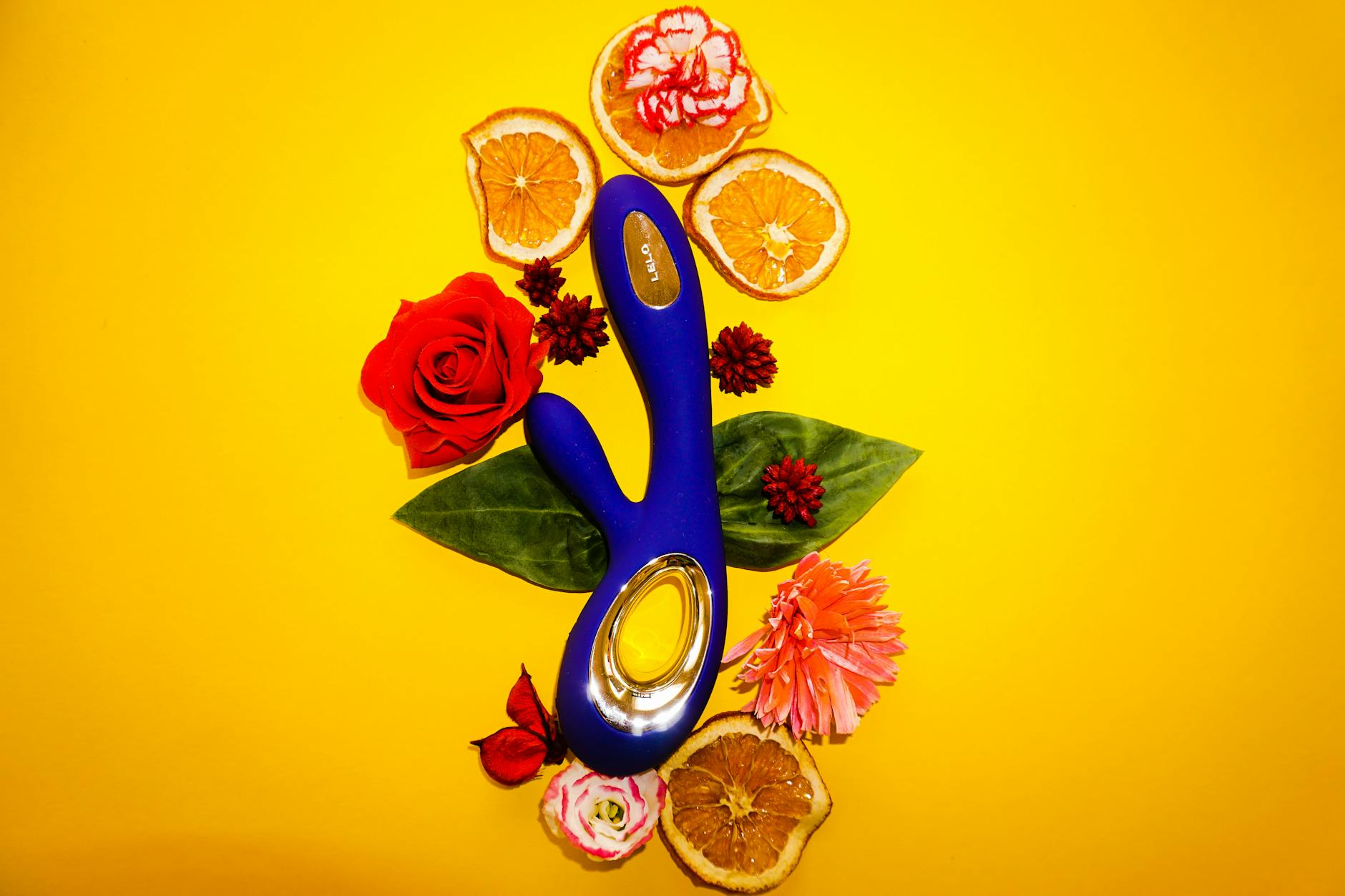
How to Use Lemon Vibrators When Vaginal Lubrication Decreases With Age
Let's be real. Lubrication changes with age. It happens to most people at some point, and when it does, the first thing people assume is that their lemon clitoral vibrator isn't working anymore. It is. Your body just changed the conditions.
Here's what's actually happening physiologically, and how to adjust so your sensation stays exactly where you want it.
Why lubrication decreases and what that means for pleasure
Estrogen production naturally declines over time, especially as you move through perimenopause, menopause, and beyond. Lower estrogen means the vaginal tissues produce less natural moisture, and the tissues themselves become thinner and less elastic. This is called genitourinary syndrome of menopause (GSM), though it can start happening earlier than you'd expect.
Here's what people get wrong: they think less lubrication means less sensation. It doesn't. It means different sensation. The clitoris has the same nerve density it always did. Suction from a lemon vibrator still works exactly the same way. What changes is friction, comfort, and how arousal builds.
My clients often report that once they adjust their approach, their orgasms feel just as strong. Sometimes stronger, because they're not distracted by discomfort.
The lube equation: why water-based is non-negotiable
First thing: lubrication isn't optional anymore. You might have been able to skip it before. Now it's foundational.
Water-based lubricant is your default choice. Silicone-based lubes feel richer and last longer, but they can degrade silicone toys over time. Your lemon vibrator is silicone, so water-based keeps it intact. Coconut oil feels luxurious but can promote bacterial growth and damage condoms if you use them. Stick with water-based.
Apply it generously. Not a polite amount. A real amount. Coat the entire external area before you start, and reapply halfway through if sensation drops. Your tissues need that protective barrier, and it directly impacts how the suction feels.
How reduced lubrication changes your lem vibrator technique
Your lemon vibrator's suction works by creating gentle negative pressure against the clitoris. When natural lubrication is lower, you need to think about how that suction makes contact.
Three technical shifts that matter:
Start on the lowest setting. If your device has multiple intensity levels, begin on setting 1 or 2. Thinner tissue is more reactive to stimulation. What felt gentle before might feel intense now. You can always increase it. You can't undo a sudden jump in sensation.
Build lubrication depth first. Spend 5 to 10 minutes warming up with your hands or a partner before you bring the lemon vibrator into the picture. Arousal itself triggers whatever lubrication your body can still produce, and it primes the tissue for the sensation you want. This warm-up time is not wasted time. It's essential.
Find the sweet spot for contact. The clitoris isn't always in exactly the same position, especially if tissue tone has changed. You might need to angle the device slightly differently or adjust how far in you insert it. The sensation should feel pleasurable, not sharp or burning. If it stings, pause, apply more lube, and try a different angle.
Adapting your routine when arousal takes longer to build
Something else shifts: arousal itself might take longer to build. This isn't a sign that your desire is broken. It's a biological fact. Reduced blood flow to the pelvic area means the arousal response is slower and subtler.
Budget more time. Where you might have been satisfied in 10 minutes, plan for 15 to 20. Use that time intentionally. Vary stimulation. Start with external work, maybe with your hands or a partner's touch. Then bring in the lemon vibrator. Alternate between suction and stroking. Let your body warm up.
Many people find that splitting a session into phases works better. Five minutes of external suction. Pause. Shift to partnered touch or your own hands for a few minutes. Return to the device. This variation keeps sensation sharp and prevents the mental fatigue that comes with relentless, unchanging stimulation.
Communication with a partner when things shift
If you're partnered, this is the moment to have a specific conversation. Separate the two threads: "My body is responding differently" is not the same conversation as "I need us to reconnect." Many couples tangle them together and end up frustrated.
Tell your partner what helps. Longer foreplay. Specific angles. More lube. Which lemon vibrator settings feel best. Whether you want them involved in the stimulation or whether you'd rather handle the device while they focus on touch or intimacy elsewhere. These are technical conversations, not emotional critiques.
The paradox: being specific and practical about the logistics often makes the experience feel more emotionally intimate, not less. You're solving a problem together instead of pretending it doesn't exist.
When to reach for topical estrogen therapy
If you're consistent with lube, warm-up time, and technique adjustments and sensation still feels muted or painful, talk to a doctor. Topical estrogen creams applied directly to the vaginal tissue can restore lubrication and tissue thickness significantly. Most people see results within two to four weeks.
Topical estrogen is different from systemic hormone replacement therapy. The absorption into your bloodstream is minimal. If you have concerns about HRT, this is worth discussing as a separate option. Many people who are hesitant about systemic hormones find topical treatments straightforward and effective.
The mindset shift that makes everything easier
Here's the part that matters most: aging bodies aren't broken bodies. They're different bodies. Different doesn't mean worse. My practice includes people in their 50s, 60s, and beyond who describe their most satisfying sexual experiences happening after lubrication changes forced them to slow down and pay attention.
The pressure to perform without adjustments vanishes. You're not trying to replicate something from your 30s. You're discovering what works for your body now. That's freedom.
Keep your lemon clitoral vibrator. It's not the problem. Adjust your approach, use lube like your comfort depends on it (because it does), and give your body time to respond. The pleasure is still there.
Frequently asked questions
Can I use my lemon vibrator if I'm on antidepressants that affect lubrication?
Yes, and the same toolkit applies. Antidepressants like SSRIs can reduce natural lubrication as a side effect, independent of age. The strategy is identical: generous water-based lube, longer warm-up time, lower intensity settings initially, and patience with the arousal build. If lubrication is severe, mention it to your prescriber. Sometimes switching timing (taking the medication at night instead of morning) or adjusting the dose helps, but don't stop anything without consulting your doctor first.
Does water-based lube dry out faster than silicone lube?
Yes, water-based lube does dry faster because water evaporates. Reapply it mid-session if you notice friction returning. Some people keep a water bottle nearby and refresh their water-based lube every 10 to 15 minutes during longer sessions. It sounds annoying but becomes automatic quickly, and it solves the friction problem entirely.
Will using a lemon vibrator with reduced lubrication damage my tissues?
No, not if you're using plenty of water-based lube and starting gently. The combination of adequate lubrication and low-intensity stimulation protects tissue. Pain or stinging is your signal to pause, add more lube, and lower the intensity. Your body will tell you if something is wrong. Listen to it.
Is reduced lubrication a reason to stop having sex entirely?
Absolutely not. It's a reason to shift your approach. Lubrication decreases with age, but pleasure does not. The clitoris still has full nerve density. The capacity for orgasm is intact. Your lemon vibrator works. You're just adapting the conditions to match your body's current reality.
Can I combine lube with other stimulation to build sensation faster?
Yes. Layer stimulation. Use your lemon vibrator on your clitoris while a partner provides manual stimulation elsewhere. Alternate between the vibrator and manual touch. Change the angle of the device. Vary the intensity setting. Combine internal and external sensation if that appeals to you. Layered stimulation often feels more intense than any single source of stimulation alone.
Should I use extra-thick lubes if regular water-based feels thin?
Try a thicker water-based formula first. Brands make water-based lubes in different viscosities. A thicker water-based option often feels more protective without the tissue-damage risk of silicone. If regular thickness isn't enough, a hyaluronic acid-based lube is designed specifically for people with low natural lubrication. It mimics the body's own lubrication chemistry and feels luxurious without the durability issues of silicone products.
The takeaway
Reduced lubrication is a physical change, not a limitation. Your lemon clitoral vibrator is still your tool. Your pleasure is still real. Adjust your technique, use lube, give yourself time, and stay patient with your body. That's the whole equation. Everything else flows from there.
If you want personalized guidance on navigating these shifts with a partner, reach out. We can work through the conversation piece together.