Let's name the tension nobody wants to discuss
You want sex twice a month. Your partner wants it twice a week. Neither of you is wrong. Neither of you is broken. And yet somehow this mismatch has become the quiet thing that sits between you both at dinner, the unspoken weight that makes you tense when they reach for you in bed.
Here's what most couples don't realize: desire discrepancy isn't a relationship problem. It's a normal human variation. The problem is what we do with the guilt, resentment, and avoidance that pile up around it.
Why the mismatch feels worse than it is
When someone has a higher sex drive, there's often an undercurrent of rejection. They internalize lower desire as "you don't want me." When someone has lower desire, they feel pressured and resentful, which kills arousal further. It's a feedback loop that gets worse the more you avoid talking about it directly.
Add to that the cultural narrative that says a healthy relationship means matching libidos, and you've got shame on both sides. The higher-desire partner feels like they're too much. The lower-desire partner feels like they're not enough. Neither of these stories is true, but they're powerful enough to damage intimacy.
The data is clear: couples with significant desire differences report lower relationship satisfaction overall. But the satisfaction doesn't drop because of the difference itself. It drops because the difference goes unnamed and unmanaged.
What lemon vibrators actually solve here
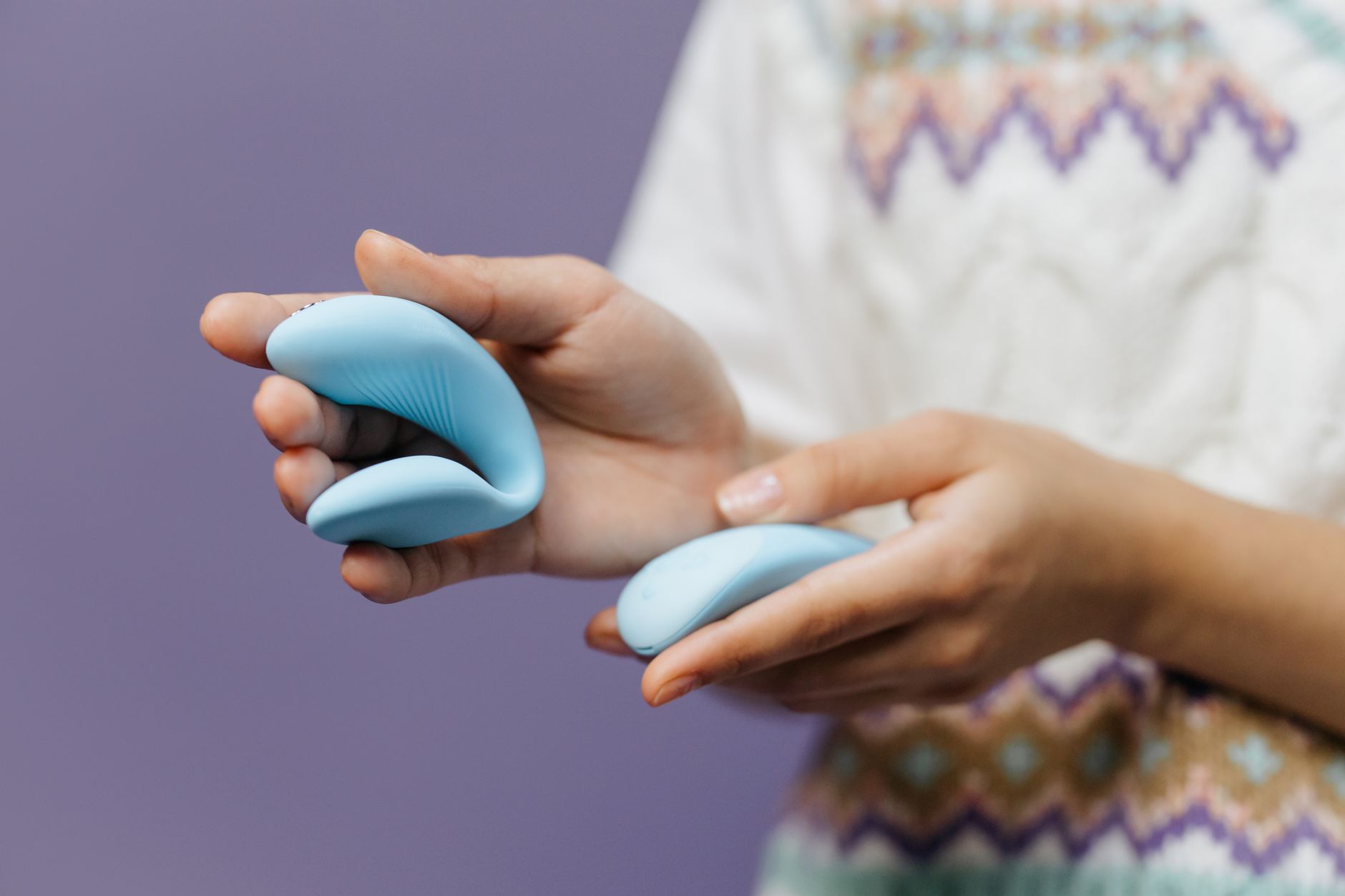
I recommend clitoral vibrators like those from Lem Sucker to clients with desire discrepancy for a specific reason: they bypass the pressure dynamic entirely.
When your partner initiates and you're not feeling it, you have three options. Option one is to say no, which creates rejection and resentment. Option two is to say yes out of obligation, which teaches your brain that sex is a chore. Option three is to have a third option.
That third option is something like this: "I'm not quite there yet, but I'd love to spend time together. What if I use the Lem and you stay with me?" This isn't a polite deflection. It's actual intimacy. You're choosing connection. You're choosing pleasure. You're just choosing to get there differently than they are.
A lemon clitoral vibrator changes the entire frame. Instead of "Why can't you want me the way I want you," the conversation becomes "How do we both get what we need right now?" That shift is everything.
The practical setup that actually works
Here's what I tell couples to try:
Start with a conversation outside the bedroom. Not during sex, not in a heated moment. Over coffee or a walk. Say something like: "I've been thinking about our rhythms being different, and I don't want that to keep building distance between us. I want to figure out something that works for both of us."
Then name it clearly. If you have lower desire, explain what that means for you specifically. Is it exhaustion? Stress? Medication? Disconnection from your body? A history you're still processing? Most people with lower desire have never actually articulated this to their partner. They just keep saying "I'm tired." Say the thing underneath.
Once you've talked, agree on a framework. It might look like this: "Some nights we'll have sex together the way we usually do. Some nights you initiate and I use a lemon vibrator while you're involved. Some nights we both do our own thing." Having options removes the pressure inherent in every single encounter.
In the moment, make it sensual, not transactional. Don't use the vibrator while scrolling your phone or thinking about tomorrow's meeting. Set a mood. Use lube. Take time to warm up. Let your partner watch, touch you, or simply be present. This isn't about finishing fastest. It's about pleasure and connection coexisting.
The Lem's suction design is particularly useful here because it requires less direct friction than traditional vibrators, which means you can use it for longer without numbness or overstimulation. Build to your own rhythm, not theirs.
What changes when you normalize this
Something shifts in the relationship when you stop forcing yourself into their timeline. The anxiety lifts. The guilt lifts. You stop saying yes when you mean no. You also stop saying no when you might actually want yes, because the pressure is gone.
I've worked with couples where the lower-desire partner actually experienced an increase in baseline arousal once they stopped being in constant resistance mode. Your brain doesn't want sex when it's fighting. It wants sex when it feels safe and chosen.
For the higher-desire partner, there's relief too. They're no longer chasing or negotiating. They're not lying awake wondering if they're the problem. Instead, they get regular physical intimacy, even if the shape of it sometimes looks different. That's genuinely what most higher-desire partners actually want. Not coerced sex. Not obligation sex. Just reliable, honest connection.
The conversation about deeper disconnection
Before I close this out, I want to flag something. Sometimes desire discrepancy is about libido. Sometimes it's about anger, resentment, or emotional distance doing the heavy lifting.
If you're avoiding sex because you don't feel heard in the relationship, or because they hurt you and you haven't processed it, or because you're in a disconnected phase and haven't acknowledged it, then a vibrator won't fix that. What you need first is to name the real issue and, likely, get some support addressing it. A clitoral vibrator is a tool for managing desire differences, not for papering over relationship fractures.
But if you genuinely have different baseline desires and you're both committed to the relationship, tools like lemon vibrators give you a way forward that doesn't require either of you to contort into someone you're not.
FAQ: The questions couples actually ask
Can using a vibrator increase my sex drive overall?
Not automatically. What a vibrator can do is help you explore your own arousal patterns without external pressure. When you're not stressed about meeting someone else's timeline or managing their disappointment, you often discover you want sex more than you thought. But that's about removing friction, not about the vibrator itself being a magic solution.
Will my partner feel rejected if I use a vibrator instead of having sex with them?
Possibly, if you haven't talked about it first. That's why the conversation matters. If you frame it as "This is something I want to explore when my desire is lower, and I want you involved," it becomes a shared experience instead of a workaround. If you hide it or use it to avoid connection, yeah, it can breed resentment.
What if they want penetrative sex and I want clitoral stimulation? Can we both get what we need?
Absolutely. You can use a lemon vibrator on your clitoris while they're inside you, or before, or after. You can also have sex one way sometimes and a different way other times. This goes back to the framework conversation. You're allowed to want different things. You're also allowed to negotiate and compromise.
Does having different sex drives mean we're incompatible?
Not inherently. Incompatibility is about whether you're willing to work with differences, not about whether differences exist. I've worked with couples who had a five-times-per-week versus once-per-week desire gap who built a genuinely strong sex life. The couples who struggled were the ones who saw the gap as a character flaw instead of a logistics problem.
How do I stop feeling guilty for not wanting sex as often as my partner?
Start by separating their feelings from your responsibility for their feelings. You are not responsible for managing their disappointment about your libido. You're responsible for being honest about yours and for working collaboratively on solutions. Guilt is often what keeps people trapped in obligation, which kills desire faster than anything else.
Should we try couples therapy if our sex drives don't match?
Not automatically, but it's worth considering if the mismatch is causing significant conflict or if there's a deeper relational issue underneath. A good relationship therapist can help you communicate about desire without shame and can rule out whether the mismatch is about actual libido or about something else, like unprocessed anger or disconnection.
The actual solution is honesty
Mismatched libidos are solvable. What's not solvable is a lie about desire. You can't fix what you won't name. You can't build intimacy on obligation. You can't sustain resentment and also sustain sex.
What you can do is look at your partner and say: "This matters to me. You matter to me. Let's figure out what actually works for both of us." Then get practical. Set boundaries. Try new approaches. Use tools like lemon vibrators. Have the awkward conversations.
Your desire mismatch doesn't mean your relationship is broken. It just means you have to be more intentional about building a sex life that works. And honestly? That intentionality often makes the sex better than it was before, not worse.
If you're struggling with this dynamic and feel stuck, reach out. We can talk through what might work for your specific situation.
Contact Lem Sucker if you'd like guidance on navigating desire differences with resources and support.