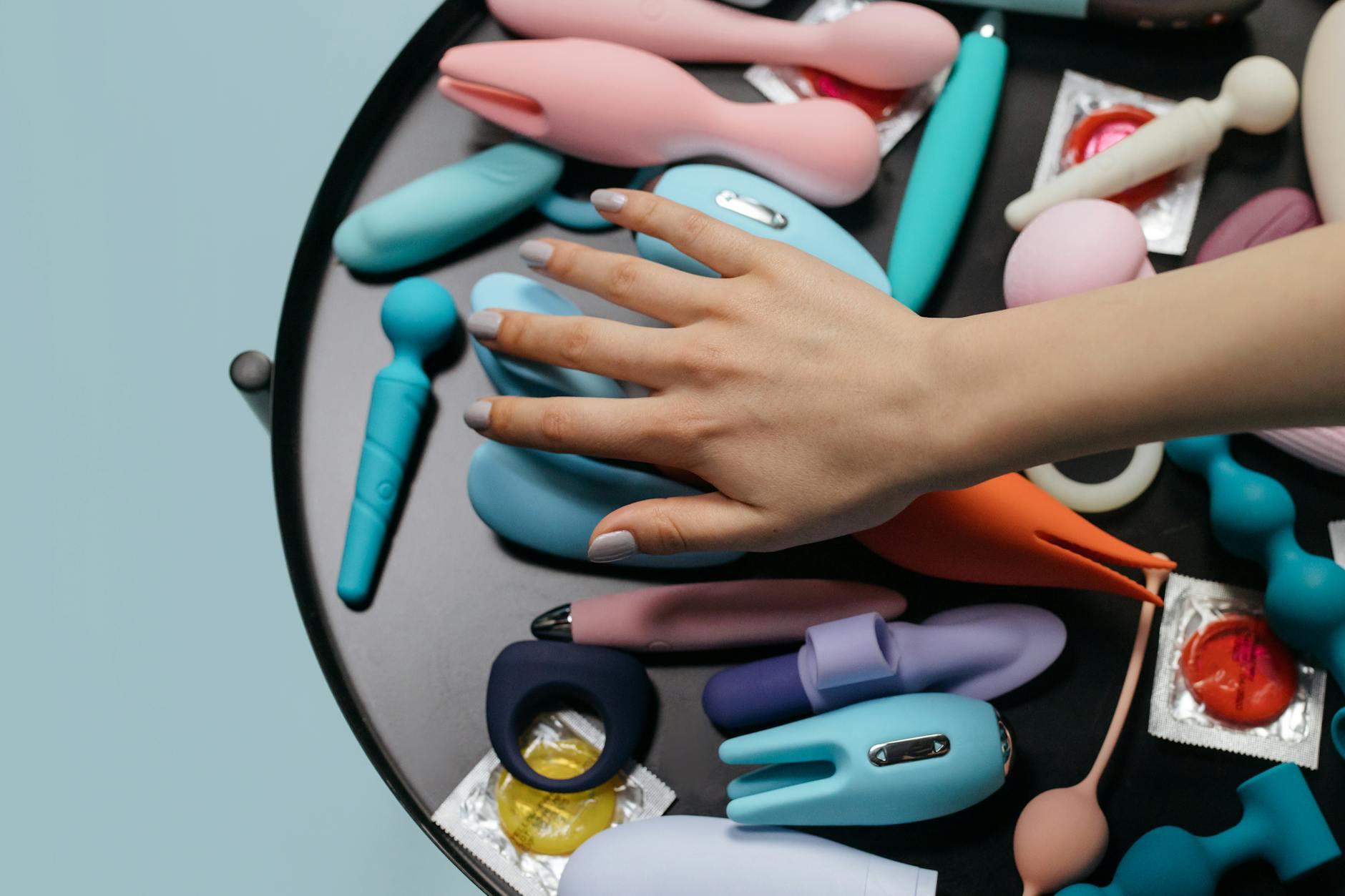
Let's name what's happening
Your partner doesn't touch you anymore. Maybe they never did much. Maybe it started gradually. You've learned not to initiate because the rejection, while unspoken, stings enough that you stopped asking. You're not broken. You're not asking for too much. You're a person with a body in a relationship where physical intimacy has become optional for one person and impossible to ignore for the other.
This is one of the loneliest configurations a partnership can take. And here's what I tell people in this position: your pleasure doesn't have to wait for their readiness.
Why avoidance happens (it's not about you)
Avoidant patterns in relationships stem from dozens of places. Past trauma, anxiety, depression, stress, low self-esteem, a mismatch in desire, or simply a different attachment style. The reason matters diagnostically, but here's what matters for your body right now: their avoidance is not your fault, and it is not your responsibility to fix.
What often happens instead is this: you shrink. You stop wanting. You numb out. You decide your pleasure doesn't matter because asking for it creates conflict. You become smaller.
Lemon clitoral vibrators, and specifically lemon sucker-style toys, bypass that entire cycle. They give you back agency in a relationship where you've been waiting for someone else to grant you touch.
The solo pleasure conversation is separate from the intimacy conversation
Here's where a lot of people get stuck. They think: "If I use a vibrator, they'll feel inadequate. If I take pleasure into my own hands, they'll take it as rejection." Sometimes that fear is rooted in something real. Sometimes it's just the guilt that avoidance creates in the avoiding partner.
But here's the clinical truth: solo pleasure and partnered intimacy are not zero-sum. Using a lemon vibrator doesn't replace your partner. It doesn't mean you've given up on the relationship. It means you've decided your body deserves attention whether or not they're ready to give it.
The best approach is radical honesty. Not in a confrontational way. Something like: "I miss touch. I'm not waiting for you to fix this alone. I'm going to take care of my body." Full stop. No apology. No performance. No asking permission.
How to start: low-pressure vibrator use
If you're new to lemon adult toys or vibrators in general, starting with a lemon clitoral vibrator like the Lem makes sense. The suction-based design means you can control intensity with pure finesse. You're not fighting a buzzing sensation or hunting for the "right" spot.
Begin by understanding your own body without performance pressure. Set aside 20-30 minutes when you have privacy and no expectation of interaction. Start with pattern 1 or 2 on the vibrator. Let yourself explore what feels good without rushing to orgasm. Many people find that when they slow down, the entire experience changes.
Use water-based lubricant. Your body might have shut down its own lubrication if you've been avoiding sex due to rejection. That's normal and fixable. Lube makes everything more pleasurable and removes friction that can feel frustrating rather than good.
Building a solo pleasure routine
This is where things shift from "managing avoidance" to "reclaiming yourself." A routine isn't clinical. It's permission.
Pick a time that works. Maybe early morning before your partner wakes. Maybe late at night after they've gone to bed. Maybe during lunch if you work from home. This isn't sneaking around. This is honoring a need that exists whether or not your partner acknowledges it.
Create a small ritual around it. Candle, music, a specific playlist, soft lighting. Not because you need to make solo sex "romantic" in a traditional sense, but because ritual tells your nervous system: "This time is for you. Your pleasure matters." Your brain needs to hear that, especially if it's been told the opposite for months or years.
Use a lemon vibrator that fits your body and your sensory preferences. The Lem is designed to work with your anatomy, not against it. Explore different patterns. Notice what your clitoris responds to. You might find that slow, rhythmic suction does more for you than rapid vibration. You might discover you like a specific pattern you've never tried before.
Don't force orgasm. Some sessions will climax. Some won't. Both are fine. The goal is reconnection with sensation, not performance metrics.
What to do when your partner notices
Someone usually notices. A change in your mood, a vibrator in the nightstand, a pattern shift in your availability. Here's what I recommend:
Don't lie. Don't apologize. Don't oversell it as "just for you both." Simply state the fact: "I've been using a vibrator because I need physical sensation and I'm not going to wait indefinitely." You might offer an invitation: "If you ever want to join, I'm open to that." But don't make it a negotiation. Your pleasure is not negotiable.
Some avoidant partners respond with shame and then engagement. Some respond with more withdrawal. Some have a moment of clarity where they realize the relationship has become untenable. Whatever happens, it happens with honesty instead of the slow erosion that silence creates.
When avoidance signals something bigger
If your partner avoids all touch for months, if there's anger when you suggest intimacy, if the avoidance coincides with infidelity, substance abuse, or emotional hostility, a vibrator isn't the solution. You need a therapist and possibly a decision about whether the relationship is sustainable.
But if the avoidance is rooted in anxiety, depression, past trauma, or a genuine mismatch in libido, then solo pleasure plus couples therapy is a legitimate path forward. Lemon vibrators can actually help that process. They keep you grounded in your own body. They remind you that pleasure is possible even when the relationship is struggling. They give you something tangible to discuss with a therapist instead of vague complaints.
The reclamation piece
Using a lemon clitoral vibrator when your partner avoids intimacy isn't settling. It's the opposite. It's refusing to disappear. It's insisting that your body deserves sensation, that your pleasure has validity independent of someone else's desire to give it, and that you're worth the time and attention, even if nobody else is giving it right now.
Most people who start this practice report the same thing: they feel more present in the relationship, not less. When you stop begging for touch through your body language and start meeting your own needs, something shifts. You're no longer collapsing inward. You're taking up space. And sometimes that change in your energy is exactly what an avoidant partner needs to wake up and remember why they married you.
Otherwise, at least you'll know you didn't disappear waiting.
Frequently Asked Questions
How do I talk to my partner about using lemon vibrators if they're already withdrawn?
Don't make it a proposal. Make it a statement. "I'm going to start using a vibrator because my body has needs." You're not asking permission. You're informing. The conversation that matters happens later, if they bring it up. At that point, stay calm and factual. You're not attacking them. You're taking care of yourself.
Will using a lemon sexual toy make my avoidant partner feel inadequate?
Possibly. That's their work to do, not yours. An avoidant partner is already avoiding intimacy. A vibrator didn't cause that. It just makes their avoidance visible. Lean into that. Visibility sometimes creates the friction needed for change.
Can a lemon vibrator fix a relationship where touch has disappeared?
No. But it can keep you sane while you figure out if the relationship is fixable. It prevents the erosion that happens when one person's pleasure gets completely abandoned. Use it as a bridge, not a destination.
How often should I use lemon clitoral vibrators if my partner won't touch me?
As often as you need. There's no quota. Some people use them multiple times a week. Some use them once a month. Your body will tell you what it needs if you listen. The frequency doesn't matter. Consistency does. Regular pleasure signals to your nervous system that you're worth care.
Should I hide my lemon adult toys from my partner?
Not if you're trying to build honesty in the relationship. Hidden vibrators just reinforce the shame cycle that avoidance creates. Keep it somewhere private, yes. But don't act like it's a secret. When the moment comes to discuss it, you'll be prepared with honesty instead of guilt.
What if my partner gets angry when they find out I'm using a vibrator?
That anger often masks fear or shame. Avoidant partners sometimes use anger to regain control after they realize their partner has stopped waiting. Stay calm. Don't defend your pleasure. "I understand this is difficult. My body still matters." Then potentially seek couples counseling, because that level of reactive anger suggests something deeper needs professional attention.
Can using a lem vibrator help me stay in a relationship that's otherwise unhappy?
It can help you survive it while you decide. But it's not a substitute for the intimacy or emotional connection you actually need. If six months of solo pleasure leaves you more lonely rather than less, that's information. Pay attention to that signal.