Let's start here: pleasure after trauma is possible
Let me be direct. If you're recovering from sexual trauma, the idea of using any sexual device might feel unsafe, unwelcome, or even triggering. That's not a flaw in you. It's a normal protective response. But here's what I've learned working with survivors: with the right approach, clitoral vibrators like lemon vibrators can become tools of reclamation, not re-traumatization.
The key is understanding what makes them different from other devices, how to pace yourself, and when to step back.
Why lemon vibrators work differently for trauma recovery
Trauma rewires how your body responds to touch. The nervous system gets stuck in protection mode, which means sudden intensity, unpredictability, or pressure can trigger a freeze or flight response. This isn't weakness. It's your system doing its job.
Lemon vibrators (and clitoral suction devices more broadly) have structural advantages here. They don't require penetration, which eliminates a major trigger vector for many survivors. The suction sensation is gentle and rhythmic, not jabbing or pulsing in ways that can feel invasive. You control the intensity completely. There's no partner rhythm to negotiate, no performance pressure, and no speed that you didn't choose.
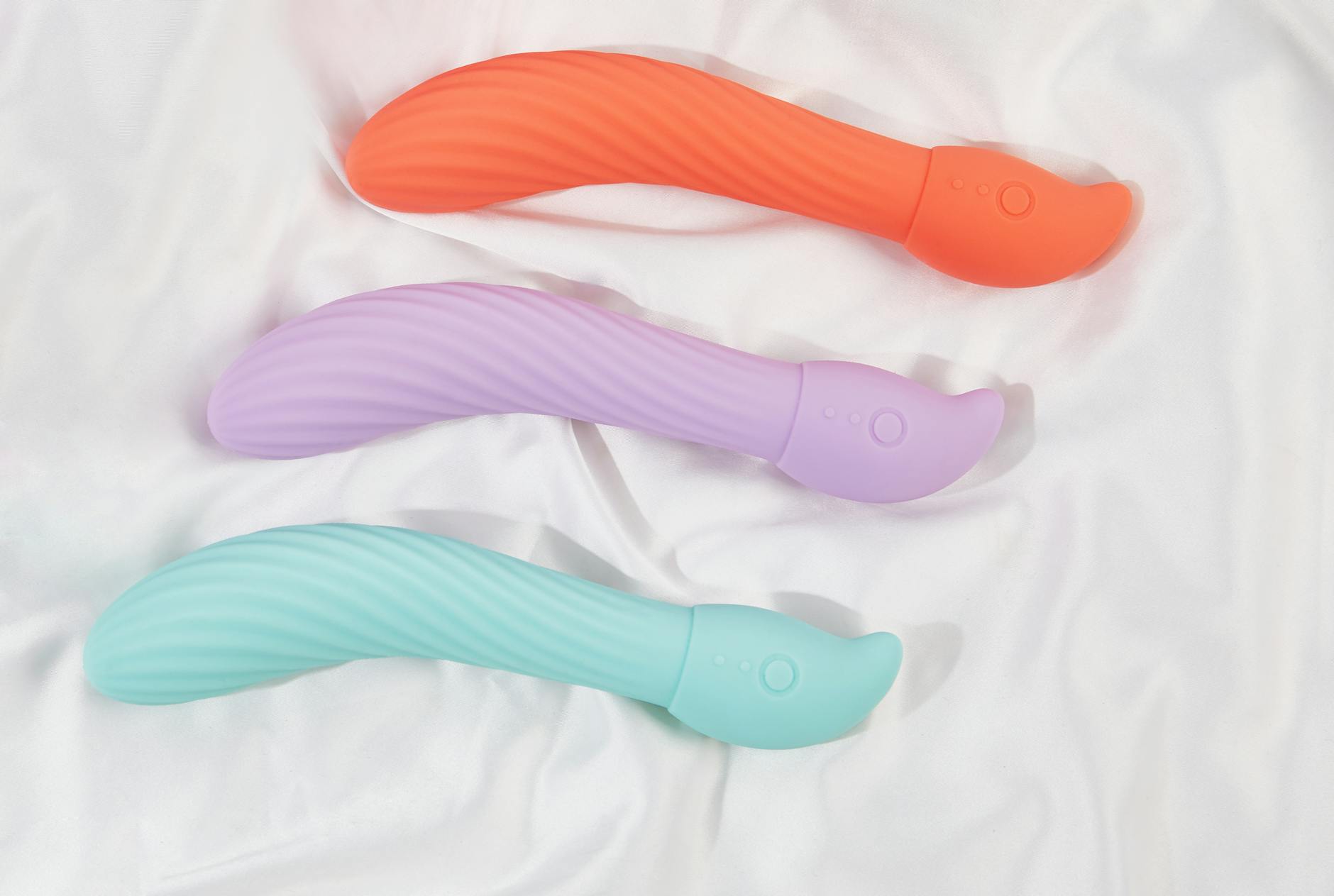
The Lemon clitoral vibrator specifically offers a narrower contact point than traditional vibrators, which means you can engage with pleasure at your own pace without the overwhelming sensation of broader coverage.
The nervous system framework: why pacing matters
Trauma lives in the nervous system. Your vagus nerve, which regulates the "rest and digest" state, often stays hijacked in "fight or flight." Pleasure requires safety signals to reach your brain, and those signals take time to build.
Here's what that means practically: your first session with any device should be about exploration, not climax. Spend 5-10 minutes touching the Lemon without turning it on. Feel the shape, the material, the weight. Let your brain catalog "this is safe" before adding sensation.
When you turn it on, start at the lowest setting. You're not trying to feel good yet. You're gathering information. Does this speed feel okay? Does this rhythm feel predictable? Can you stop it whenever you want? Those are the questions that matter.
Starting small: a stepwise approach
Three principles guide safe exploration:
1. Consent from yourself, every time. Before using a lemon vibrator, check in. Do I want this right now? Am I pressuring myself? There should be zero internal coercion. If the answer is "maybe later," that's a no. Future you will have more capacity.
2. Control the environment first. Trauma survivors often feel unsafe when they're not in control of their surroundings. Lock the door. Put your phone on silent. Know you won't be interrupted. That external safety allows internal nervous system downregulation.
3. Pair it with grounding. Before starting, name five things you can see, four you can touch, three you can hear, two you can smell, one you can taste. This activates your parasympathetic nervous system and keeps you anchored in the present, not in trauma memory.
What to do if you feel triggered
Triggering can happen even with the most careful approach. Your body might suddenly feel unsafe. You might dissociate (feel floaty, disconnected, numb). You might get flooded with memories. None of this means you did something wrong.
Stop immediately. Turn off the device. Remove it from your body. Sit up slowly. Notice where you are. If you're dissociated, cold water on your face helps. If you're in panic, grounding (the five senses exercise above) brings you back. If you're flooded with emotion, that's actually okay. Tears are processing.
Then: don't try again for several days. Your nervous system just learned that this activity led to dysregulation. You need to rebuild the safety signal. Work with a trauma-informed therapist before your next attempt. They can help you understand what triggered you and how to approach it differently.
This isn't failure. This is information.
The role of lubrication and gentle sensation
Trauma often creates physical guardedness. Your pelvic floor tightens. Lubrication decreases. Sensation feels either numb or painfully heightened. A good water-based lubricant solves two problems at once: it reduces friction (which can feel invasive) and it signals to your nervous system that you're caring for yourself.
Apply lube generously before you even touch the device to your body. You want zero friction, zero pressure. This isn't about sex. This is about reclaiming a sense of physical agency.
The lemon sucker design is gentler than traditional vibrators because the suction mechanism doesn't require the same direct pressure. You can enjoy clitoral stimulation without the intensity that sometimes feels overwhelming to healing bodies.
When to involve a partner (and when not to)
If you have a partner, they might want to participate in your healing. That impulse comes from love. But sexual trauma often creates hypervigilance around partners, and adding them to the equation before you've rebuilt solo safety can backfire.
The safest path: reclaim solo pleasure first. Spend weeks or months exploring on your own terms. Once you've built a sense of "my body, my choice, my pleasure," then consider partnered exploration. And when you do, read this guide on how to use lemon vibrators with a partner so you both understand communication and pacing.
FAQ: Your actual questions answered
Can I use a lemon vibrator if I have PTSD related to sex?
Yes, but you need professional support alongside it. A trauma-informed therapist can help you establish a framework where the vibrator is a tool of healing, not re-traumatization. The device itself isn't the therapy. It's a companion to therapy. Without the therapeutic work, you risk triggering yourself repeatedly.
How do I know if I'm ready to try again after a triggering episode?
You're ready when your nervous system feels settled (not forcibly calm, but genuinely regulated), when you can think about the device without panic or dread, and when you want to try again for yourself, not because you think you "should." This can take weeks. That's normal and healthy.
Is dissociation during pleasure always bad?
Sometimes dissociation is a protective mechanism your nervous system uses when sensation becomes overwhelming. If you notice yourself floating away, gently ground yourself and stop. Over time, as your nervous system recalibrates, dissociation during pleasure decreases. If it persists, talk to your therapist.
Can I use a lemon vibrator if I'm on antidepressants or anti-anxiety medication?
Absolutely. Some medications can dull sensation or delay orgasm, but that doesn't mean pleasure isn't available. It might take longer or feel different. That's fine. You're not working toward a goal. You're reconnecting with sensation.
Should I tell my partner I'm using a lemon vibrator for trauma recovery?
That depends on your relationship safety and your own readiness. There's no universal answer. Some survivors find that disclosing builds trust. Others find that privacy is essential to healing. What matters is that you feel safe with your choice. If you're in a relationship where you can't use a device without fear of judgment or punishment, that's information about your safety.
What if I never reach orgasm, even after months of healing?
Orgasm isn't the goal. Connection to your body is. Some survivors take years to rebuild that connection. Some never prioritize orgasm again, and that's a valid choice. The lemon vibrator is a tool for whatever you need it to be: sensation, safety, or simply proof that your body can feel good things again.
The longer conversation
Recovering pleasure after trauma is deeply personal work. It intersects with your nervous system, your relationship history, your current safety, and your own timeline. There's no right way to do this, and there's certainly no timeline you "should" be on.
If you're working with a trauma-informed therapist, they can support your exploration with a lemon vibrator as part of your broader healing. If you're not yet in therapy, that's often the better starting point. When you're ready to add pleasure tools to that work, Hello Nancy is here.
Your pleasure matters. Your safety matters more. Move at the speed of trust, starting with trust in yourself.