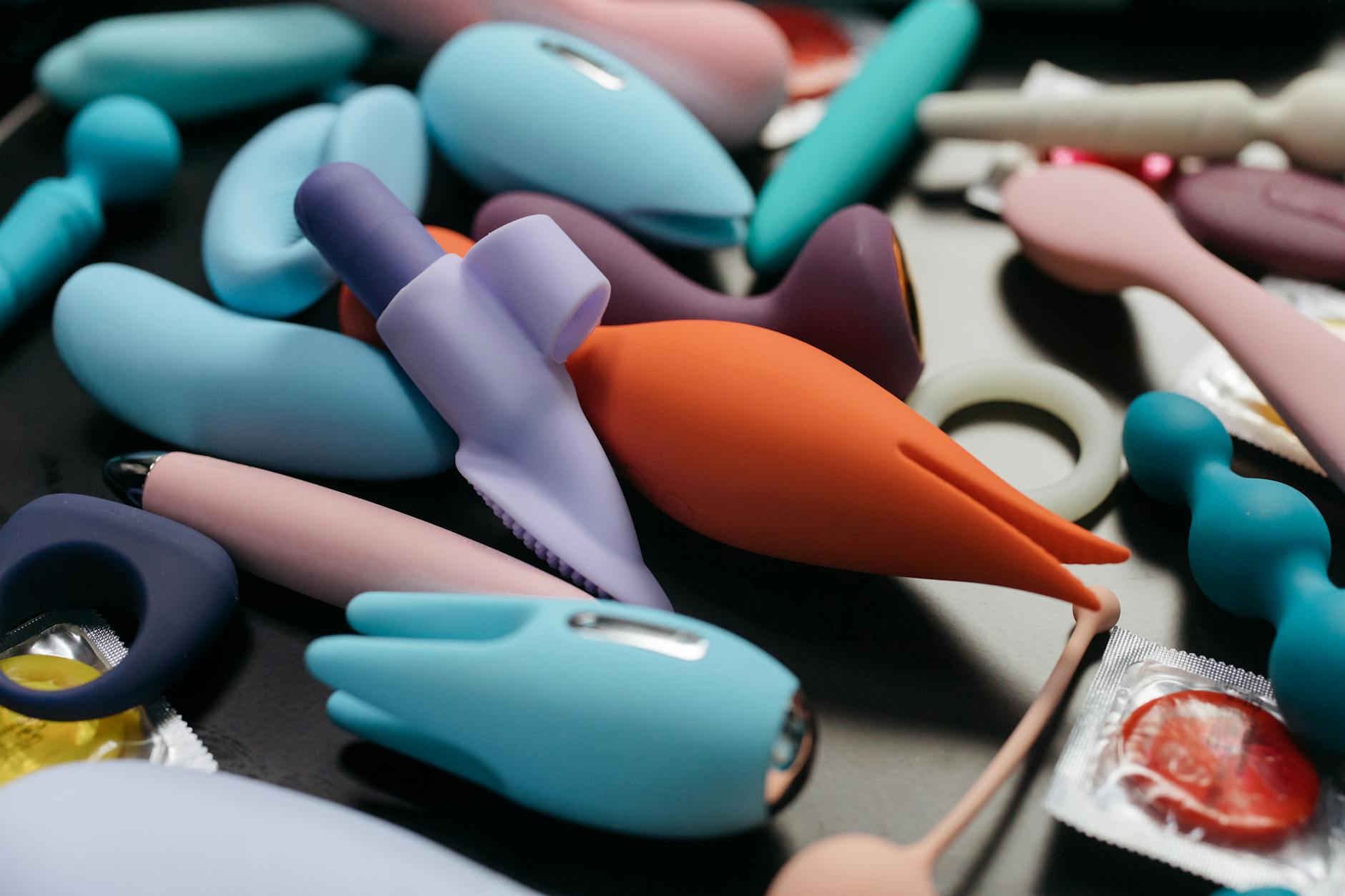
The honest thing nobody tells you
Bringing a lemon vibrator into a new relationship isn't about the toy. It's about whether you can say "I want to try this" without feeling like you're making a demand or confessing something shameful. Most people can't. So they don't. And then months or years in, when the conversation finally happens, it lands differently because now there's history and assumption and hurt feelings wrapped around it.
I'm going to walk you through how to do this cleanly, early, and in a way that actually brings you closer instead of creating friction.
Why the timing matters more than you think
There's a window. It's real.
Early dating (first 2-4 weeks) is too early. You don't know if this person is ready to hear about your pleasure yet. You don't know their relationship history or their shame patterns. You don't owe them that information before you've decided they're staying.
After 6 months, the "why are you telling me this now" question becomes harder to answer gracefully. They wonder why you waited. They wonder what else you've been holding back. It breeds a tiny wedge of suspicion that wasn't there before.
The sweet spot is roughly 2-3 months in. You've had enough sex to build comfort. You've had enough conversations to understand each other's style. But you haven't yet locked into "this is how we do things" as a permanent arrangement.
The conversation works best after good sex, in a moment of relaxed intimacy. Not in the car. Not when you're already undressing. Not during sex itself. Pick a time when you can actually think and respond.
How to say it without it landing wrong
Here's what doesn't work: "I want to use a vibrator during sex." That reads as instruction or criticism, even when you don't mean it that way.
Here's what does work: "I've been thinking about trying something I've read about. It's a clitoral sucker called the Lem. I'm curious whether you'd want to explore it together."
Three things happening in that sentence:
1. You're naming the device. No mystery. No coyness. The Lem is a lemon vibrator that uses suction instead of vibration. That's it. That's the whole thing. Most partners' anxiety drops by half once they understand what the object actually does.
2. You're framing it as collaborative. "Together" matters. You're not saying "I need this to get off." You're saying "I think this could be interesting for us." Different emotional valence entirely.
3. You're expressing curiosity, not demand. "I'm curious whether you'd want to" leaves room for a genuine conversation. It's not "Will you do this for me." It's "What do you think about this."
Then stop talking. Let them respond. Don't fill the silence with justification.
What if they say no?
That's their right. And your choice.
If the answer is "I'm not into that," you have a few options. You can accept it and move on. You can say "Let's revisit this in six months" and actually mean it. Or you can recognize this as meaningful incompatibility and decide the relationship isn't the one.
The worst choice is accepting a no and then using the toy anyway when they're not paying attention. That's betrayal, full stop. It tanks the trust for something that required trust to begin with.
Some partners will soften over time. Some won't. You can't count on change. You can only choose what you need.
How to introduce it physically
Once you've had the conversation and gotten a yes, don't rush into using it. Give them space to get curious on their own first.
You might say: "Want to see what it looks like?" and show them. Let them hold it. Let them feel how light it is. Clitoral suckers like the Lem vibrator look friendlier than traditional vibrators because they're shaped like fruit. That visual ease matters.
Explain what suction feels like in simple terms. "It's not vibrating. It's more like a gentle pulling sensation." Not everyone knows the difference between a lemon clitoral vibrator and other adult toys, and that knowledge changes how they approach the experience.
When you actually use it, don't make it the main event. Incorporate it into foreplay you're already doing. Let them see you enjoying it before they have to do anything. Most partner anxiety comes from "Am I doing this right?" If you're the first one using it, they get to watch and learn.
Start with lower intensities. Why Lemon Vibrators Take Longer to Build Arousal and How to Speed It Up covers this in detail, but the short version is that suction takes a moment to build sensation. Give it that moment.
When they want to use it on you
This is where communication gets even more important, because now it's not just about you discovering pleasure. It's about them learning your body.
Give them direction. "Slower." "A little higher." "Wait, stay there." Most partners actually want this feedback. They're not mind readers, and they'd rather know they're doing it right than guess and get it wrong.
If something doesn't feel good, say so immediately. Clitoral suckers are intense, and what feels amazing one day can feel overwhelming the next depending on where you are in your cycle, how aroused you are, and a hundred other variables. That's not their fault. That's just bodies.
Consider having a signal that means "pause but don't stop what you're doing with your hands." Penetration plus a lemon sucker can be too much sensation for some people. Having a way to dial down the toy without stopping other contact gives you more flexibility.
The conversation that isn't about the toy
Sometimes when you bring in a vibrator, what comes up isn't actually about the vibrator. It's about feeling insufficient. It's about "Does she need this because I'm not enough?" That's a partner insecurity, not a toy problem.
If that comes up, separate the two conversations. "This isn't about you. I orgasm differently with suction than I do with your body alone. That doesn't mean your body isn't good. It means my body is complex." That's true for almost everyone. Pleasure isn't one-dimensional.
If your partner struggles with this, don't fight it by defending the toy. Fight it by reminding them what they are good at. What they make you feel. How much you want them. Then separately, also want the toy. Both things can be true.
What changes after you've done it once
The hardest part is the first time. After that, using lemon vibrators together becomes just another thing you do.
Some couples find that introducing a clitoral sucker actually deepens intimacy because you've had to communicate about desire out loud. You've had to be vulnerable about what you want. That's the real pleasure gain. The vibrator is just the vehicle.
Other couples find that it shifts the dynamic in ways that feel off, and they decide to step back. That's also fine. You tried it. You know.
The key is checking in after. Not in a heavy way. But a few days later, just "How did that feel for you?" That opens the door for them to say whether they actually enjoyed it or whether they did it for you. And it gives you a chance to say whether it felt different with them in the room, with their hands, with their attention.
That's when you start figuring out if this is something you want to do again, tweak, or put aside.
People also ask
Should I tell a new partner I own vibrators before the conversation?
Not necessarily. You don't need to announce your entire pleasure collection on date three. But when you bring up trying something together, owning that decision ("I want to try this because I'm curious") lands better than implying you already have it hidden somewhere. Honesty about the present moment is what matters.
What if my partner wants to watch me use the lemon vibrator alone first?
That's actually a great sign. It means they're interested and curious without pressure. You get to enjoy yourself, they get to see what you like, and the energy is collaborative instead of performative. Go with it.
Can I use a lemon clitoral vibrator if my partner isn't interested?
Absolutely. Your solo pleasure and your partner pleasure are separate things. Using a toy alone doesn't require their permission or interest. Using it during partnered sex requires conversation and consent. Those are different conversations.
Does using lemon vibrators with a partner change how you experience pleasure alone?
Sometimes. Some people find that having used a toy with a partner, solo play feels different because there's a memory attached to it. Others find the opposite. There's no universal experience here. It's individual.
What if we try it and I don't like it?
You say so. "This doesn't feel good to me." That's not failure. That's data. Try a different intensity, a different position, a different timing. Or try a different toy altogether. Or decide that clitoral suckers just aren't your thing. All of those are valid outcomes.
How do I know if my partner actually wants to or is just doing it for me?
You ask. "Are you actually into this, or are you doing this because you think I want it?" Partners will sometimes say they're fine when they're not, especially early on. Give them permission to opt out by checking in directly. And believe them when they say they're not feeling it.
The actual point
Introducing a lemon vibrator to a new partner isn't about the device. It's about building a foundation where you can say what you want without fear. It's about normalizing the fact that pleasure is complicated and personal and that good partners want to explore that with you.
That's the conversation that matters. The toy is just the thing you're talking about while you learn whether this person is actually safe enough to want more of.
Ready to explore? Visit our guide on How to Choose the Right Lemon Vibrator for Your Body Type to find the right clitoral sucker for you. And if you're navigating deeper intimacy questions with your partner, How to Use Lemon Vibrators for Deeper Intimacy Without Losing Sensation breaks down how to build physical and emotional connection at the same time.