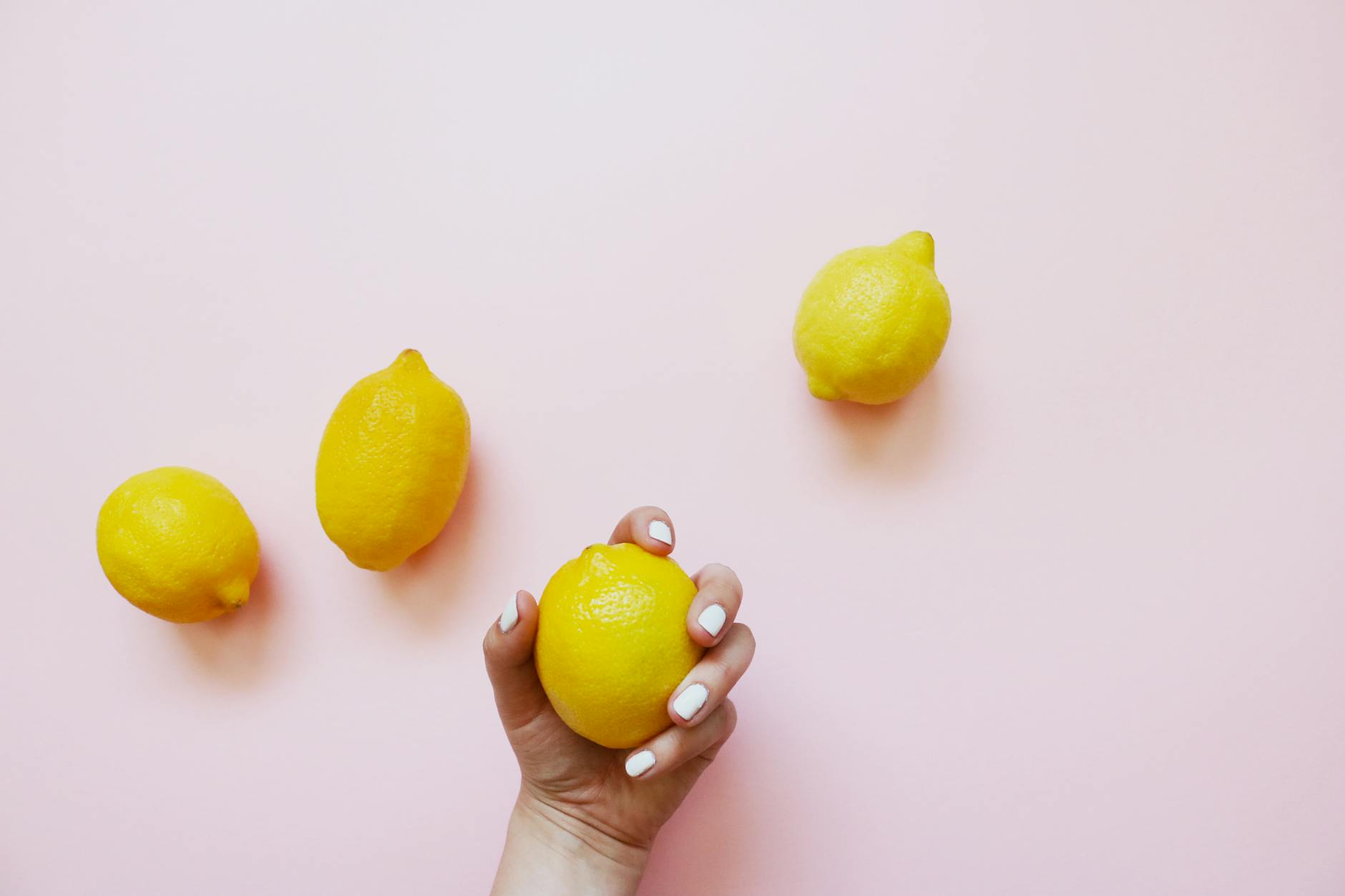
The worst part of anxiety isn't the feeling. It's the feeling about the feeling.
You're using a lemon vibrator. It's supposed to feel good. Your body is technically responding. And then your brain shows up like an uninvited guest, narrating everything: "Is this working? Am I doing this right? Why isn't this as intense as last time? What if I can't finish?" By the time you've thought all that, the moment is dead. Welcome to the pleasure tax of an overthinking mind.
The problem isn't the vibrator. It's not your body. It's the gap between sensation and presence. Here's how to close it.
Why anxiety hijacks arousal (and it's not your fault)
When your nervous system is primed for threat—which is basically what chronic anxiety does—your brain literally deprioritizes pleasure. Arousal requires a relaxed parasympathetic state. Anxiety locks you into sympathetic mode. You can have both at the same time, technically, but they fight each other.
Add in the fact that many of us have been raised to feel guilty about pleasure, to worry about whether we're "doing it right," or to monitor ourselves constantly, and you've got a perfect storm. Your clitoral sucker like the Lem can be perfectly designed, the sensation can be perfect, but if your nervous system is on high alert, your brain is going to keep running commentary.
This is especially common for people who struggle with perfectionism, generalized anxiety, or a history of feeling watched or judged. The monitoring impulse is hardwired.
The single biggest shift: from performance to sensation
Here's what changes everything: stop thinking about whether you're going to orgasm and start noticing what you're actually feeling right now.
Not "I should be more aroused." Not "This usually feels better." Just: what am I feeling in this exact second? Is it warmth? A tingle? A pulse? Something else? Can I feel the pattern of the suction? Can I notice my breath?
This is grounding, and it's not a spiritual thing—it's a neuroscience thing. When you shift from future-focused anxiety to present-focused sensation, you activate your sensory cortex instead of your threat-detection system. You literally change what's happening in your brain.
Start by picking three sensations you'll notice before you even turn on your lemon vibrator. Maybe it's the warmth of your hand, the texture of your sheets, or the weight of your body in the position you're in. Just three. When anxiety thoughts bubble up (and they will), gently come back to one of those three.
Practical setup: making anxiety harder to sustain
Your environment matters more than you think.
Remove the escape route for your mind. Your phone shouldn't be visible. Your laptop shouldn't be in sight. If you're prone to spiraling, even having your to-do list on a nearby surface can pull you out. Clear the visual field. This sounds simple, and it is, but it's also non-negotiable if you're working with anxiety.
Build in a buffer. Don't go from stressed at work to pleasure session in five minutes. Spend fifteen minutes doing something that signals to your nervous system that you're transitioning out of threat mode. A warm shower. A short walk. Tea. Stretching. Something that feels transitional.
Set a time boundary. Anxiety often feeds on "I need this to work and I don't know how long to give it." Instead, decide in advance: I'm giving myself twenty minutes. After that, I'm stopping, and that's completely fine. This removes the pressure to perform. Your brain relaxes a little when it knows there's an exit.
Three breath patterns that interrupt the anxiety spiral
When you feel your thoughts spiraling, your breath is already shallow. Here's what works:
The 4-count method. Breathe in for 4, hold for 4, out for 6. The longer exhale triggers the parasympathetic brake. Do this for about a minute, then return to your sensation practice. Simple and genuinely calming.
Box breathing. In for 4, hold for 4, out for 4, hold for 4. It's structured enough that it gives your anxious brain something to focus on that isn't worry.
Coherence breathing. Breathe in for 5, out for 5. This syncs your nervous system with a rhythm that actually calms it. Stay with this for two to three minutes, then gently return to normal breathing and your sensation focus.
Don't do this while using your lemon clitoral vibrator. Do it before, to settle your system. Then use the vibrator from a more grounded place.
When to stop trying and actually rest
Here's the thing nobody tells you: not every session is going to work. Some days your nervous system just isn't available for pleasure. Maybe you're stressed about work. Maybe you didn't sleep well. Maybe you're ruminating about something.
On those days, trying harder doesn't help. Your brain just gets louder.
Instead, you can practice what I call "pleasure without pressure." Use your Lem or whichever lemon vibrator you have, but with zero expectation of orgasm. Just notice sensation. Give yourself permission that today is about presence, not achievement. Weirdly, this often leads to better outcomes than forcing it. When you remove the pressure, your nervous system relaxes, and pleasure becomes possible.
If you find yourself consistently unable to stay present or enjoy sensation despite these techniques, it's worth talking to a therapist, especially one trained in somatic approaches or EMDR. Sometimes anxiety around pleasure needs professional support, and there's no shame in that.
Building tolerance for pleasure over time
One more thing: if you've spent years not allowing yourself pleasure, or if anxiety has conditioned you to interrupt good feelings, your nervous system might actually be uncomfortable with sustained arousal. It's weird but common. You can retrain this.
Start small. Use your clitoral vibrator for three to five minutes, just focusing on sensation, with zero goal. Stop before you feel any pressure to perform. Do this a few times. Your nervous system learns: pleasure is safe, I don't have to defend against it.
Then gradually extend. Seven minutes. Ten minutes. As your system gets more evidence that pleasure is actually okay, the anxiety often loosens its grip.
You might also find that a slower intensity pattern on your lemon sucker helps you stay grounded. Some people with anxiety find that jumping straight to high intensity actually triggers more spiraling. Starting at pattern 1 or 2 on the Lem, and staying there, can feel more sustainable. You're in control. Your body is responding gently. Less dramatic, more sustainable.
When partner involvement helps (and when it doesn't)
If you have a partner, sometimes knowing they're not watching or judging actually helps the nervous system relax. You might feel safer using your lemon vibrator if they're in another room, or if they know what you're doing but aren't involved.
For some people, though, partner involvement is grounding in the right way. If your partner can be present without monitoring or trying to "fix" things, that closeness can actually help you stay present. But this requires communication. You'd need to tell them something like: "I want you here, but I need you to just be here. Don't watch, don't ask how it's going, just be nearby." That's a specific ask, and it's reasonable.
If you're not sure, start solo. Build your nervous system's tolerance for pleasure on your own terms first.
FAQ: Anxiety and pleasure
Does anxiety medication affect how clitoral vibrators feel?
Depends on the medication. Some SSRIs can reduce sensation or orgasm response. Others don't. If you've noticed a shift since starting medication, it's worth discussing with your prescriber. Don't stop the medication, but do mention it, because sometimes adjusting dose or timing can help. A good doctor takes this seriously.
Can I use a lemon vibrator if I have panic attacks?
Yes, but with planning. Make sure you're in a grounded state before you start. If a panic attack happens during, turn it off immediately and return to your breathing technique. Don't push through. After you've calmed down, you can reflect on what triggered it, but in the moment, priority is getting your nervous system back online. Some people find that having a grounding ritual after a panic attack—holding ice, naming five things you see—helps them feel safe returning to pleasure later.
What's the difference between normal nervousness and anxiety that needs help?
Normal nervousness is temporary, triggered by a specific thing, and manageable. Anxiety is persistent, often not connected to one clear trigger, and interferes with your ability to enjoy things repeatedly. If anxiety is consistently preventing you from enjoying pleasure, or if it's pervasive in other areas of your life, talking to a therapist is worth it. They can help you build skills that transfer to pleasure and beyond.
Is it okay to use alcohol to take the edge off before using a lemon vibrator?
Temptingly easy, not actually helpful long-term. Alcohol might quiet anxiety in the moment, but it also reduces sensation and can make it harder to stay present. Plus, you're teaching your nervous system that it needs a substance to relax, which creates dependency. Better to build skills that work sober, so you actually own the ability to be present.
How long does it usually take to retrain your nervous system around pleasure?
Weeks to a few months, typically. You're literally rewiring pathways. It's not instant. But consistent practice—even just five to ten minutes a few times a week—does create change. Your brain learns that pleasure is safe. That's powerful.
Can mindfulness make things worse if you're anxious?
Yes, actually. For some people, extreme internal focus when already anxious can feel suffocating. If you try the sensation grounding I described and it feels like it's making things tighter, you might need more external grounding instead. Focus on things you can see or hear in the room, music you enjoy, or just distraction that feels good. Not every technique works for every nervous system.
The actual truth about pleasure and anxiety
Anxiety doesn't mean you're broken. It means your nervous system is doing its job really, really well. Maybe too well. But that same system that's trying to protect you can learn that pleasure is safe. It just needs evidence. Repeated, gentle evidence.
Using a lemon vibrator isn't about forcing yourself to feel good. It's about creating conditions where good feelings can actually land. That's the whole game. You're not failing if your mind is noisy. You're succeeding the moment you notice the noise and gently come back to what your body is actually sensing right now.