Here's what nobody tells you about never having an orgasm
About 10-15% of women have never experienced an orgasm. That number jumps higher if you include "orgasms that happen only rarely, inconsistently, or require an exhausting amount of focused effort." It's common. It's also usually fixable. The thing nobody mentions is that the tools matter. A lot.
If you've tried vibrators and they didn't work, you might have concluded that your body doesn't respond to vibration. That's actually not what happened. What happened is you tried the wrong kind of stimulation.
A lemon vibrator—a clitoral suction device—changes the equation entirely. Not because it's a magic wand, but because it works mechanically differently than traditional vibrators.
Why traditional vibration might not be working for you
Most vibrators work by moving back and forth, side to side, or in circles. This is friction-based stimulation. It feels intense. For some people, it feels great immediately. For others, it feels like someone's tapping on a numb spot. You're getting sensation, but not the right kind of sensation.
The clitoris has about 8,000 nerve endings in the glans alone. Not all of them are equally responsive to friction. Some respond better to sustained pressure. Others respond better to rhythmic suction that creates a gentle vacuum seal.
If you've used traditional vibrators and felt nothing, or felt buzzing without any building sensation, you likely have nerve endings that prefer suction over friction. This isn't rare. It's just usually the part of anatomy that sex education skips.
How lemon suction vibrators actually work (the mechanism matters)
A lemon vibrator uses a small motor to create rhythmic suction rather than vibration. The device seals over the clitoris and then rapidly increases and decreases air pressure. This creates a massaging sensation that draws blood to the area while stimulating the clitoris from a different angle than friction does.
Think of it like the difference between rubbing your arm and having someone use a massage cup on it. The sensation is completely different. One is surface-level friction. The other is deeper, more concentrated pressure.
For people who've never orgasmed or who've struggled with traditional vibrators, this difference is often the entire story. The clitoris might be perfectly sensitive. The stimulation just wasn't matching what those nerve endings actually need.
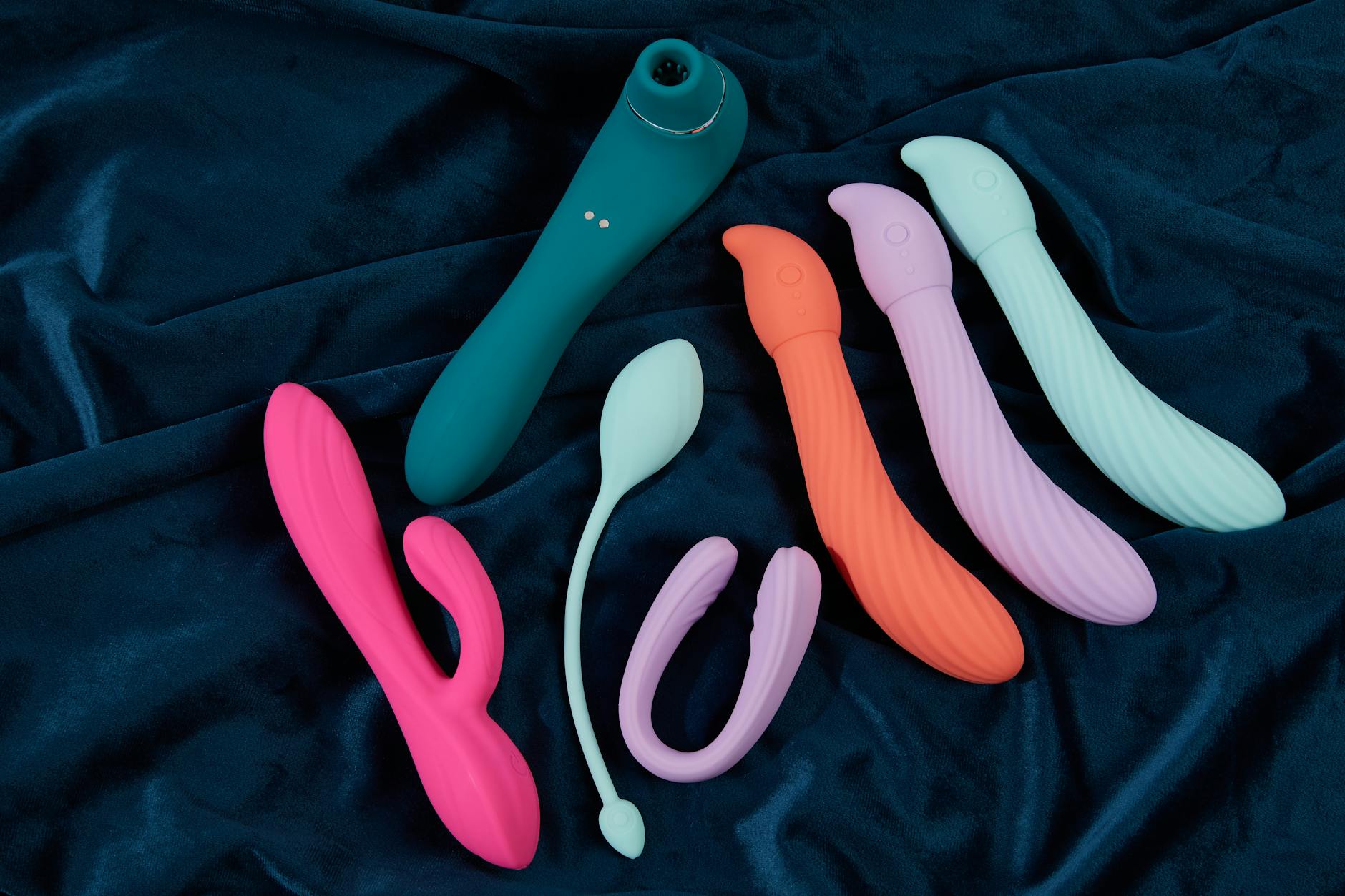
Photo by IFONNX Toys on Pexels
Why lemon clitoral vibrators succeed where other devices fail
Suction-based clitoral vibrators like the Lem work for people who haven't been able to orgasm for a few specific reasons.
First, suction is forgiving. If you're tense, anxious, or numb, suction still works because it's not relying on your clitoris being in a specific state of arousal to feel good. Friction requires the clitoris to be somewhat engorged and responsive. Suction works even when everything feels a bit muted.
Second, the sensation builds differently. Traditional vibration often feels intense immediately. You either like it or you don't. Suction tends to build slowly. Sensation increases gradually over 5-15 minutes. For people with slower arousal responses or who've never felt that building sensation before, this gradual escalation is often what allows an orgasm to develop.
Third, suction doesn't require you to hold the device in exactly the right spot. With traditional vibrators, if you're off by half a centimeter, the sensation can feel completely different. Suction devices have more forgiving positioning because the seal itself guides the stimulation. This means less micro-adjusting, less thinking, and more space for your body to relax into the sensation.
The reality about anorgasmia and what actually helps
If you've never had an orgasm, there are a few things that are usually happening:
You might have a physiological response issue—your clitoris doesn't swell the way it typically does during arousal, or the nerve pathways are slower to activate. A lemon clitoral vibrator often bypasses this because suction works on tissue that's not yet fully engorged.
You might have a positioning problem—you've been stimulating the wrong area, or the angle has never been quite right. With suction devices, the anatomy usually corrects for this automatically because the seal works with the shape of your body rather than requiring perfect positioning.
You might have a psychological block—performance anxiety, trauma, or deeply embedded ideas about what pleasure "should" look like. This is real and it's worth exploring with a therapist. But a lemon vibrator can still help because it depersonalizes the experience. You're not "trying" to orgasm with a partner watching. You're experimenting with a device. The psychological pressure often drops significantly.
You might just have never used the right tool. This is the most common answer, honestly.
How to actually use a lemon vibrator if you've never orgasmed
Start alone. Not because there's shame in this, but because you're learning your body. You need quiet, zero pressure, and the freedom to experiment without thinking about anyone else's experience.
Set aside 20-30 minutes. Not as a deadline, but as a gift to yourself. Rushing doesn't work.
Start with the lowest suction setting. If your device has multiple patterns, begin with a steady rhythm, not pulsing. Pulsing can feel jarring if you're not used to suction.
Wet the seal lightly. A tiny bit of water helps the suction work better and feel smoother. Saliva works. Lube works too, though it can sometimes break the seal.
Place the device over your clitoris and let the suction build slowly. You might feel nothing for the first 30 seconds. This is normal. The sensation grows as blood flows to the area.
Don't chase intensity. Let sensation build at its own pace. The urge to turn it up higher usually means you're chasing the wrong thing. Back off slightly and wait. The sensation underneath usually increases.
If you feel nothing after 10 minutes, it's possible you need a different pattern, a slightly different position, or more arousal first. Try increasing arousal with porn, fantasy, or other stimulation before you bring in the lemon vibrator.
What happens in your body when an orgasm finally arrives
If you've never orgasmed, you might be wondering what to actually expect. The thing everyone gets wrong is that orgasms always look like they do in movies. They don't.
Your first orgasm might be subtle. A release of tension, a few involuntary muscle contractions, a sense of relief. It might not be explosive. It probably won't be. That's fine. Subtlety is still an orgasm.
Or it might hit suddenly. Your body tightens, your breath changes, and for a few seconds something shifts. You'll know it when it happens because there's a distinct before and after.
Or it might be a plateau—a sustained sensation of pressure and pleasure that doesn't have a clear end point. Some bodies work this way. This is also an orgasm.
The point is this: you're not looking for a specific feeling. You're looking for a change. Something that feels distinctly different from the buildup. Once you feel that once, your body learns. The second time is easier. The third time, easier still.
Beyond the first orgasm
Getting to your first orgasm is one goal. Learning to get there reliably is another. Once you've had one with your lemon vibrator, your brain has a map now. You know what leading up to it feels like. You know what speed, what pressure, what rhythm worked.
Future sessions get easier because you're not exploring anymore. You're repeating a successful pattern. Most people find they can get there faster with each experience.
Some people find that after experiencing orgasm with suction, traditional vibration becomes more effective too. Your body has learned what pleasure feels like, and now it responds faster to other forms of stimulation. How lemon vibrators improve orgasm intensity and consistency is worth exploring once you've found your first one.
If you do want to explore with a partner eventually, how to use lemon vibrators with a partner is a whole different conversation worth having beforehand.
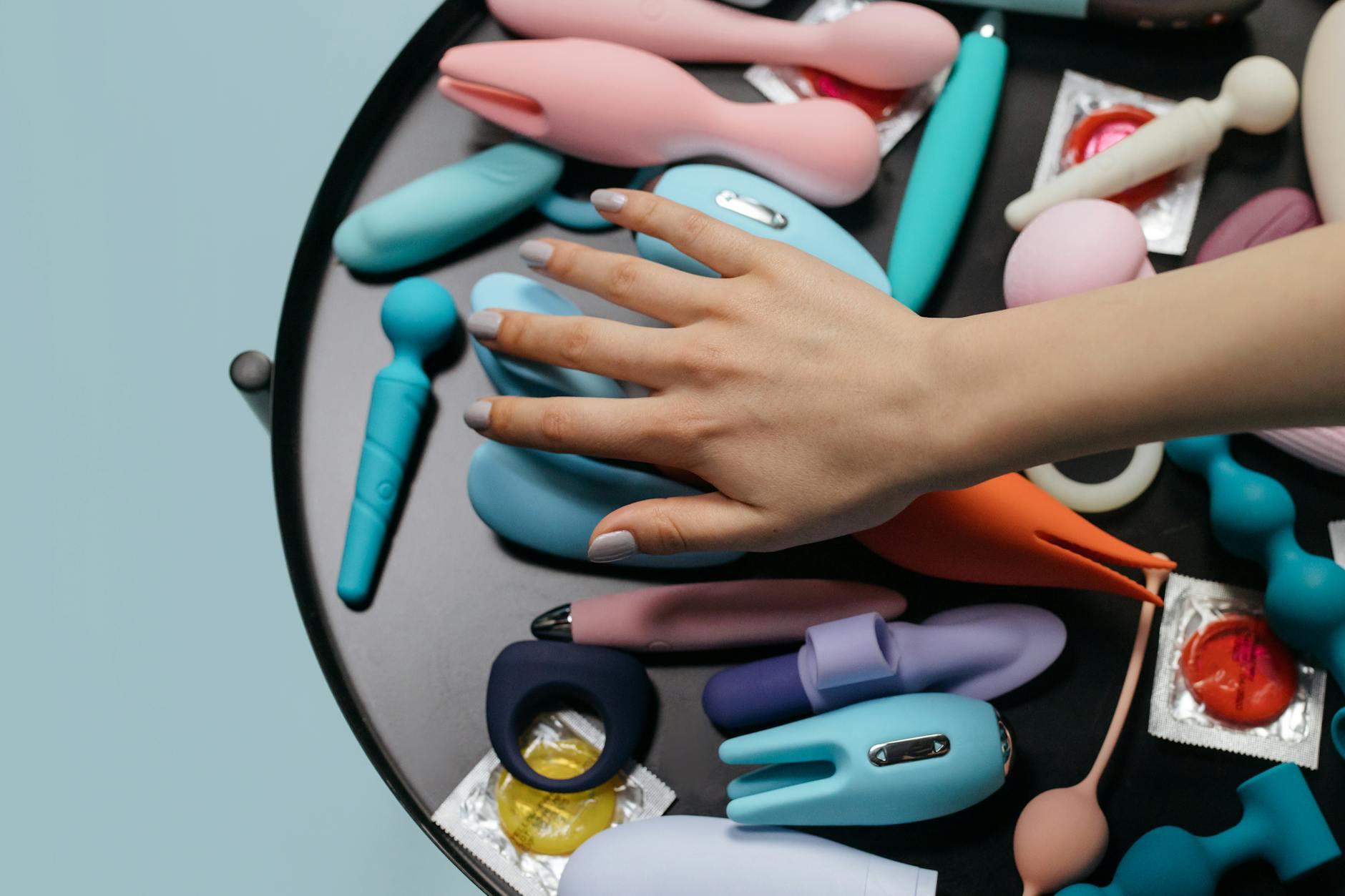
Photo by cottonbro studio on Pexels
When to see someone if it's still not working
If you've tried a lemon vibrator consistently for two weeks and still feel nothing, it's worth checking in with a gynecologist. Not because something's wrong with you, but because there are a few medical reasons why suction might not work, and they're all fixable.
Some medications flatten sexual response. SSRIs are notorious for this. If you're on antidepressants and you've never orgasmed, this might be the reason. That's worth discussing with your prescriber.
Pelvic floor dysfunction can make orgasm difficult. If your pelvic floor muscles are chronically tight, suction might not build sensation effectively. A pelvic floor physical therapist can help with this.
Hormonal imbalances sometimes contribute. Low testosterone or estrogen can slow arousal and make sensation harder to access. A good GP can test for this and discuss options.
Trauma can make your body unresponsive to any kind of sexual stimulation. If you have a history of sexual trauma, working with a therapist who specializes in trauma and sexuality might be the missing piece that lets anything else work.
None of these are dealbreakers. They're all things that professionals can help with.
FAQ: Questions people actually ask about this
What if I feel pain instead of pleasure with a lemon vibrator?
Pain means something's wrong. Stop immediately. Pain can mean the suction is too strong, you're not aroused enough, you have a skin sensitivity, or there's an underlying physical issue. Start with the lowest setting, ensure you're genuinely aroused before using it, and if pain persists, see a gynaecologist. You shouldn't feel pain.
Can I use a lemon clitoral vibrator if I've had sexual trauma?
Maybe, but you might need support. Trauma can make your body flinch away from sensation, even sensation you consciously want. A trauma-informed therapist can help you rebuild trust in your body and determine when and how to explore. A lemon vibrator isn't dangerous, but the emotional experience matters as much as the physical one.
How long does it usually take to have a first orgasm with a lemon vibrator?
It varies wildly. Some people get there in their first session. Others need 5-10 sessions of exploration. Some need longer. There's no right timeline. The people who struggle most are usually the ones setting a deadline and pressuring themselves. Patience genuinely matters here.
Will a lemon vibrator work if I've never felt arousal at all?
It's harder, but it's still possible. If you've never felt desire or arousal, that's something to explore with a healthcare provider first because it can point to hormonal issues or medication side effects. Once those are ruled out, suction can sometimes kickstart sensation even when traditional vibration doesn't. But you might need to add other elements—fantasy, anticipation, a longer warm-up period—before the device itself becomes useful.
Is there a chance it still won't work for me?
Yes. Some bodies respond to suction and some don't. Some people are wired to respond only to specific forms of stimulation that haven't been discovered yet. If you try a quality lemon vibrator consistently and it doesn't work, that doesn't mean you're broken. It means you might need a different approach, a different tool, or professional support to figure out what your body actually needs.
Can I use lube with a lemon vibrator?
Water-based lube works fine. Silicone lube can break the seal. Oil-based lubes can degrade silicone toys. Stick with water-based if you're using it. Some people find that saliva or just a tiny bit of natural lubrication works better than added lube because it preserves the suction seal. Experiment and see what works for your body.
The bottom line
If you've never had an orgasm, it's probably not because your body is broken. It's probably because you haven't found the right match between your body's needs and the tool you're using. A lemon vibrator works differently than traditional vibrators. For a lot of people who've struggled, it's the difference between finally getting somewhere and wondering why nothing works.
There's no shame in needing a specific tool. Your body knows what it needs. Sometimes it just takes the right device to let it show you.