
Let's be honest about the hype
You bought a lemon vibrator. You've read the reviews. You've seen people talk about instant intensity, rapid orgasms, results within seconds. Then you use it and... nothing much happens. Not nothing. Just slower than you expected. Maybe it takes 10 minutes. Maybe 20. Maybe you feel something interesting but not quite the explosion everyone describes.
Your first thought is probably "something's wrong with me." Here's what I see clinically: something's probably right with you. You're just not wired the same way the fastest responders are, and that's actually more common than the hype suggests.
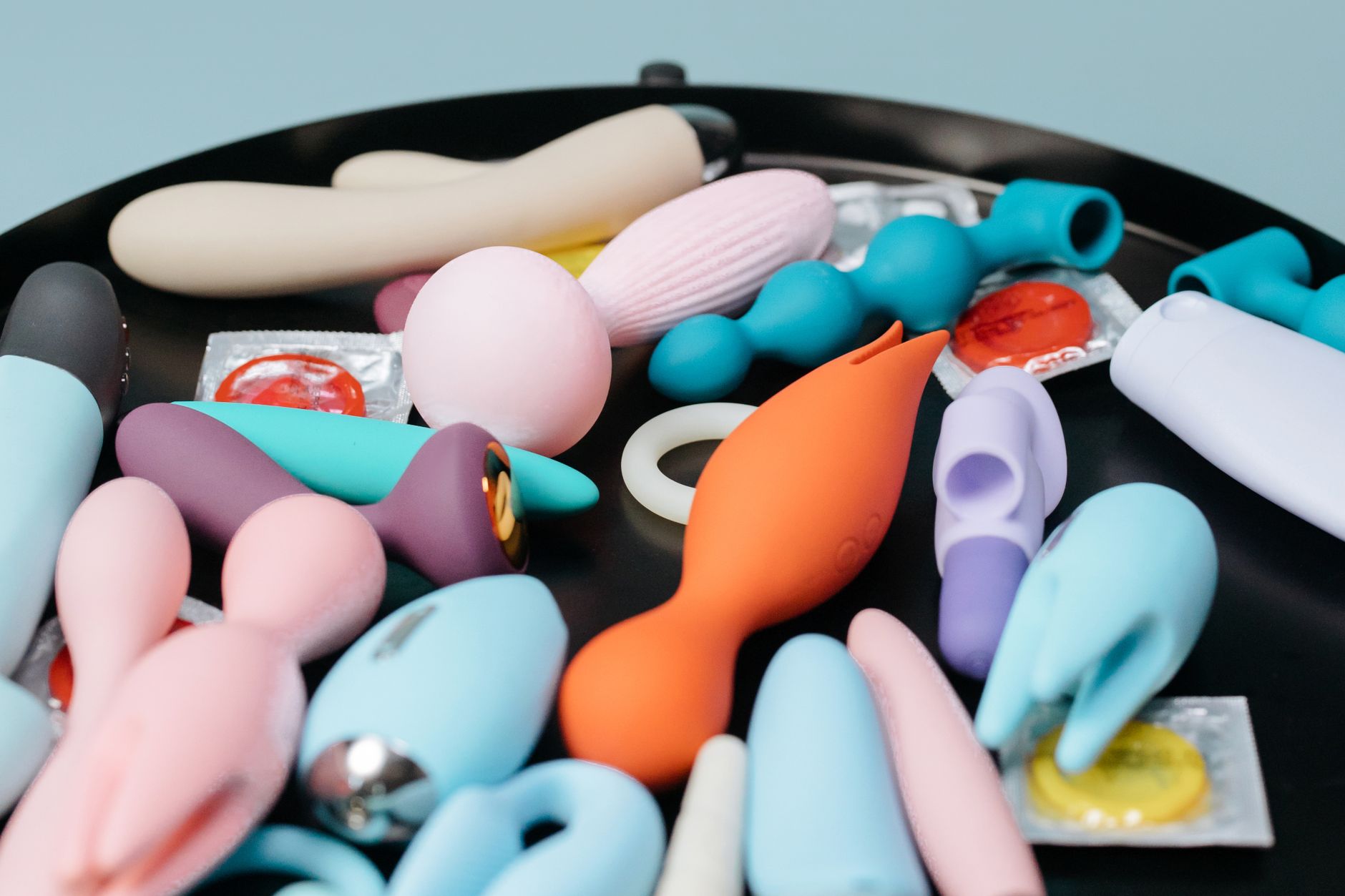 Photo by cottonbro studio on Pexels
The neurology behind slow-build arousal
Your brain doesn't switch on like a light. It ramps up. Different brains have different baseline sensitivity to the pattern and rhythm of a lemon sucker, which is why some people feel instant response and others need genuine warm-up time.
Here's the actual chain reaction. When a lemon vibrator creates sustained suction and pulse against your clitoris, it sends signals through the pudendal nerve to your spinal cord, then up to your brain's sensory cortex. That's the "I feel this" part. But pleasure isn't just sensation. It also involves your brain's reward system, your prefrontal cortex managing attention, and your limbic system processing arousal. For some people, that whole network activates fast. For others, it needs time to coordinate.
This is partly neurological hardware. Clitoral sensitivity varies wildly from person to person based on nerve density, which is genetic. It's also partly your current state. If you're stressed, distracted, or disconnected from your body, your brain literally cannot process pleasure signals as quickly. You can't force this. You can only accommodate it.
What happens when you rush the process
A lot of people feel pressure to orgasm quickly. So they use the highest intensity mode, hope for fast results, and get frustrated when nothing happens. This backfires. Higher intensity, used before your nervous system is actually primed, often produces discomfort instead of pleasure. Your body might feel overstimulated without feeling aroused.
The lemon clitoral vibrator works best when you meet it halfway. That means starting slow, letting sensation build, and staying patient. If you jump to intensity level 6 when your nervous system hasn't reached level 3 yet, you're not going to feel pleasure. You're going to feel buzzing.
People with slower response times often report that when they actually commit to the longer warm-up, their eventual orgasms are deeper and more satisfying than the quick ones they've experienced before. That's not consolation. That's actual neurophysiology.
The role of mental arousal you can't skip
Here's something that separates lemon vibrators from other toys. They work through focused, sustained stimulation. That requires your brain to stay engaged. If you're using it while your mind is running through your email inbox, your grocery list, or whether you locked the door, your brain isn't coordinating arousal. It's just receiving sensation.
For people who naturally move fast, mental arousal and physical sensation synchronize quickly. For people with slower-build arousal, mental focus matters more. You need to actually be present. That means creating space to think about what feels good, what rhythm appeals to you right now, what fantasy or memory might help your brain engage.
This isn't about forcing yourself into a mood. It's about noticing when you're distracted and gently bringing your attention back. Doing this is work, and it takes time. But it's the difference between "I used it for 15 minutes and felt nothing" and "I gave myself real mental permission for 15 minutes and felt something building."
Physical tension and pelvic floor tightness
You probably don't think about your pelvic floor until something goes wrong with it. But it's actively involved in pleasure response. When your pelvic floor is tense, it limits arousal. This is partly about anatomy. A tight pelvic floor narrows blood vessel access to clitoral tissue, reducing engorgement. It also makes sensation feel less pronounced.
Stress, habit, and years of holding tension accumulate in the pelvic floor. Some people naturally carry barely any tension there. Others walk around with their pelvic floor clenched like a fist. If you're in the second group, lemon vibrators will take longer to work because the physical pathways for arousal are literally blocked.
The fix is not complicated but it's not instant either. Learning to consciously relax your pelvic floor takes practice. The best approach is to spend a minute or two before using the vibrator actually releasing that tension. Breathe into your pelvic floor. Let it soften. Then start. You'll notice the difference immediately in how much sensation you can actually feel.
Medication and biochemistry
Some medications suppress arousal response. Birth control, SSRIs, blood pressure meds, and antihistamines can all slow your response to any sexual stimulation, including lemon clitoral vibrators. If you started a new medication and suddenly toys that used to work quickly feel sluggish, that's a real effect, not imagination.
If this is happening to you, talk to your prescriber. Sometimes switching timing (taking it at night instead of morning, for example) helps. Sometimes a different medication in the same class works better for you. And sometimes it's just a trade-off you decide is worth it. But know that it's real and common.
The pleasure payoff of patience
I work with couples and individuals across different response styles. The people with faster arousal sometimes feel pressure to perform. The people with slower arousal sometimes feel broken. Neither is true. Slow-build arousal often means more nuance in your pleasure. You notice more variation in sensation. You're more likely to actually know what works for you rather than just accepting what feels obvious.
When you use a lemon vibrator with realistic expectations about your own timeline, you often discover that those longer sessions lead to more intense release. Your nervous system actually builds momentum instead of spiking and dropping. That's worth the wait.
When to try different modes or intensities
If you've been using intensity level 2 for 20 minutes and nothing's shifting, it's time to experiment. Try level 3 or 4. Try a different pulse pattern if your toy has modes. Sometimes the right stimulation is just one notch higher than what you started with. The key is moving gradually, not jumping to full power.
If you're someone with slower response time, you might find that you need higher intensity than you expected, but you need longer warm-up time first. This is totally normal. Your nervous system isn't less responsive. It just needs more buildup to reach the same threshold.
The partner question
If you're using a lemon clitoral vibrator with a partner, your slower response time can create awkwardness. Your partner expects results on a timeline and gets confused when it doesn't happen. The solution is communication beforehand. "This takes me 15 to 20 minutes with warm-up time. That's not a problem. That's just how my body works." When your partner understands your timeline, they can focus on what actually helps: staying present, maintaining connection, and letting you concentrate.
If you're alone, you have the luxury of zero pressure. Use that. Spend the time you need. Notice what shifts. That information is gold for when you eventually partner with someone.
When slower response is actually worth investigating
There's a difference between "my body takes longer to warm up" and "I haven't felt any pleasure response in weeks despite trying multiple approaches." If you're in the second situation, it might be worth talking to a healthcare provider, especially if this is a change from your baseline. Hormonal shifts, certain health conditions, and some medications can genuinely suppress arousal in ways that patience alone won't fix.
But most people saying lemon vibrators are "not working" are actually just in week one with unrealistic timelines. Give yourself three or four real sessions, each 15 to 20 minutes with actual mental engagement and patience. Then reassess. Most people feel something shifting by session three.
FAQ
How long should I give a lemon clitoral vibrator before deciding it isn't for me?
At least four sessions of genuine 15 to 20 minute use with full focus. You can't judge a lemon vibrator on distracted use or a single quick attempt. Your nervous system needs time to build familiarity with the sensation and pattern.
Can I speed up my response time with practice?
Somewhat, yes. The more consistently you use a lemon sucker with good pelvic floor relaxation and mental engagement, the faster your body learns to recognize and respond to that specific stimulation. But you can't turn a 20 minute response time into a 2 minute one. You can refine efficiency within your baseline.
Is it normal to feel sensation but not pleasure at first?
Completely normal. Sensation and pleasure use different neural pathways. You might feel the vibration clearly but not feel aroused yet. This usually means your mental arousal is lagging. Stay with it. Once your brain catches up, sensation converts to pleasure.
Does slower response mean I have less capacity for orgasm?
No. Slower ramp-up doesn't predict intensity of release. In fact, many people with longer build times report deeper, more full-body responses once they get there. Speed and intensity are separate things.
What if I'm on birth control and my response time changed?
This is real and common. Birth control can affect arousal response. Talk to your prescriber about whether timing of dose or a different formulation might help. In the meantime, give yourself even more time with your lemon vibrator and focus on mental arousal first.
Should I use higher intensity if my response is slow?
Not immediately. Start low, stay focused, and let your nervous system build. Higher intensity too early often creates discomfort. Intensity usually becomes more useful once you're already aroused. Then it can deepen the response you're already building.