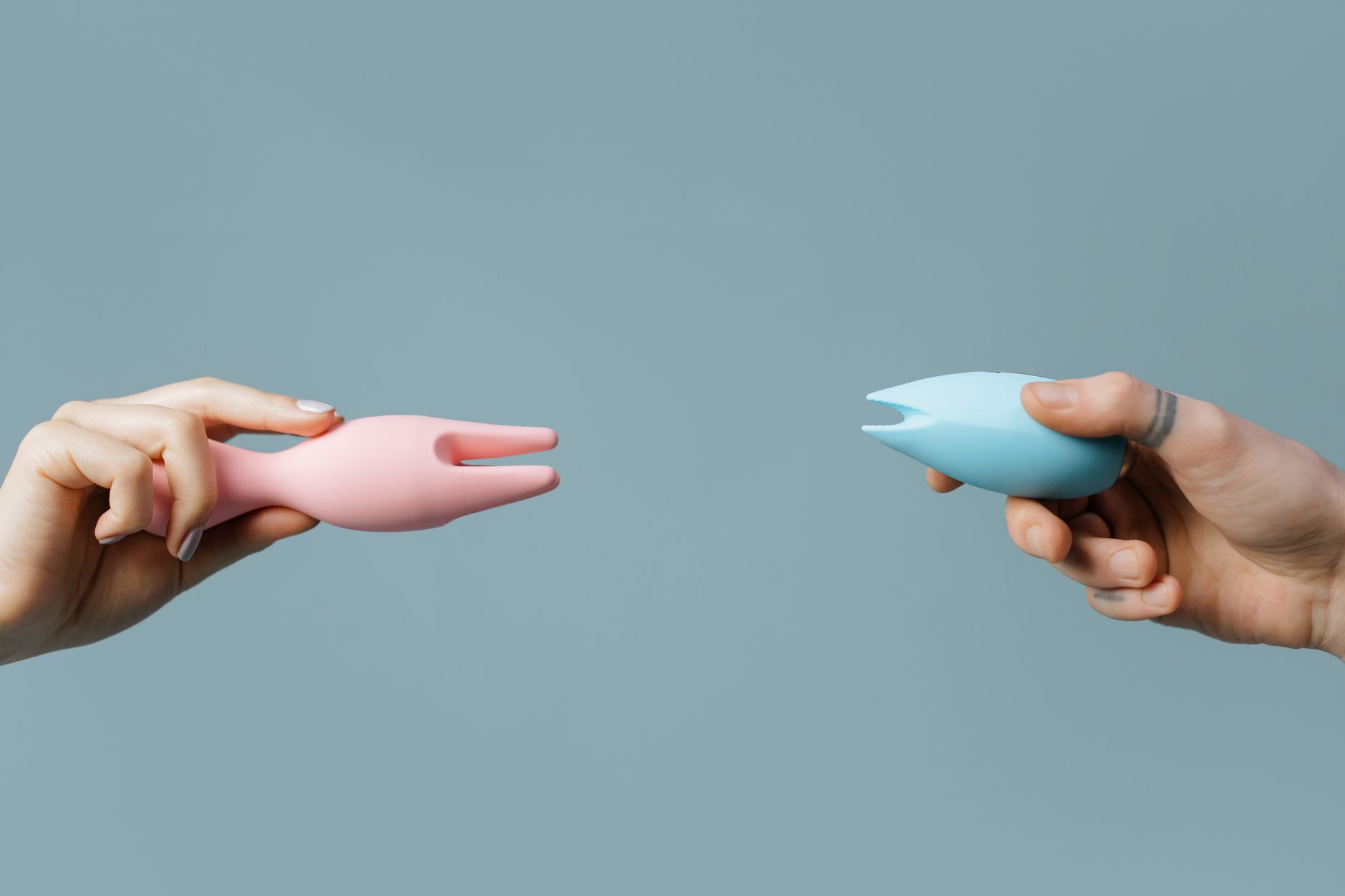
Let's start with what disconnection actually is
Body disconnection is not weakness or a sign something is broken. It's a protective response. When life gets overwhelming, stressful, or painful, your nervous system sometimes decides the smartest thing to do is step back. You might feel numb, absent from your own skin, or like you're watching yourself from outside your body. This happens to a lot of people. It's called dissociation, and it's incredibly common after stress, grief, trauma, or long stretches of anxiety.
The problem is reconnection doesn't happen automatically. Your body needs permission to feel again. And that's where lemon vibrators come in, not as a magic fix but as a tool for rebuilding sensation and trust.
Why standard pleasure tools often fail with disconnection
Here's what I see with clients: they try a vibrator while still in that numb state, and it feels like nothing. Then they blame themselves. "I'm broken." "I can't feel pleasure anymore." Neither of those things is true. You're not broken. Your system is just protecting itself. And if you use a clitoral vibrator when your nervous system is in full shutdown mode, of course it won't register. You're asking your body to feel sensation when it's specifically trained itself not to.
That's why lemon vibrators work differently. The design—the gentle suction, the controlled intensity—creates a completely different sensation pathway than a traditional vibrator. It's less jarring, less demanding. It meets your body where it actually is, not where you wish it would be.
The reconnection framework before you use anything
Three things have to happen first, before you touch a lemon vibrator or any pleasure tool.
Step 1: Name what's actually happening. Not "I'm broken." Instead: "My nervous system is protecting me right now, and that's okay." Sounds simple, but this shift in language rewires how you relate to your body. You're no longer the enemy. Your body is doing its job.
Step 2: Give yourself permission to go slow. Reconnection is not a sprint. If you're numb, it might take weeks of gentle touch before sensation starts returning. That's normal. That's not failure. That's healing.
Step 3: Separate pleasure from performance. When you're disconnected, you might pressure yourself to "feel something." That pressure makes disconnection worse. The goal is not a mind-blowing orgasm. The goal is noticing sensation, any sensation. That's success.
How to actually use a lemon vibrator for reconnection
Start with this sequence. It takes 10 minutes, and you're not aiming for arousal yet.
First touch: Just the vibrator, fully clothed. Hold the lemon vibrator in your hand. Don't turn it on. Notice the weight, the temperature, the texture. This is input without demand. Spend two to three minutes here.
Second touch: Against your thigh, clothed. Place it against your outer thigh and turn it on the lowest pattern. You're not trying to feel aroused. You're just creating a gentle, predictable sensation. Let your nervous system get used to it. Two to three minutes.
Third touch: Inner thigh, same low pattern. Move higher but stay clothed. Your inner thighs are packed with nerve endings but less charged than your genitals. This is where nerve sensation starts to wake up. Two to three minutes.
Fourth touch: Outer labia or vulva area, clothed. Now you're closer, but still with fabric between you and the toy. Three to five minutes. Don't expect fireworks. You're building tolerance.
Fifth touch: Unclothed, if it feels right. This is the first time you're making direct contact. Start at the lowest pattern. One to two minutes. If anything feels good or interesting, great. If it feels like nothing, that's also fine. You've still created sensation input.
When numbness persists through the first week
Some people notice shifts in sensation within a few sessions. Others don't feel anything for two to three weeks. Both are completely normal.
If you're hitting that third week with no shift, try these adjustments. First, vary your timing. Maybe morning feels different than night. Your nervous system responds differently depending on cortisol levels, sleep, and stress. Second, add context. Light a candle, play music, do something that signals to your brain this time is for you. Ritual matters. Third, reduce pressure. If you're "trying" to feel something, stop trying. Just use the toy and let your attention wander. Your body senses intention, and "I must feel this" is a form of control.
If disconnection is tied to trauma or significant grief, a therapist trained in somatic work (body-based therapy) is worth considering alongside any pleasure tool. Lemon vibrators are brilliant, but they're not a replacement for processing what caused the numbness in the first place.
The pleasure that comes after reconnection
One thing I want to be clear about: reconnection doesn't mean your pleasure looks the way it did before, or the way you think it should. For some people, sensation returns exactly as it was. For others, pleasure feels different. Maybe less intense. Maybe more localized. Maybe slower to build. All of that is fine.
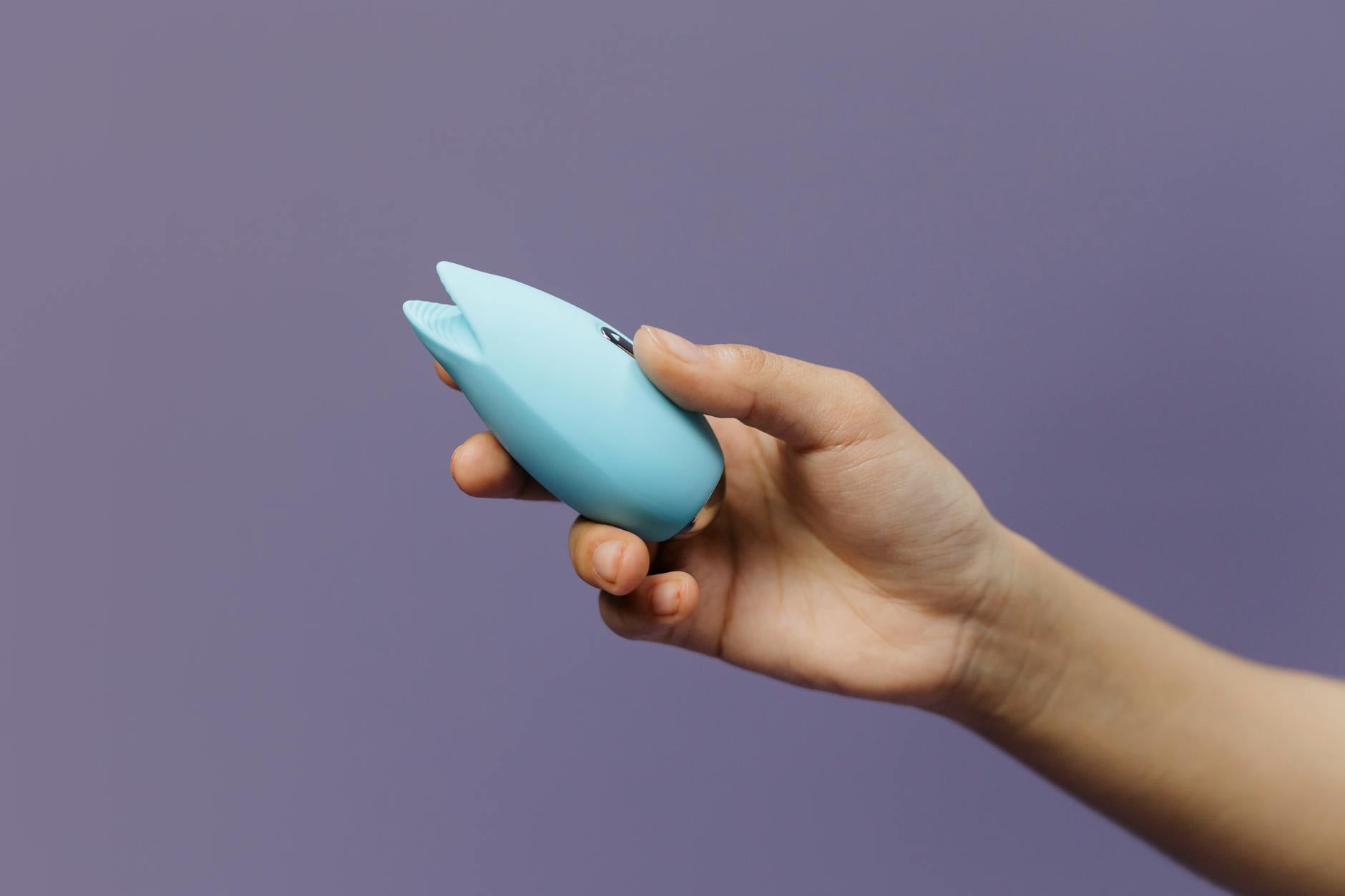
Photo by cottonbro studio on Pexels
Once you've rebuilt baseline sensation, you can experiment with higher patterns on your lemon vibrator, different placements, or longer sessions. But the magic is already in the rebuilding itself. Many of my clients tell me the most profound moment isn't the orgasm. It's the first time they feel their own touch as something that belongs to them again.
The emotional side of reconnection
Here's something that surprises people: using a vibrator while reconnecting to your body can bring up emotions. You might feel sad, or angry, or suddenly very tender toward yourself. That's not a sign something is wrong. That's your body processing. Let it happen. Cry if you need to. Pause if you need to. Your nervous system is literally learning that sensation is safe again, and that process isn't always comfortable.
If your disconnection happened in the context of a relationship, this is also a good time to have a conversation with your partner about what you're working through. You don't need to share all the details. Something simple like "I'm rebuilding my relationship with my own body right now, and I'm going to need some space and patience" goes a long way.
When to involve your doctor
Some forms of disconnection are physical. Hormonal changes, medication side effects, or neurological conditions can all create numbness or dissociation. If reconnection isn't happening after three to four weeks of consistent, gentle practice, check in with your GP. They can rule out thyroid issues, medication interactions, or other medical factors.
Similarly, if disconnection appeared suddenly or is paired with other symptoms (depression, intrusive thoughts, panic), talking to a therapist isn't optional. It's essential. Your body is trying to tell you something needs attention.
The truth about reconnection
Reconnecting to your body is not linear. You might have a day where sensation feels vivid and alive, then two days where you're numb again. That's not backsliding. That's your nervous system recalibrating. Keep showing up with the same gentle approach. Keep using your lemon vibrator without judgment. Trust that sensation returns. It might not look the way you expect, but it comes back.
Your body isn't punishing you by going numb. It's protecting you. And when you treat it with that understanding, reconnection becomes less about forcing pleasure and more about rebuilding trust. That's when the real transformation happens.
FAQ
How long does it take to feel sensation again after disconnection?
There's no universal timeline. Some people notice shifts within a week. Others need three to four weeks of consistent, gentle practice. It depends on how long you've been disconnected, what caused the disconnection, and how much nervous system activation your daily life includes. If you're under high stress or dealing with unprocessed trauma, reconnection naturally takes longer. That's not failure. That's your system being honest about what it needs.
Can I use a lemon vibrator if I'm on antidepressants or anti-anxiety medication?
Absolutely. Some medications do affect sensation and arousal as a side effect, but that doesn't mean vibrators won't help. In fact, they often help people on SSRIs or SNRIs rebuild sensation more deliberately than they might otherwise. If your medication is affecting arousal, your doctor might adjust timing or dosage. Talk to them. But using a lemon vibrator alongside medication is completely safe.
What if using the vibrator makes my disconnection worse?
Stop. Rest for a few days. This sometimes happens when someone with significant dissociation tries to force sensation. Your nervous system might interpret the vibrator as another form of stimulation it needs to protect against. Go back to basics: touch yourself without the toy. Warm baths. Gentle massage. Let sensation rebuild without any tools. Then try a lemon vibrator again in a week or two, starting at the absolute lowest pattern, fully clothed.
Is it normal to feel emotional or sad during reconnection sessions?
Very normal. Your body is processing the fact that it's safe to feel again. Sometimes that comes with grief for the time you spent numb. Sometimes it brings up memories or emotions that were stored in your tissue. Cry. Pause. Breathe. All of that is part of the process. If emotions become overwhelming, reach out to a therapist who specializes in somatic work.
Can I use a lemon vibrator during dissociation, or should I wait until I feel more present?
You can use it during mild dissociation as a way to anchor yourself into your body. The sensation of the vibrator can act as a grounding tool. But if you're in a state of severe dissociation (feeling like you're watching yourself from outside your body, difficulty moving or speaking), wait until you've grounded yourself first. Use grounding techniques like the 5-4-3-2-1 sensory method, then come back to the vibrator. The goal is using sensation to reconnect, not to add more stimulation when you're already flooded.
What if reconnection happens but pleasure still feels distant?
That's a sign to involve other pieces of the puzzle. Work with a somatic therapist or someone trained in trauma-informed sexuality. Sometimes disconnection from pleasure isn't about numbness. It's about safety, self-worth, or relationship dynamics. A lemon vibrator can coexist with that deeper work, but it's not a replacement for it. Check out how to use lemon vibrators when pleasure feels disconnected from intimacy for more on that intersection.
Moving forward
Reconnecting to your body is one of the most radical acts of self-care you can do. It says: I matter. My sensation matters. My pleasure matters. And that starts with gentleness, consistency, and a tool like a lemon vibrator that meets you where you are, not where you think you should be. Your body is waiting to feel again. Give it time, patience, and the space to come back home.
Ready to explore reconnection more deeply? Reach out to chat about what's right for you.